Fifth Amendment
Topic PolicyThe Fifth Amendment protects individuals from self-incrimination and is currently relevant in legal and political contexts.
Total Coverage:3 articles
Last 7 Days:0
Topic Overview
The Fifth Amendment to the U.S. Constitution is a fundamental legal protection that safeguards individuals from being compelled to testify against themselves in criminal proceedings. This right against self-incrimination has recently gained prominence in public discourse. Notably, Dr. Anthony Fauci, a leading figure during the COVID-19 pandemic, invoked the Fifth Amendment during a U.S. Senate hearing. Republicans questioned him regarding the origins of the virus and his handling of the pandemic, leading to his refusal to answer certain questions. This action highlights the amendment's role in high-profile investigations and political hearings. Furthermore, the Fifth Amendment was referenced in a Supreme Court case concerning immigration policy, where it was discussed in relation to equal protection rights. The ongoing relevance of the Fifth Amendment underscores its critical function in balancing governmental authority with individual liberties in contemporary legal and political arenas.
Last updated: August 30, 2026
Coverage Timeline
Trump cannot deport students for criticizing Israel, judge rules

Media groups sue Trump over paid access to public social media posts
Lawsuit seeks to ban Trump Media from charging for early access to president’s posts on US policy
Fauci’s decision to invoke the Fifth Amendment tees up a legal debate and a contempt vote

Fauci’s refusals put spotlight on ‘pleading the Fifth’ right in US

Why did Anthony Fauci invoke the Fifth Amendment? Senate hearing explained

Fauci invokes Fifth Amendment in heated COVID-19 Senate hearing
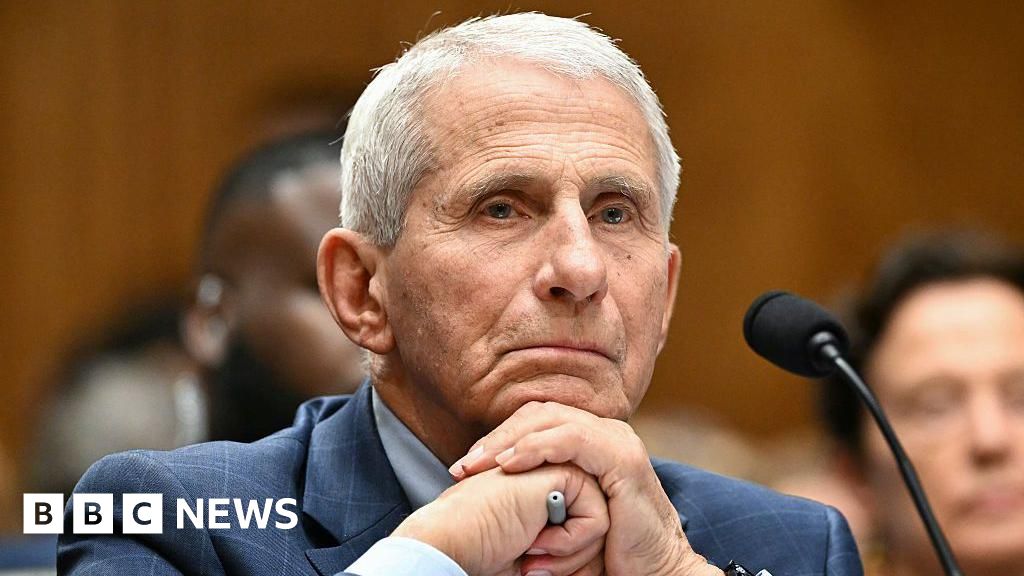
Anthony Fauci refuses to answer questions during US Senate hearing about Covid origins