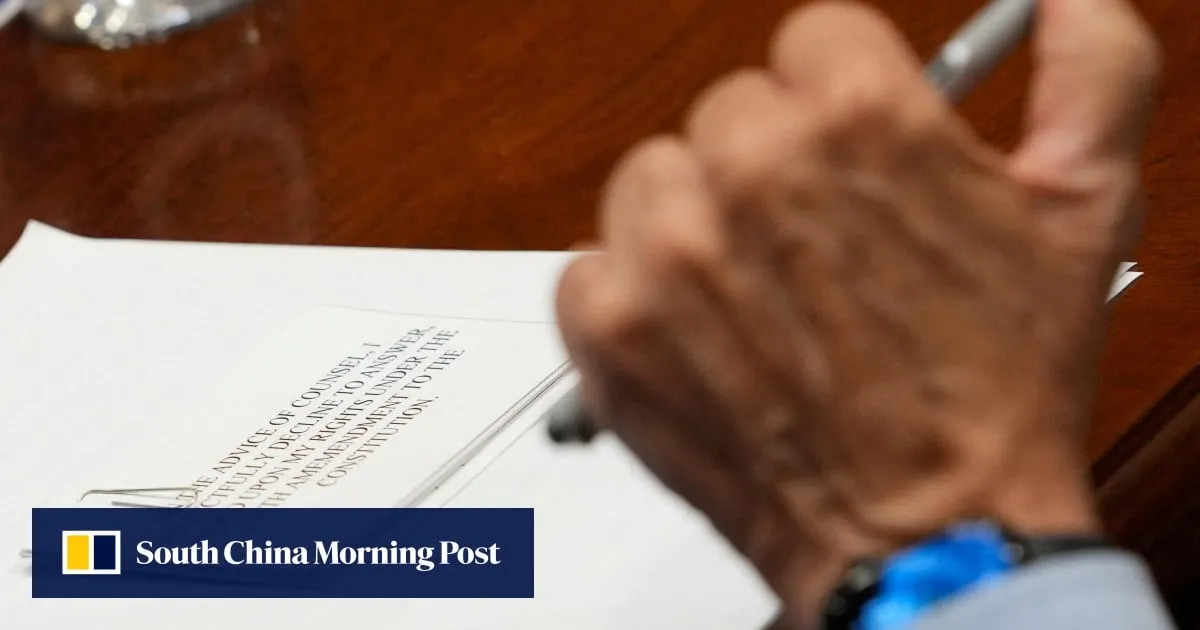
It was important enough to the framers of the US Constitution to be included in the first 10 amendments known as the Bill of Rights – that no person “shall be compelled in any criminal case to be a witness against himself”.Today, that protection – famously known as “pleading the Fifth” – remains one of the most visible and politically charged safeguards in American law.It has seeped into the culture, too. “Pleading the Fifth” has become an idiom in the United States, used jokingly in casual conversation as a way to get out of answering a possibly uncomfortable question.
SRCSouth China Morning Post
LANGEN
LEANCenter-Right
WORDS99
ENT5
THU · 2026-07-30 · 04:51 GMTBRIEF NSR-2026-0730-97388
NSR-2026-0730-97388News Report·EN·Legal & Judicial
Fauci’s refusals put spotlight on ‘pleading the Fifth’ right in US
The Fifth Amendment of the U.S. Constitution, also known as "pleading the Fifth," protects individuals from being compelled to testify against themselves in criminal cases.
Associated PressSouth China Morning PostFiled 2026-07-30 · 04:51 GMTLean · Center-RightRead · 1 min
South China Morning PostFIG 01
Reading time
1min
Word count
99words
Sources cited
0cited
Entities identified
5entities
Quality score
100%
§ 01
Briefing Summary
AI-generatedNEWSAR · AI
The Fifth Amendment of the U.S. Constitution, also known as "pleading the Fifth," protects individuals from being compelled to testify against themselves in criminal cases. This fundamental right, enshrined in the Bill of Rights, remains a prominent and politically significant safeguard in American law. Its influence extends into popular culture, where "pleading the Fifth" is commonly used as an idiom to avoid answering uncomfortable questions. The article highlights the constitutional basis and cultural relevance of this protection.
Confidence 0.85Claims 4Entities 5
§ 02
Article analysis
Model · rule-basedFraming
Legal & Judicial
Political Strategy
Tone
Measured
AI-assessed
CalmNeutralAlarmist
Factuality
0.70 / 1.00
Factual
LowHigh
Sources cited
0
No named sources
FewMany
§ 03
Key claims
4 extracted01
'Pleading the Fifth' has become an idiom in the United States used in casual conversation.
factual
Confidence
1.00
02
The protection against self-incrimination is famously known as 'pleading the Fifth'.
factual
Confidence
1.00
03
The Fifth Amendment protects individuals from being compelled to be a witness against themselves in criminal cases.
factual
Confidence
1.00
04
Fauci's refusals put a spotlight on the 'pleading the Fifth' right.
factual
Confidence
0.90
§ 04
Full report
1 min read · 99 words§ 05
Entities
5 identifiedKey playerOppositionContextPositiveNeutralNegative
Organizations1
Locations1
§ 06
Keywords & salience
8 termspleading the fifth
1.00
fifth amendment
0.90
bill of rights
0.80
us constitution
0.70
legal protection
0.60
criminal case
0.50
fauci
0.40
american law
0.40
§ 07
Topic connections
Interactive graph Network visualization showing 4 related topics
View Full Graph Person Organization Location Event|Click node to navigate|Edge numbers = shared articles