FI
foreign direct investment
Topic EconomicFDI involves cross-border investments in businesses, crucial for economic growth and influenced by global economic shifts.
Total Coverage:2 articles
Last 7 Days:0
Topic Overview
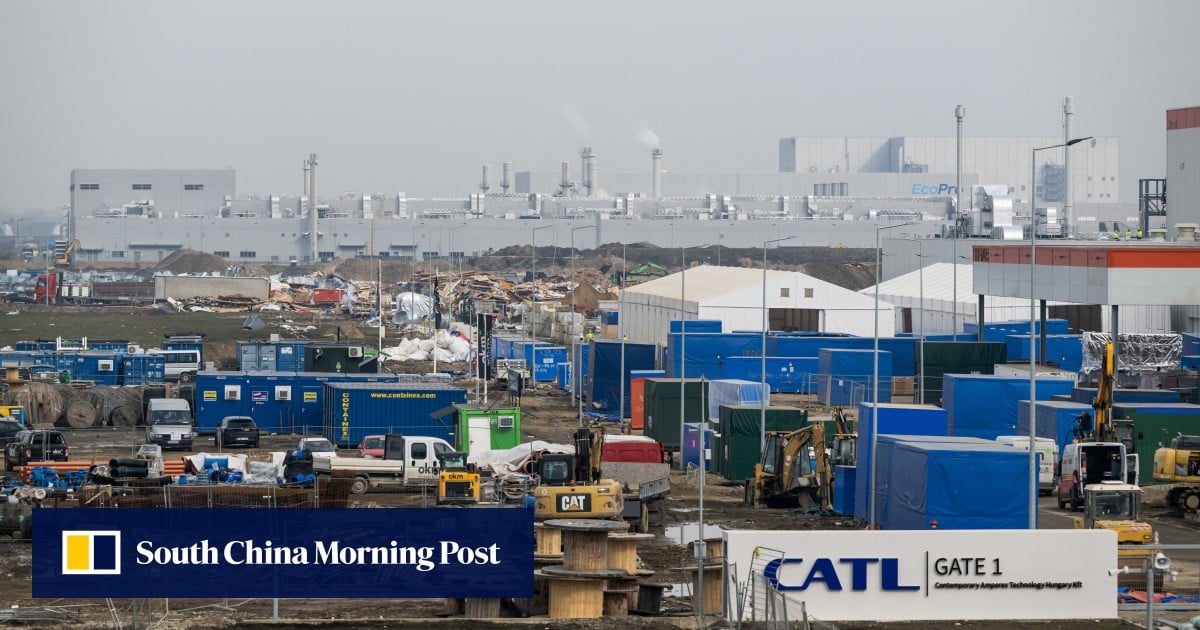
Foreign Direct Investment (FDI) refers to investments made by a company or individual from one country into business interests located in another country. This can include establishing new operations or acquiring business interests, including controlling interest, in an existing company. Recent news highlights a complex global FDI landscape. In India, a slowdown in net FDI and an exodus of foreign portfolio investors are noted, contrasting with past booms, as domestic billionaires look to acquire foreign companies amidst domestic growth challenges. Conversely, Chinese investment in Europe has reached a seven-year high, fueled by mergers and acquisitions and greenfield projects, despite ongoing trade tensions. This surge in FDI is noteworthy as it occurs against a backdrop of shifting economic conditions, including domestic growth slowdowns and international trade friction. The current relevance of FDI is significant, as it remains a key indicator of international economic confidence and a driver of capital flow, job creation, and technological transfer, though its trajectory can be influenced by geopolitical events and domestic economic policies.
Last updated: September 11, 2026