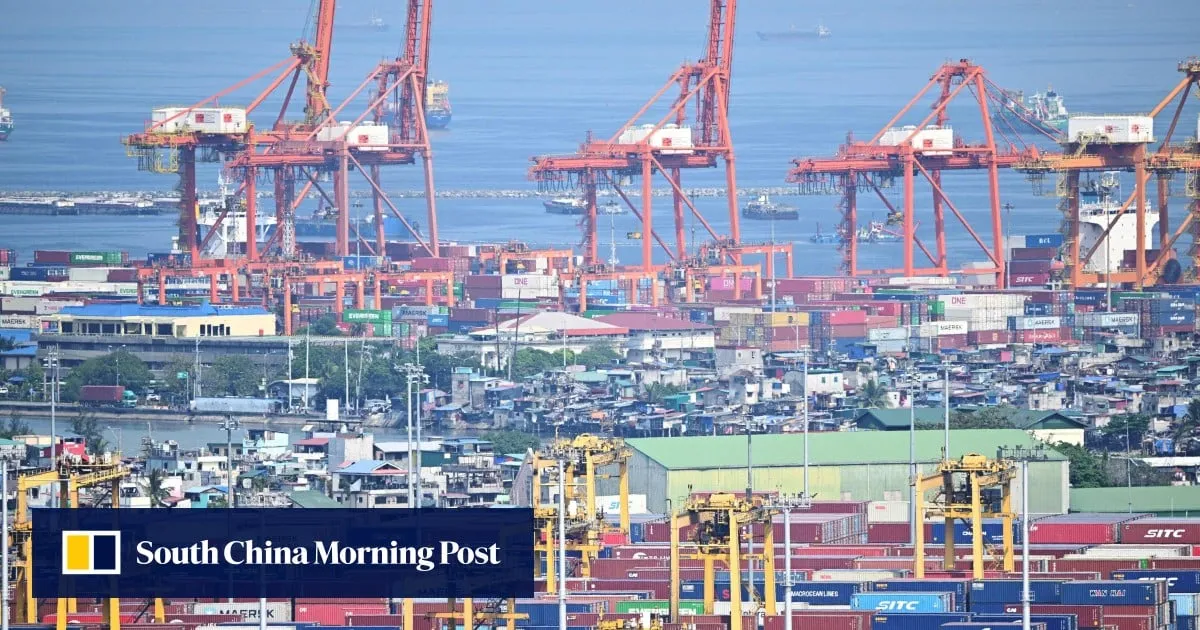
Not so long ago, the Philippines was bedevilled by warning signs to investors, from its corruption to its groaning infrastructure and a fuel crisis born of a war fought thousands of miles away.Those problems have not simply disappeared, but a flurry of business-friendly reforms – paired with ambitious plans to upgrade the nation’s railways, ports and power grid – now puts it in a stronger position to capture some of the billions of dollars seeking a home outside the region’s recent supply chain winners, such as Vietnam and Malaysia.With companies still fleeing Washington’s tariff war on China, Philippine President Ferdinand Marcos Jnr’s government has pushed through new laws on tax, governance and extended land leasing to entice global capital seeking a safe harbour in troubled times.
SRCSouth China Morning Post
LANGEN
LEANCenter-Right
WORDS126
ENT8
SAT · 2026-07-18 · 07:00 GMTBRIEF NSR-2026-0718-93965
NSR-2026-0718-93965Analysis·EN·Economic Impact
Can Philippines turn reforms into gains in Southeast Asia’s FDI race?
The Philippines is implementing business-friendly reforms and infrastructure upgrades to attract foreign direct investment (FDI) amidst global supply chain shifts. President Ferdinand Marcos Jr.'s government has introduced new laws concerning tax, governance, and land leasing to entice companies seeking alternatives to China due to trade tensions.
Sam BeltranSouth China Morning PostFiled 2026-07-18 · 07:00 GMTLean · Center-RightRead · 1 min
South China Morning PostFIG 01
Reading time
1min
Word count
126words
Sources cited
0cited
Entities identified
8entities
Quality score
100%
§ 01
Briefing Summary
AI-generatedNEWSAR · AI
The Philippines is implementing business-friendly reforms and infrastructure upgrades to attract foreign direct investment (FDI) amidst global supply chain shifts. President Ferdinand Marcos Jr.'s government has introduced new laws concerning tax, governance, and land leasing to entice companies seeking alternatives to China due to trade tensions. While challenges like corruption and infrastructure deficits persist, these initiatives aim to position the Philippines to compete for billions of dollars in investment, following the success of countries like Vietnam and Malaysia. The reforms are designed to create a more attractive investment climate in the region.
Confidence 0.85Claims 4Entities 8
§ 02
Article analysis
Model · rule-basedFraming
Economic Impact
Political Strategy
Tone
Measured
AI-assessed
CalmNeutralAlarmist
Factuality
0.60 / 1.00
Mixed
LowHigh
Sources cited
0
No named sources
FewMany
§ 03
Key claims
4 extracted01
The Philippine government has passed new laws on tax, governance, and land leasing to attract foreign capital.
factual
Confidence
0.90
02
The Philippines has implemented business-friendly reforms and plans to upgrade infrastructure to attract foreign direct investment.
factual
Confidence
0.90
03
Vietnam and Malaysia have recently been successful in attracting foreign direct investment.
factual
Confidence
0.80
04
Companies are seeking to move investments out of China due to the US-China trade war.
factual
Confidence
0.80
§ 04
Full report
1 min read · 126 words§ 05
Entities
8 identifiedKey playerOppositionContextPositiveNeutralNegative
Locations4
§ 06
Keywords & salience
10 termsfdi race
1.00
business-friendly reforms
0.90
global capital
0.80
infrastructure upgrade
0.70
supply chain
0.60
tariff war
0.50
tax
0.40
governance
0.40
land leasing
0.40
philippines
0.40
§ 07
Topic connections
Interactive graph Network visualization showing 51 related topics
View Full Graph Person Organization Location Event|Click node to navigate|Edge numbers = shared articles