GP
global energy prices
Topic EconomicIran-Oman Hormuz deal and US strikes impact global energy flow and prices.
Total Coverage:2 articles
Last 7 Days:1
Velocity:-50.0%
Topic Overview
Recent developments concerning the Strait of Hormuz, a critical chokepoint for global energy trade, are impacting potential energy prices. Iran and Oman have reportedly reached an agreement regarding control and revenue sharing of the strait, which handles a significant portion of global oil and liquefied natural gas (LNG) shipments. However, the reopening of the waterway is contingent on US compliance with unspecified conditions. Simultaneously, the US military has conducted new strikes against targets within Iran, including a ground control station near Bandar Abbas, and shot down Iranian drones in the vicinity of the Strait of Hormuz. These actions underscore the ongoing geopolitical tensions in the region. The Strait of Hormuz's stability is paramount for the uninterrupted flow of energy resources, and any disruption or perceived threat can lead to increased volatility and higher prices in the global energy markets. The interplay between diplomatic agreements and military actions in this strategic waterway remains a key factor influencing current energy price dynamics.
Last updated: September 29, 2026
Coverage Timeline

Trump faces growing backlash over plans to import diesel from Russia

Trump says Ukraine and Russia agree to ‘energy ceasefire’

G7 to release 100 million barrels of oil and diesel, will it curb prices?

US to allow Iran delegation to attend UN meetings in New York as war passes half-year mark

UK pay growth slows to 3.9% before crunch interest rates decision

US Vice President JD Vance declines to offer timeline for end of Iran war
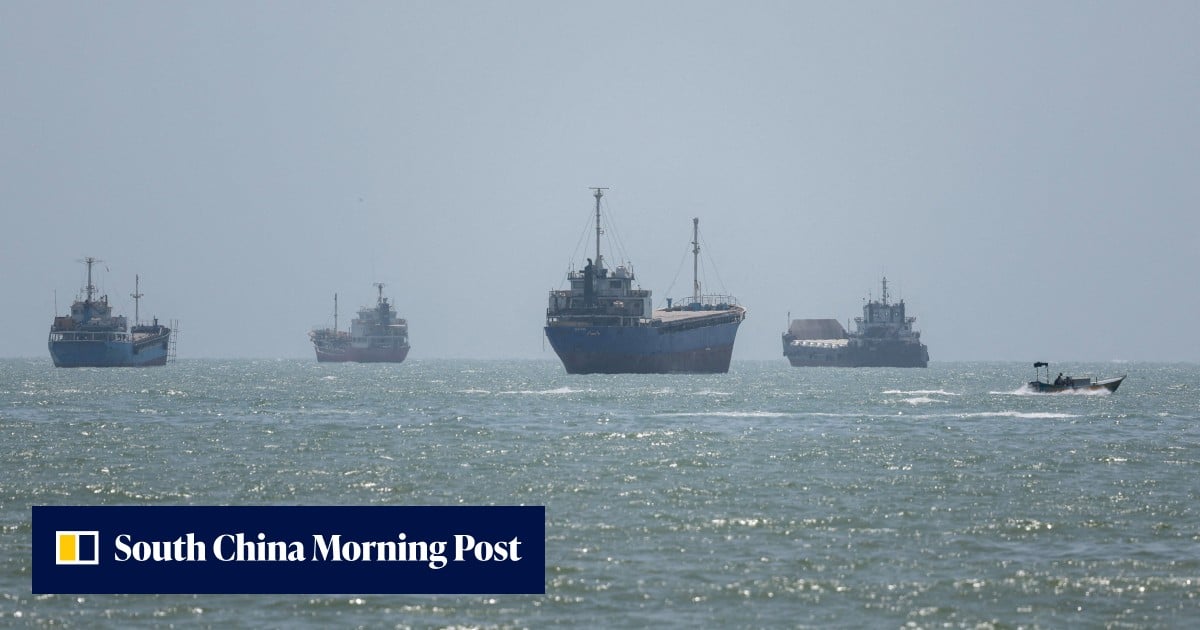
Iran and Oman reach Hormuz deal, but reopening hinges on US compliance
