Oil prices have risen again after the two-month window to negotiate a peace deal in the US-Israel war on Iran expired on Monday with no end to the conflict in sight.Iran said on Monday that it would take a more aggressive stance if talks with the US failed, while Donald Trump demanded Tehran “put up the white flag of surrender” in an interview with Fox News.He also threatened to bomb Oman if it “gets in the way” of his effort to end the war, the second time he has directed such a threat at the longtime US strategic partner. “If Oman gets in the way, we’ll bomb the shit out of them,” Trump told Fox News on Monday.Brent crude rose above $90 a barrel for the first time since 30 July, and was trading at $91.63 on Tuesday morning.“Trump’s threat to bomb Oman could be the moment the oil market shifts from pricing a temporary disruption to pricing a prolonged one,” said Angeline Ong, a senior technical analyst at the investing and trading platform IG.“If Muscat pulls back from talks with Tehran, the diplomatic route to restoring normal flows through Hormuz narrows considerably. That would be a signal to add to energy longs rather than fade the rally – with roughly a quarter of global seaborne oil normally passing through the strait, even a small reduction in the probability of reopening warrants a higher geopolitical premium in crude.”A cargo ship was attacked while travelling through the strait early on Tuesday, according to the UK Maritime Trade Operations agency, after an Iranian official told Reuters that it would shift to a “fully offensive” military stance.Fox News also reported on Tuesday that Ebrahim Zolfaghari, the Iranian military spokesperson, said vessels attempting to pass through the strait will “find several beautiful holes in their hulls”.Even before that, just six commodity ships travelled through the waterway on Monday according to Kpler, a ship tracking company. That was slightly up compared with the weekend, when five ships transited through Saturday and Sunday combined.Analysts at Deutsche Bank wrote on Tuesday that the rising Oil prices were a sign of investors pricing in “a more extended closure” of the strait.Trump made the threat against Oman as he struggles to draw the conflict to a close almost six months after it began. But the US president also claimed during Monday’s interview that he was “not in a hurry” to reach a deal.skip past newsletter promotionafter newsletter promotionHe has repeatedly claimed the war would end “soon”, and talked up the prospect of a lasting peace deal in recent months, without such a breakthrough materialising. Trump said he would not impose a fresh deadline on Iran, adding: “I have no time schedule. I’m not in a hurry.”Dan Alamariu, the chief geopolitical strategist at the research company Alpine Macro, warned that if there is no end to the fighting in the Middle East, energy prices could see a “double whammy” from that combined with Russia’s ongoing war in Ukraine.He said that “escalation from September through November is likely and could deliver a double shock … even if a bigger two-war convergence remains just a tail risk”.“Energy market risks will persist, and oil and gas prices and volatility would spike with another bout of sustained, intense conflict, especially in the Gulf,” Alamariu wrote.
SRCThe Guardian - World News
LANGEN
LEANCenter-Left
WORDS551
ENT12
TUE · 2026-08-18 · 07:04 GMTBRIEF NSR-2026-0818-103326
NSR-2026-0818-103326News Report·EN·Economic Impact
Oil prices jump after US-Iran ceasefire expires and Trump threatens Oman
Oil prices surged, with Brent crude exceeding $90 a barrel for the first time since July 30th, following the expiration of a two-month ceasefire window in the US-Iran conflict. Iran indicated a more aggressive stance if talks failed, while US President Trump demanded Tehran's surrender and threatened to bomb Oman if it interfered with efforts to end the war.
Alex DanielThe Guardian - World NewsFiled 2026-08-18 · 07:04 GMTLean · Center-LeftRead · 3 min
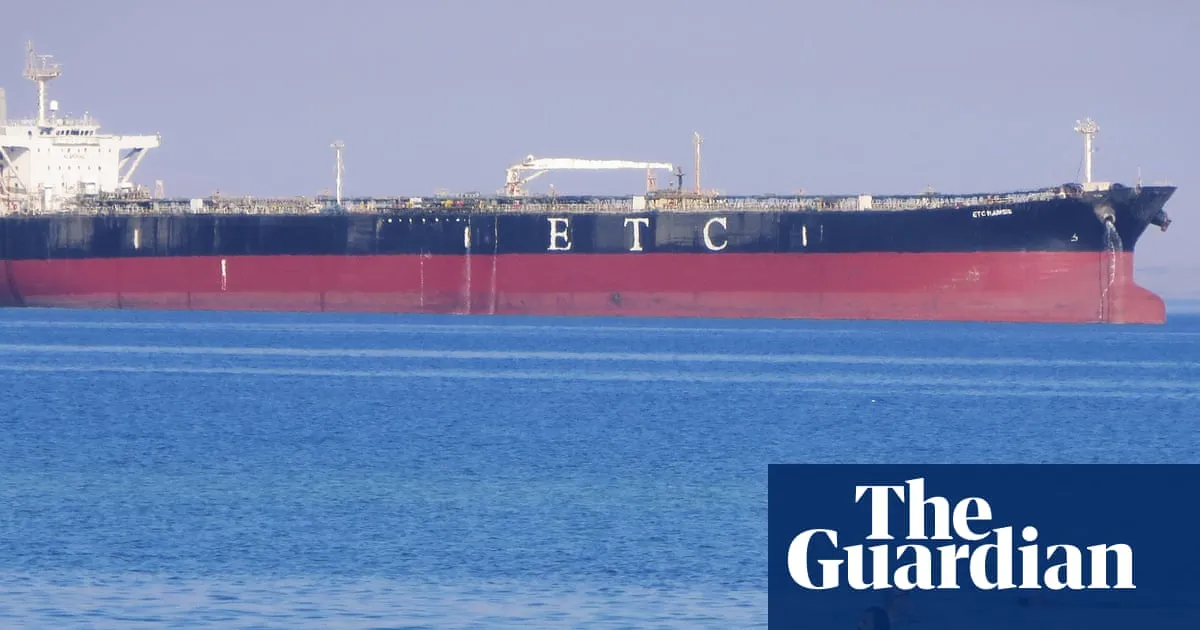
The Guardian - World NewsFIG 01
Reading time
3min
Word count
551words
Sources cited
5cited
Entities identified
12entities
Quality score
100%
§ 01
Briefing Summary
AI-generatedNEWSAR · AI
Oil prices surged, with Brent crude exceeding $90 a barrel for the first time since July 30th, following the expiration of a two-month ceasefire window in the US-Iran conflict. Iran indicated a more aggressive stance if talks failed, while US President Trump demanded Tehran's surrender and threatened to bomb Oman if it interfered with efforts to end the war. Analysts suggest Trump's threat to Oman could signal a shift from temporary to prolonged oil market disruption, especially given the strategic importance of the Strait of Hormuz, through which a significant portion of global seaborne oil passes. Reports also indicated a cargo ship was attacked in the strait, and an Iranian military spokesperson warned of damage to vessels. The rising prices reflect investor expectations of a more extended closure of the strait, with potential for further energy price spikes if Middle East conflict escalates.
Confidence 0.90Sources 5Claims 5Entities 12
§ 02
Article analysis
Model · rule-basedFraming
Economic Impact
Conflict
Tone
Mixed Tone
AI-assessed
CalmNeutralAlarmist
Factuality
0.70 / 1.00
Factual
LowHigh
Sources cited
5
Well sourced
FewMany
§ 03
Key claims
5 extracted01
Donald Trump threatened to bomb Oman if it "gets in the way" of his effort to end the war.
quoteDonald Trump (via Fox News)
Confidence
0.95
02
Oil prices rose above $90 a barrel after the US-Iran ceasefire expired and Trump threatened Oman.
factual
Confidence
0.90
03
A cargo ship was attacked while travelling through the Strait of Hormuz on Tuesday.
factualUK Maritime Trade Operations agency
Confidence
0.85
04
Analysts believe rising oil prices indicate investors are pricing in a more extended closure of the Strait of Hormuz.
factualAnalysts at Deutsche Bank
Confidence
0.80
05
If there is no end to the fighting in the Middle East, energy prices could see a "double whammy" combined with the war in Ukraine.
predictionDan Alamariu (Alpine Macro)
Confidence
0.75
§ 04
Full report
3 min read · 551 words§ 05
Entities
12 identifiedKey playerOppositionContextPositiveNeutralNegative
Organizations5
Locations4
§ 06
Keywords & salience
10 termsoil prices
1.00
us-iran conflict
0.90
strait of hormuz
0.80
geopolitical premium
0.70
donald trump
0.60
oman threat
0.60
ceasefire expiration
0.50
energy market
0.50
aggressive stance
0.40
prolonged disruption
0.40
§ 07
Topic connections
Interactive graph Network visualization showing 51 related topics
View Full Graph Person Organization Location Event|Click node to navigate|Edge numbers = shared articles