Six months into its War with the United States, Iran’s military has begun signalling a shift from retaliation to offence, which analysts say could reflect Tehran’s belief it holds leverage to advance its demands and break the stalemate.Since US-Israeli strikes launched the war on February 28, Tehran has largely portrayed its strikes against the US, Israel and Gulf countries as revenge for attacks on the Islamic Republic.Now, Iranian officials are openly talking about giving offensive operations a greater priority while keeping control over the strategic Strait of Hormuz, a key source of leverage against Washington that has disrupted a vital global energy route and driven up energy prices.A vessel in the Strait of Hormuz near the beach of Bandar Abbas, Iran, in June. Photo: ReutersIran’s Supreme Leader Mojtaba Khamenei outlined that approach in a reshuffle of top military commanders earlier this month, calling for “strengthening maximum deterrence and preparing to conduct large-scale offensive operations against the enemy”.
SRCSouth China Morning Post
LANGEN
LEANCenter-Right
WORDS157
ENT10
THU · 2026-08-20 · 04:58 GMTBRIEF NSR-2026-0820-104072
NSR-2026-0820-104072Analysis·EN·Conflict
Iran goes on the offensive as diplomacy with US stalls
Six months into a war with the United States, Iran's military is shifting from a retaliatory stance to an offensive one. Analysts suggest this change, beginning around February 28 following US-Israeli strikes, indicates Tehran believes it has leverage to advance its demands and break the current stalemate.
Agence France-PresseSouth China Morning PostFiled 2026-08-20 · 04:58 GMTLean · Center-RightRead · 1 min
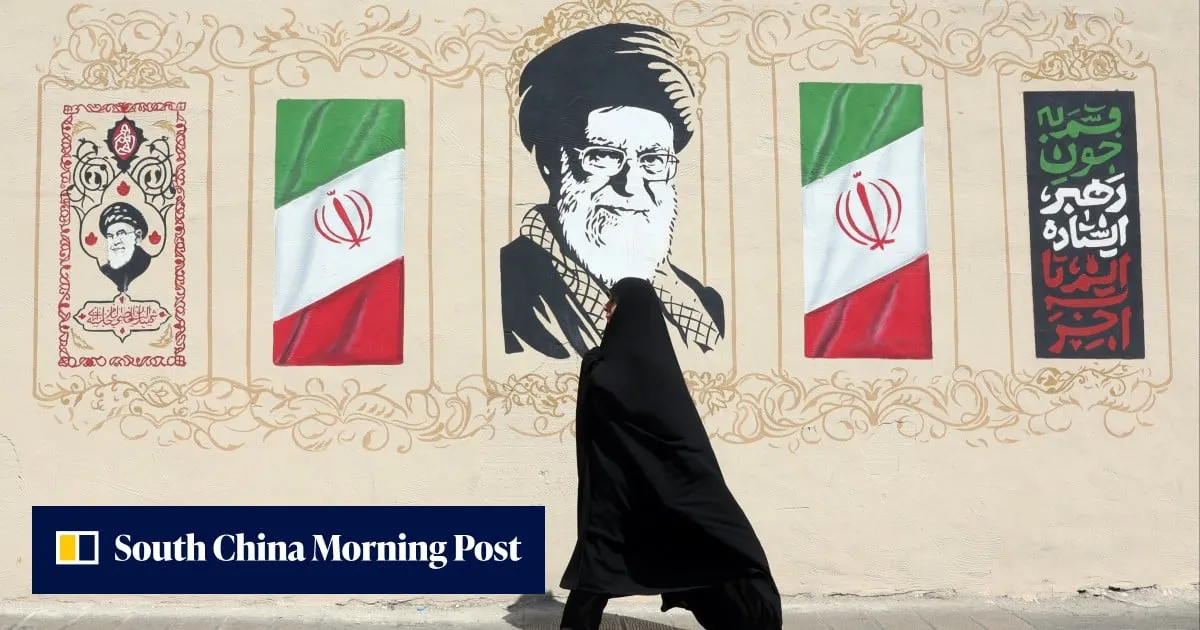
South China Morning PostFIG 01
Reading time
1min
Word count
157words
Sources cited
1cited
Entities identified
10entities
Quality score
100%
§ 01
Briefing Summary
AI-generatedNEWSAR · AI
Six months into a war with the United States, Iran's military is shifting from a retaliatory stance to an offensive one. Analysts suggest this change, beginning around February 28 following US-Israeli strikes, indicates Tehran believes it has leverage to advance its demands and break the current stalemate. Iranian officials are now prioritizing offensive operations, while maintaining control over the Strait of Hormuz, a key strategic point that has disrupted global energy routes and increased prices. This strategic shift was outlined by Iran's Supreme Leader Mojtaba Khamenei, who called for strengthening deterrence and preparing for large-scale offensive operations.
Confidence 0.90Sources 1Claims 5Entities 10
§ 02
Article analysis
Model · rule-basedFraming
Conflict
Political Strategy
Tone
Mixed Tone
AI-assessed
CalmNeutralAlarmist
Factuality
0.60 / 1.00
Mixed
LowHigh
Sources cited
1
Limited
FewMany
§ 03
Key claims
5 extracted01
Iran's Supreme Leader Mojtaba Khamenei called for 'strengthening maximum deterrence and preparing to conduct large-scale offensive operations against the enemy'.
quoteMojtaba Khamenei
Confidence
1.00
02
Iran has largely portrayed its strikes as revenge for attacks on the Islamic Republic since February 28.
factualarticle
Confidence
0.90
03
Controlling the Strait of Hormuz is a key source of leverage for Iran against Washington.
factualarticle
Confidence
0.85
04
Iranian officials are openly talking about giving offensive operations a greater priority.
factualarticle
Confidence
0.80
05
Iran's military is signalling a shift from retaliation to offense in its war with the United States.
factualanalysts
Confidence
0.80
§ 04
Full report
1 min read · 157 words§ 05
Entities
10 identifiedKey playerOppositionContextPositiveNeutralNegative
Organizations1
Locations5
§ 06
Keywords & salience
7 termsiran offensive operations
1.00
us-iran diplomacy
0.90
strait of hormuz
0.80
energy prices
0.70
military commanders
0.60
maximum deterrence
0.50
global energy route
0.40
§ 07
Topic connections
Interactive graph Network visualization showing 51 related topics
View Full Graph Person Organization Location Event|Click node to navigate|Edge numbers = shared articles