US
US-Israeli strikes
Event ConflictUS-Israeli strikes on Iran trigger retaliation, regional instability, and global economic concerns in March 2026.
Total Coverage:2 articles
Last 7 Days:0
Event Overview
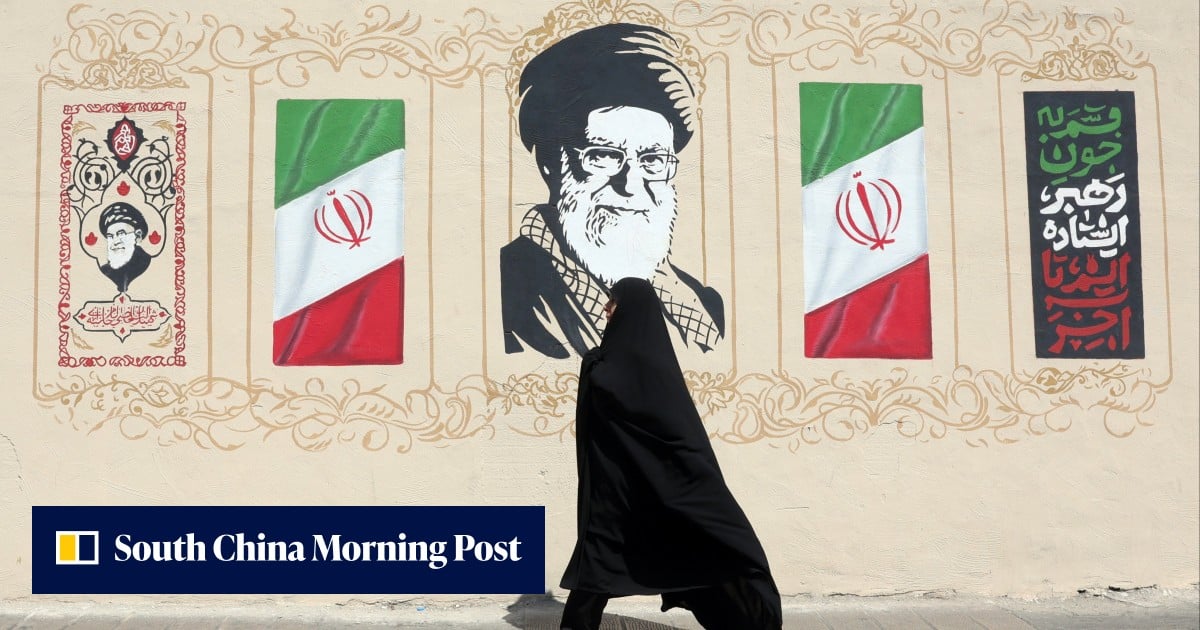
In March 2026, US-Israeli strikes on Iran initiated a period of heightened tensions and instability. These strikes, which began around February 28th, targeted Iranian military officials, universities, and residential areas in Tehran, resulting in casualties and significant damage. The attacks on universities have raised questions about the definition of legitimate retaliation. The killing of Iran's Supreme Leader Ayatollah Ali Khamenei in these strikes further escalated the situation, prompting retaliatory attacks by Iran on Israel and US assets in the region. Iran's subsequent blockade of the Strait of Hormuz, a critical oil shipping route, has been described as an attempt to "hijack the global economy," causing oil prices to surge. This blockade has spurred international discussions, involving approximately 40 countries, regarding potential joint action to reopen the waterway. Pro-Iran protests, some violent, have erupted in Pakistan following Khamenei's death, leading to curfews and troop deployments. The situation is relevant due to its potential to escalate into a wider conflict and its immediate impact on global economic stability.
Last updated: August 28, 2026
Coverage Timeline
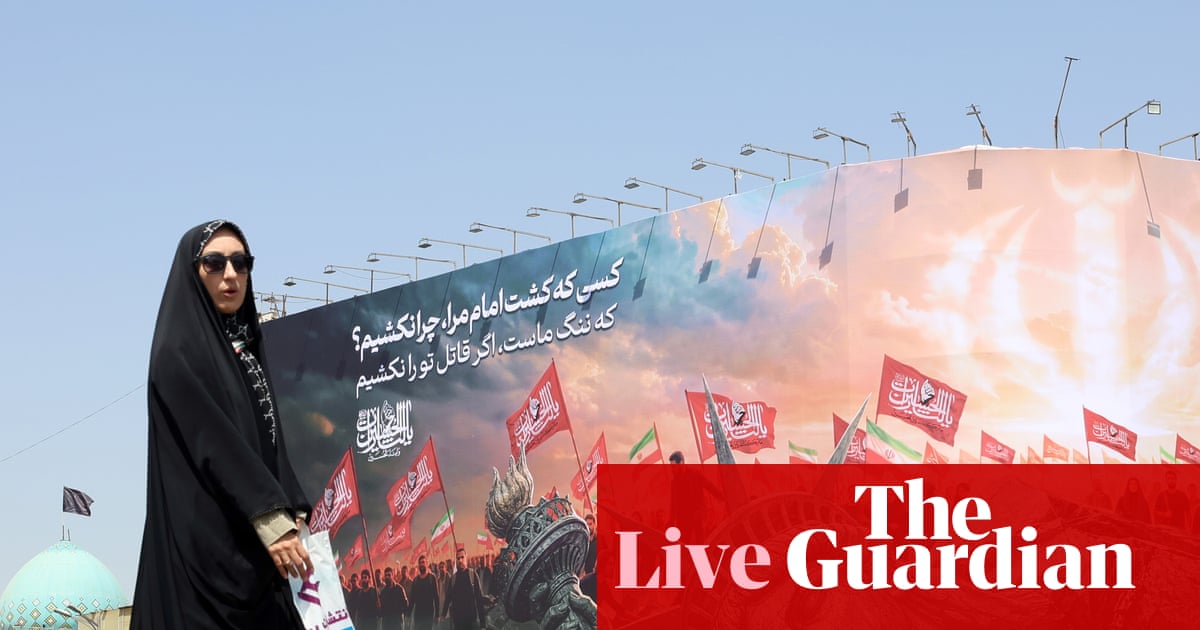
Middle East crisis live: Bessent claims US could reach Hormuz deal with Iran by tomorrow
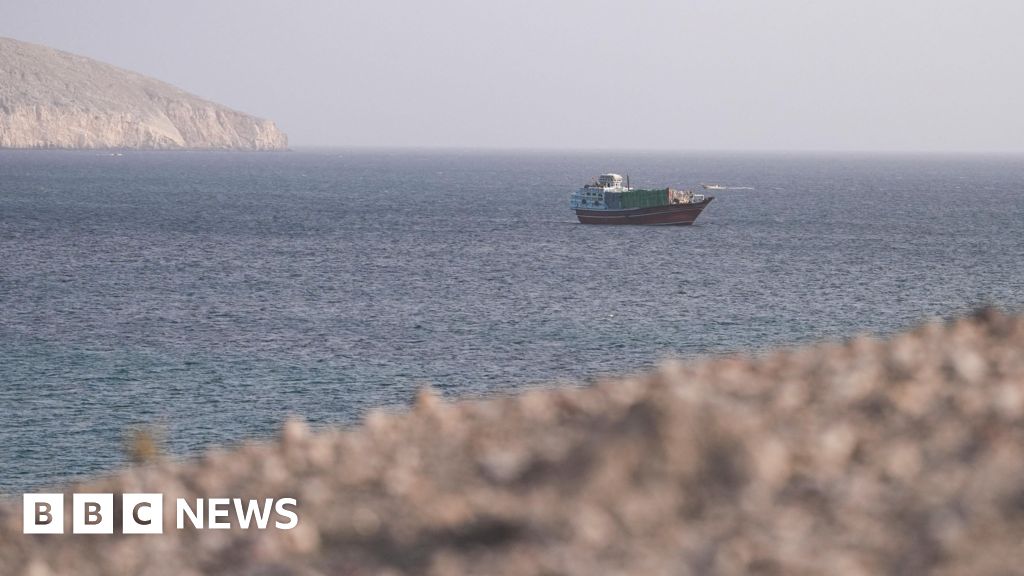
Blasts reported in Iran as US launches new wave of strikes
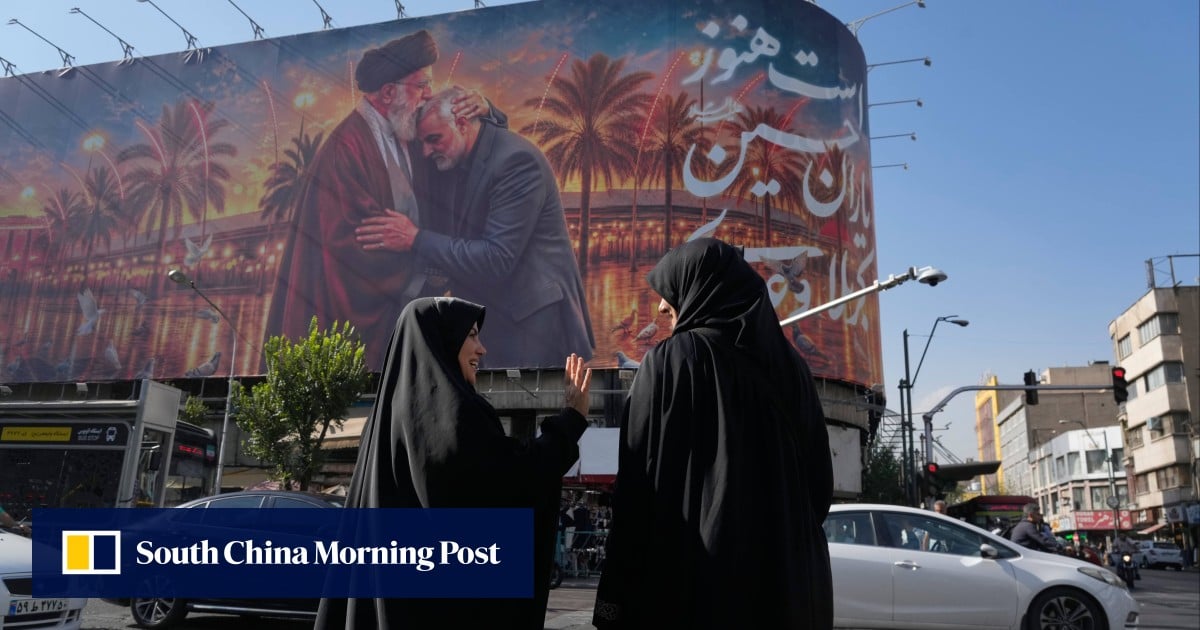
Trump sees progress as US and Iran hold talks in Qatar
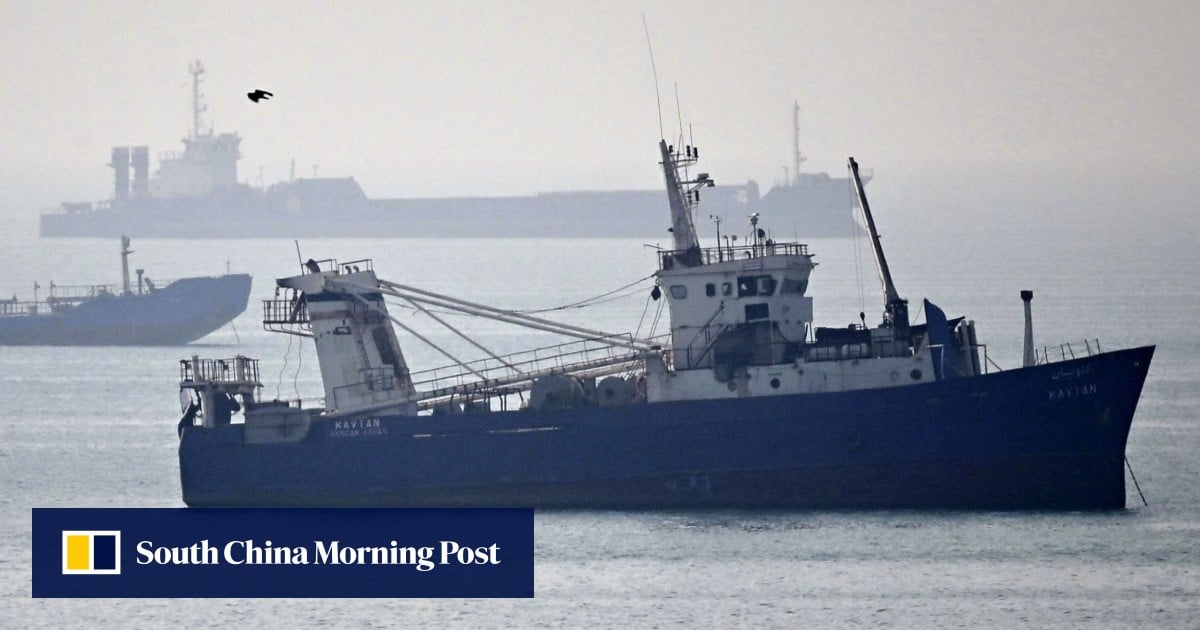
Shipowners hold off on Hormuz transit until US-Iran deal proves ‘material’

Rescuers search for survivors after strikes hit homes in Iran
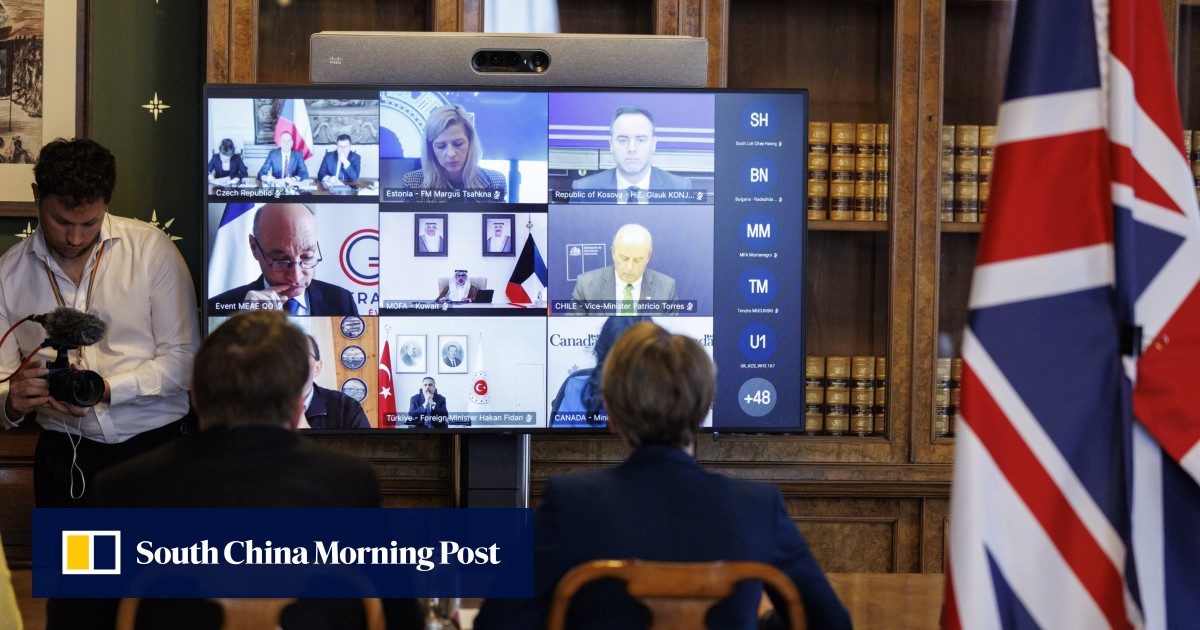
Britain says 40 countries discuss reopening Strait of Hormuz after Iran blockade

Iranian rescuers save two civilians from rubble after US-Israeli strikes

Iranian academic describes US-Israeli attacks on Iran’s universities
