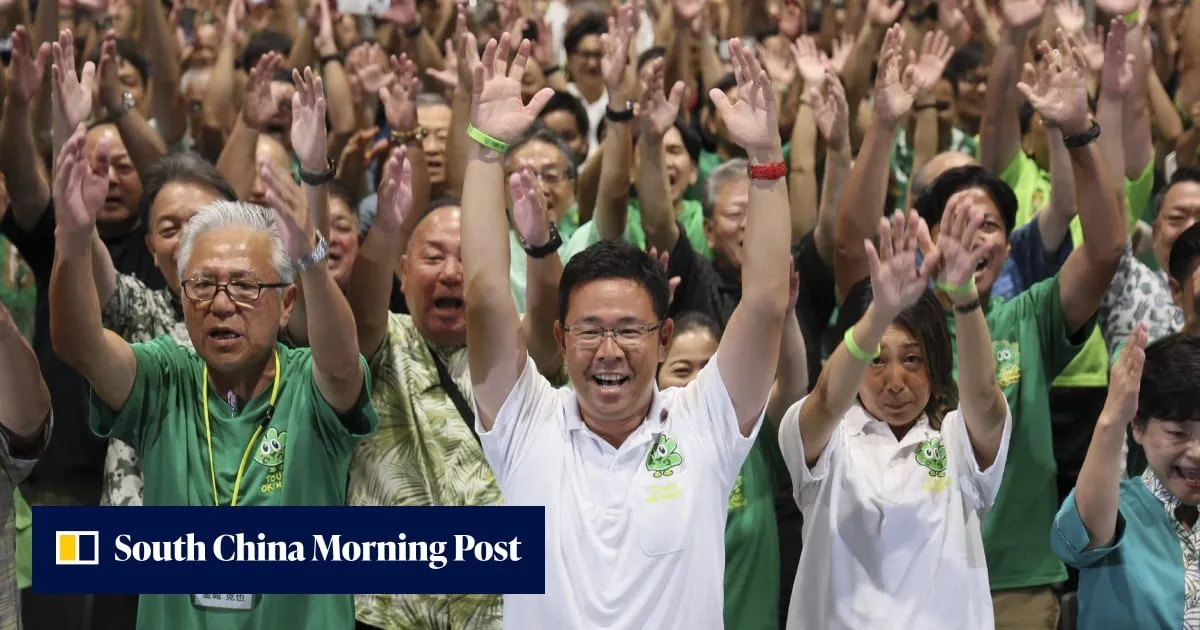
Okinawa’s election on Sunday of a governor backed by Japan’s ruling party ended 12 years of local leadership opposed to the relocation of a US airbase and elements of Tokyo’s defence build-up plans.While experts say that Genta Koja’s victory will not give Tokyo any new military authority in the region, it could lead to closer integration of civilian infrastructure into Japan’s defence network in case of a conflict – including one over Taiwan.Koja’s election would give Tokyo “room to expand its so-called Nansei shift, that is to concentrate its military build-up in the southwestern part of Japan to deter China’s military presence in the East and South China seas”, said Sebastian Maslow, an associate professor at the University of Tokyo.Maslow said much of this shift would probably have happened regardless of the election result. But with a prefectural government backed by Prime Minister Sanae Takaichi’s Liberal Democratic Party, the process would be “less noisy and perhaps faster”.
SRCSouth China Morning Post
LANGEN
LEANCenter-Right
WORDS157
ENT12
TUE · 2026-09-15 · 14:00 GMTBRIEF NSR-2026-0915-111483
NSR-2026-0915-111483Analysis·EN·National Security
How Okinawa’s political shift could make Japan more prepared for a Taiwan contingency
Okinawa elected Genta Koja, backed by Japan's ruling party, as its new governor on Sunday, ending 12 years of local leadership that opposed US airbase relocation and Tokyo's defense plans. While this victory grants Japan no new military authority, experts suggest it could facilitate the integration of civilian infrastructure into Japan's defense network, potentially aiding preparedness for a Taiwan contingency.
Gabriel DominguezSouth China Morning PostFiled 2026-09-15 · 14:00 GMTLean · Center-RightRead · 1 min
South China Morning PostFIG 01
Reading time
1min
Word count
157words
Sources cited
1cited
Entities identified
12entities
Quality score
100%
§ 01
Briefing Summary
AI-generatedNEWSAR · AI
Okinawa elected Genta Koja, backed by Japan's ruling party, as its new governor on Sunday, ending 12 years of local leadership that opposed US airbase relocation and Tokyo's defense plans. While this victory grants Japan no new military authority, experts suggest it could facilitate the integration of civilian infrastructure into Japan's defense network, potentially aiding preparedness for a Taiwan contingency. Koja's election is expected to allow Tokyo to more smoothly advance its military buildup in southwestern Japan, aimed at deterring China's presence in the East and South China Seas. This strategic shift, known as the Nansei shift, was likely to proceed regardless of the election outcome, but a supportive prefectural government may expedite the process.
Confidence 0.85Sources 1Claims 4Entities 12
§ 02
Article analysis
Model · rule-basedFraming
National Security
Political Strategy
Tone
Measured
AI-assessed
CalmNeutralAlarmist
Factuality
0.60 / 1.00
Mixed
LowHigh
Sources cited
1
Limited
FewMany
§ 03
Key claims
4 extracted01
Koja's election would give Tokyo 'room to expand its so-called Nansei shift' to deter China's military presence.
quoteSebastian Maslow
Confidence
0.90
02
Okinawa's election of a governor backed by Japan's ruling party ended 12 years of local leadership opposed to US airbase relocation and defense build-up.
factual
Confidence
0.90
03
Much of this shift would likely have happened regardless of the election, but the process would be 'less noisy and perhaps faster'.
quoteSebastian Maslow
Confidence
0.80
04
The governor's victory will not give Tokyo new military authority but could lead to closer integration of civilian infrastructure into Japan's defense network for conflict.
predictionexperts
Confidence
0.70
§ 04
Full report
1 min read · 157 words§ 05
Entities
12 identifiedKey playerOppositionContextPositiveNeutralNegative
People3
Organizations2
§ 06
Keywords & salience
8 termstaiwan contingency
1.00
okinawa election
0.90
japan defence build-up
0.80
us airbase relocation
0.70
nansei shift
0.70
deter china
0.60
ruling party
0.50
civilian infrastructure
0.40
§ 07
Topic connections
Interactive graph Network visualization showing 51 related topics
View Full Graph Person Organization Location Event|Click node to navigate|Edge numbers = shared articles