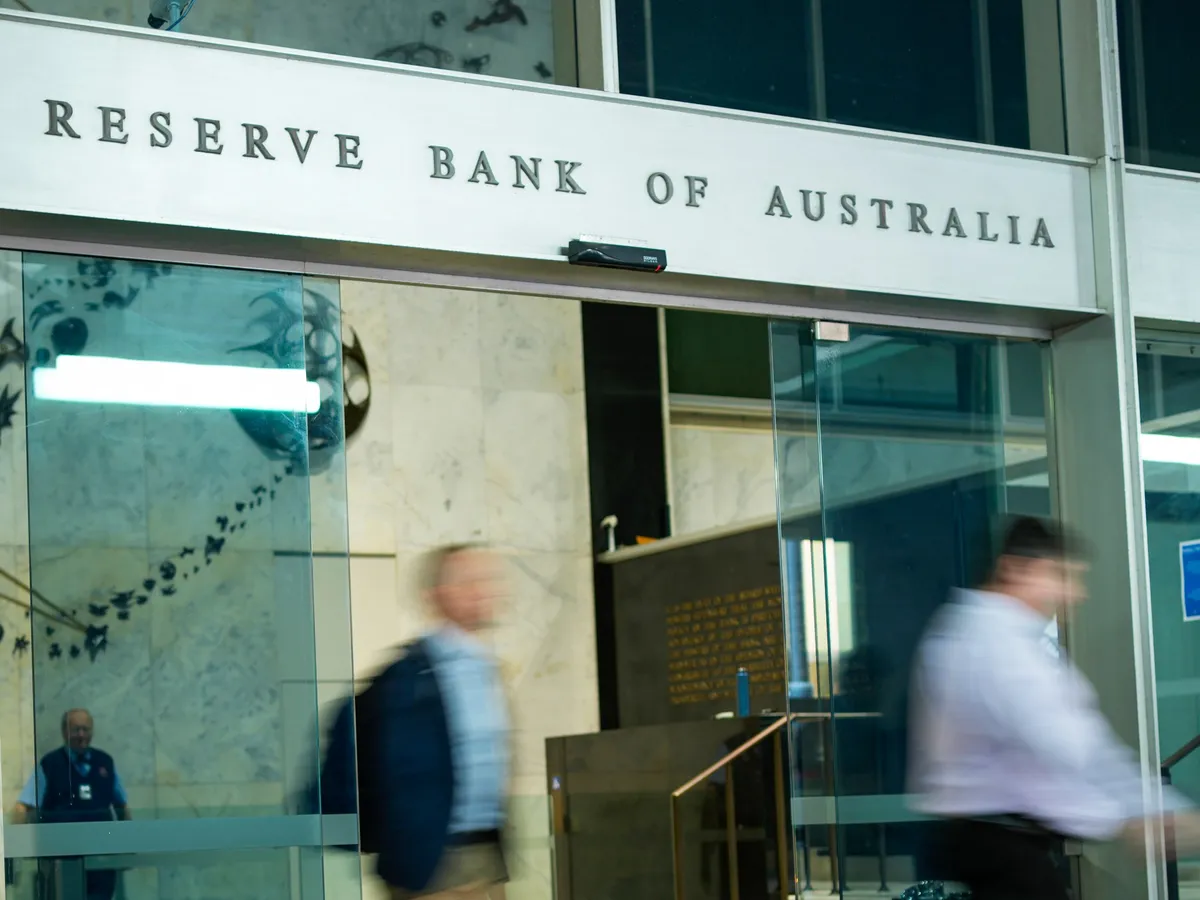
Australia" class="entity-link entity-organization" data-entity-id="3046" data-entity-type="organization">Reserve Bank of Australia lifts benchmark rate to 4.6 percent amid stubborn inflation.Australia’s central bank has raised interest rates to a 15-year high, spelling higher mortgage payments for millions of Australian households.The Australia" class="entity-link entity-organization" data-entity-id="3046" data-entity-type="organization">Reserve Bank of Australia (RBA) on Tuesday lifted the benchmark rate by 0.25 percent to 4.6 percent, its highest since 2011.Recommended Stories list of 4 itemslist 1 of 4Rubio, Saudi Arabia’s foreign minister hold talks on Yemen, Hormuz Straitlist 2 of 4Pope Leo says AI risk concerns not ‘fake news’list 3 of 4More than 80 reported abducted in Nigeria as police find human remainslist 4 of 4Public transport drivers strike in Manila over soaring fuel pricesend of listThe RBA said inflation remained elevated and that previously flagged “upside risks” had materialised, including higher energy prices due to the United States-Israel war on Iran and an AI-driven surge in tech costs.“There continue to be heightened uncertainties about the outlook for domestic economic activity and inflation,” the bank’s monetary board said in a statement.“The Middle East conflict remains unresolved, and there are scenarios where inflation is higher and activity lower than forecast,” it said.“Global oil supply disruptions are maintaining upward pressure on global and domestic energy prices and inflation. A period of prolonged uncertainty may also cause growth to be lower overseas and in Australia.”Australia’s annual rate of inflation stood at 3.5 percent in July, well above the central bank’s 2–3 percent target.Central banks typically raise their benchmark interest rate when policymakers believe prices are rising too fast.Higher interest rates raise the cost of borrowing, including mortgages, cooling consumer demand and bringing down inflation.The latest hike is set to heap further strain on Australian households already grappling with three previous increases this year.In a research report earlier this month, Roy Morgan said nearly one-third of Australian mortgage holders, or nearly 1.8 million people, were at risk of “mortgage stress” – where households spend 25-45 percent of after-tax income on payments – as of July.
SRCAl Jazeera
LANGEN
LEANCenter
WORDS324
ENT9
TUE · 2026-09-29 · 06:29 GMTBRIEF NSR-2026-0929-114891
NSR-2026-0929-114891News Report·EN·Economic Impact
Australia raises interest rates to 15-year high
The Reserve Bank of Australia (RBA) has raised its benchmark interest rate by 0.25 percent to 4.6 percent, the highest level since 2011. This decision was made due to persistent inflation, which stood at 3.5 percent in July, exceeding the RBA's target range of 2-3 percent.
John PowerAl JazeeraFiled 2026-09-29 · 06:29 GMTLean · CenterRead · 2 min
Al JazeeraFIG 01
Reading time
2min
Word count
324words
Sources cited
2cited
Entities identified
9entities
Quality score
100%
§ 01
Briefing Summary
AI-generatedNEWSAR · AI
The Reserve Bank of Australia (RBA) has raised its benchmark interest rate by 0.25 percent to 4.6 percent, the highest level since 2011. This decision was made due to persistent inflation, which stood at 3.5 percent in July, exceeding the RBA's target range of 2-3 percent. The RBA cited factors such as rising energy prices, influenced by the conflict between the United States and Iran, and increased tech costs driven by AI, as contributing to "upside risks" for inflation. This rate hike is expected to increase mortgage payments for Australian households, with nearly one-third of mortgage holders already at risk of financial strain. The RBA indicated ongoing uncertainties regarding domestic economic activity and inflation outlook.
Confidence 0.90Sources 2Claims 5Entities 9
§ 02
Article analysis
Model · rule-basedFraming
Economic Impact
Human Interest
Tone
Measured
AI-assessed
CalmNeutralAlarmist
Factuality
0.90 / 1.00
Factual
LowHigh
Sources cited
2
Limited
FewMany
§ 03
Key claims
5 extracted01
Higher interest rates increase borrowing costs, cooling consumer demand and reducing inflation.
factual
Confidence
1.00
02
Australia's annual inflation rate was 3.5 percent in July, exceeding the RBA's 2-3 percent target.
statisticReserve Bank of Australia
Confidence
1.00
03
Reserve Bank of Australia lifts benchmark rate to 4.6 percent, the highest since 2011.
statisticReserve Bank of Australia
Confidence
1.00
04
Nearly one-third of Australian mortgage holders (1.8 million people) are at risk of mortgage stress.
statisticRoy Morgan
Confidence
0.90
05
Inflation remains elevated due to higher energy prices from the US-Israel war on Iran and AI-driven tech costs.
quoteReserve Bank of Australia
Confidence
0.90
§ 04
Full report
2 min read · 324 words§ 05
Entities
9 identifiedKey playerOppositionContextPositiveNeutralNegative
Locations5
§ 06
Keywords & salience
10 termsinflation
1.00
interest rates
1.00
reserve bank of australia
0.90
mortgage payments
0.80
economic activity
0.70
energy prices
0.60
consumer demand
0.50
monetary policy
0.50
global oil supply
0.40
mortgage stress
0.40
§ 07
Topic connections
Interactive graph Network visualization showing 51 related topics
View Full Graph Person Organization Location Event|Click node to navigate|Edge numbers = shared articles