
Reserve Bank of Australia
Organization CompanyReserve Bank of Australia sets interest rates amid inflation concerns and global energy shock
Mentions:16
7 Days:2
Trending:49%
About
The Reserve Bank of Australia (RBA) is a central bank responsible for monetary policy in Australia. Recently, it has been making headlines due to its decision to raise interest rates amidst a global energy shock driven by the US war on Iran, which threatens to push Australian inflation towards 5%. The RBA's actions have sparked concerns about stagflation and its impact on households. Recent events include back-to-back rate hikes, a fuel excise cut that primarily benefits wealthier households, and predictions of further rate increases in 2026. These developments highlight the RBA's efforts to combat inflation and its potential effects on the Australian economy.
Last updated: September 23, 2026
Summary Evolution
Recent Coverage

AI could be a bubble and is not yet making Australia more productive, Michele Bullock says

The RBA hoped this year’s three interest rate rises would tame inflation – but nothing is going their way
Australia’s biggest property downturn since pandemic threatens economic growth
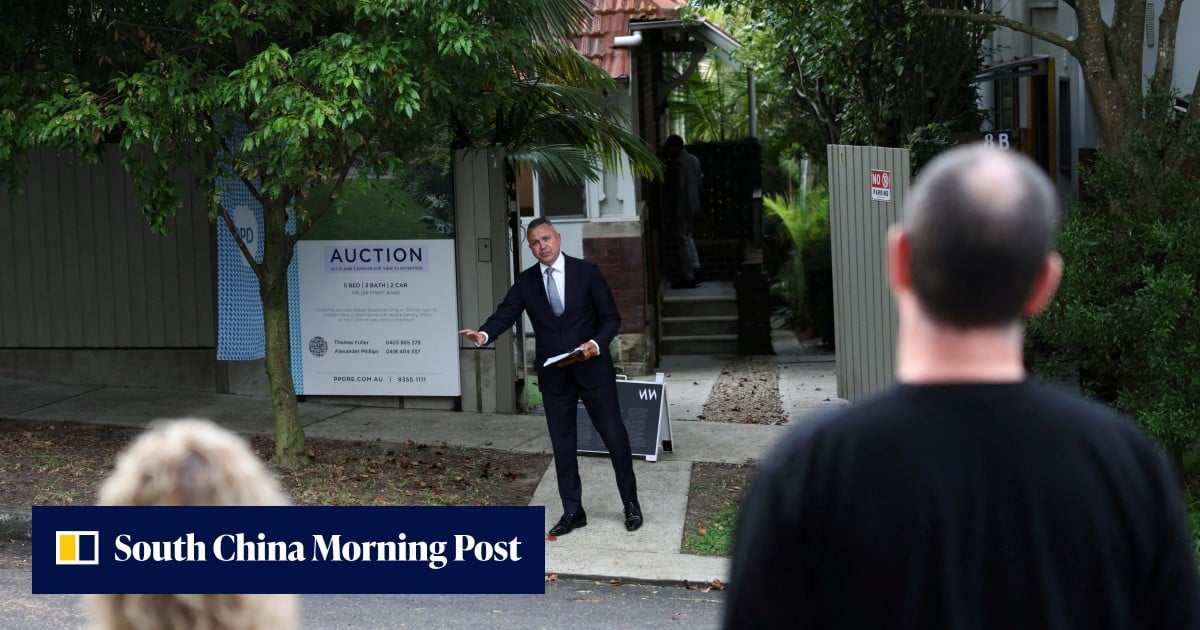
Lending to property investors falls sharply in ‘tiny’ step towards fairer housing market in Australia, expert says
The RBA likely believes it won’t need to hike rates again – but the worst thing it could do is say that out loud

RBA interest rates: Reserve Bank holds cash rate at 4.35% but threatens more hikes if needed

Australia politics live: gambling lobby talking points ‘coming out the PM’s mouth’, Chaney says; RBA tipped to hold interest rates
Australia’s falling house prices are actually a good thing for mortgage holders. Here’s why