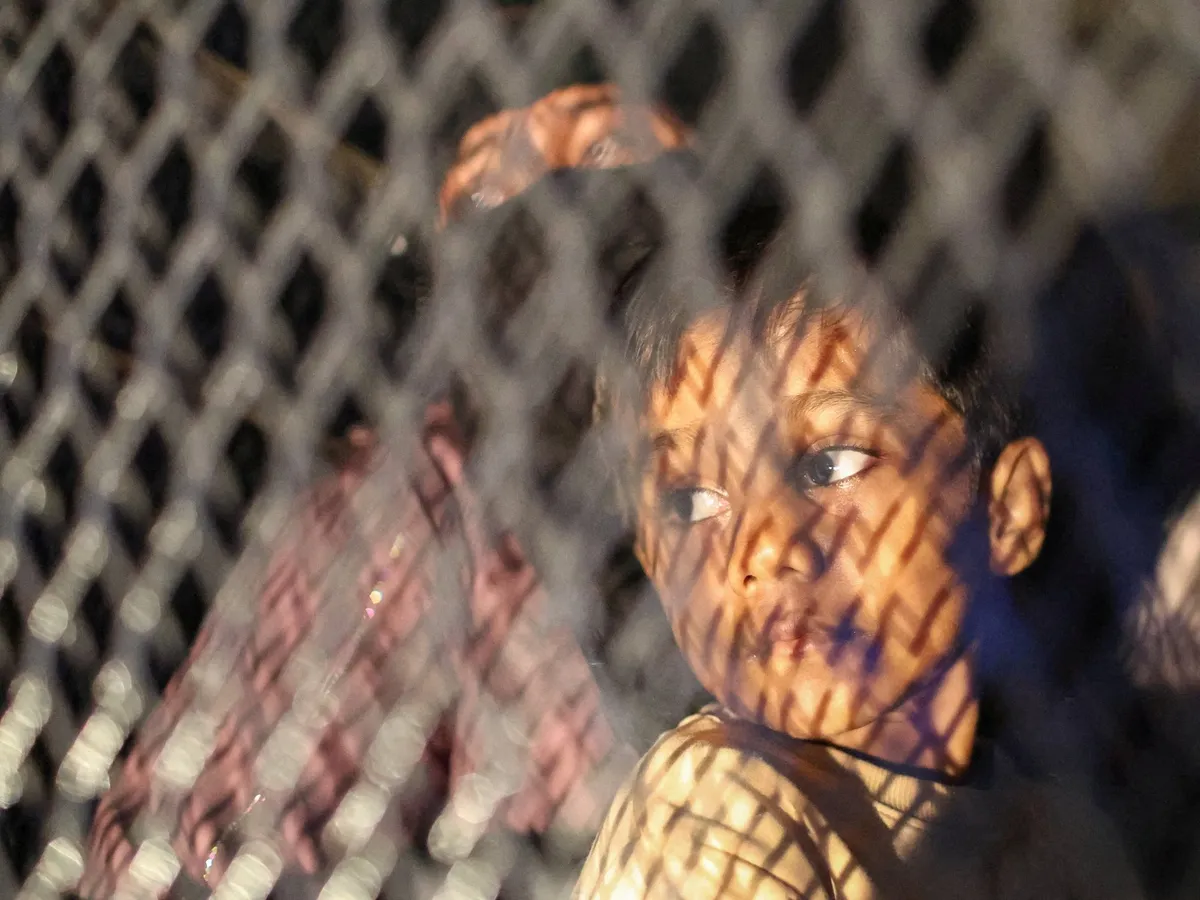
REPORTER'S NOTEBOOKMalaysia welcomed persecuted Muslim minority but now plans to send them back to Myanmar amid rising hate against them.Kuala Lumpur, Malaysia – The children sitting cross-legged on the floor are a mix of ages but are all enrolled in one class out of necessity. Coming from Rohingya families, they are not allowed to access formal education and must rely upon the generosity of donors to support informal learning centres, such as the one they attend in a quiet neighbourhood in Kuala Lumpur.“Because of their help, we can teach our kids here,” explained Riyadh Al Haq, a Rohingya human rights activist whose NGO runs the centre.Recommended Stories list of 4 itemslist 1 of 4Human rights situation in Myanmar ‘plummets to new low’, UN sayslist 2 of 4Malaysia offers to invite Myanmar leader in Rohingya repatriation pushlist 3 of 4Myanmar military launches air strike on Rakhine market, killing at least 33list 4 of 4Malaysia begins sending back Rohingya refugees despite safety warningsend of listOn one recent morning, they were busy learning the Quran, but lessons also cover a standard range of academic subjects.They and their families are also not eligible to access the healthcare system, and their parents are not allowed to work and must rely on informal employment, such as at car washes, in restaurant kitchens and at courier services.Still, life for the estimated 125,000 Rohingya who now call Malaysia home is better than the lives they left behind in Myanmar.“Because of their [Malaysian people’s] kindness, our people can stay in this country. They can live here. We are more safe than in Myanmar,” Riyadh told Al Jazeera.People peer through holes in the wall of a restaurant to watch the International Court of Justice hearing in a Rohingya refugee camp on January 23, 2020 in Cox’s Bazar, Bangladesh. The ICJ is expected to announce its verdict next month. More than 750,000 Rohingya took shelter in Bangladesh in the wake of a brutal military crackdown in 2017 [Allison Joyce/Getty Images]Repatriation criticisedHowever, on Tuesday, the Malaysian government began the repatriation of an initial group of nearly 1,500 Rohingya to Myanmar. The operation has drawn renewed attention to the plight of the Rohingya people, regarded as one of the world’s most persecuted minorities. The Muslim ethnic group is essentially stateless because they are not recognised as citizens by Myanmar.
SRCAl Jazeera
LANGEN
LEANCenter
WORDS386
ENT9
TUE · 2026-09-29 · 11:22 GMTBRIEF NSR-2026-0929-114944
NSR-2026-0929-114944News Report·EN·Human Rights
Malaysia gave refuge to Rohingya; now it wants them to go
Malaysia, which previously offered refuge to the Rohingya Muslim minority fleeing persecution in Myanmar, has begun repatriating nearly 1,500 Rohingya back to their home country. The Rohingya, who are stateless and not recognized as citizens by Myanmar, have been living in Malaysia where they lack access to formal education and healthcare, and are restricted from formal employment.
Rob McBrideAl JazeeraFiled 2026-09-29 · 11:22 GMTLean · CenterRead · 2 min
Al JazeeraFIG 01
Reading time
2min
Word count
386words
Sources cited
1cited
Entities identified
9entities
Quality score
100%
§ 01
Briefing Summary
AI-generatedNEWSAR · AI
Malaysia, which previously offered refuge to the Rohingya Muslim minority fleeing persecution in Myanmar, has begun repatriating nearly 1,500 Rohingya back to their home country. The Rohingya, who are stateless and not recognized as citizens by Myanmar, have been living in Malaysia where they lack access to formal education and healthcare, and are restricted from formal employment. Despite finding relative safety and kindness from Malaysians, their situation remains precarious. The Malaysian government's decision to repatriate them has drawn criticism, particularly given the ongoing human rights concerns in Myanmar. This move highlights the complex challenges faced by the Rohingya and the host country.
Confidence 0.90Sources 1Claims 5Entities 9
§ 02
Article analysis
Model · rule-basedFraming
Human Rights
Human Interest
Tone
Measured
AI-assessed
CalmNeutralAlarmist
Factuality
0.70 / 1.00
Factual
LowHigh
Sources cited
1
Limited
FewMany
§ 03
Key claims
5 extracted01
The Rohingya are regarded as one of the world's most persecuted minorities and are stateless.
factual
Confidence
1.00
02
Malaysia began repatriating nearly 1,500 Rohingya to Myanmar.
factual
Confidence
1.00
03
Life for the estimated 125,000 Rohingya in Malaysia is better and safer than in Myanmar.
quoteRiyadh Al Haq
Confidence
1.00
04
Rohingya families in Malaysia are not eligible for the healthcare system and parents cannot legally work, relying on informal employment.
factual
Confidence
1.00
05
Rohingya children in Malaysia are not allowed formal education and rely on informal learning centers supported by donors.
factual
Confidence
1.00
§ 04
Full report
2 min read · 386 words§ 05
Entities
9 identifiedKey playerOppositionContextPositiveNeutralNegative
§ 06
Keywords & salience
8 termsrohingya refugees
1.00
malaysia
0.90
myanmar
0.90
repatriation
0.80
persecuted minority
0.70
human rights
0.60
stateless
0.50
informal education
0.40
§ 07
Topic connections
Interactive graph Network visualization showing 18 related topics
View Full Graph Person Organization Location Event|Click node to navigate|Edge numbers = shared articles