Shrinking financial and operational resources for refugee support groups in Malaysia collide with increasing hostility towards them, particularly stateless Rohingya.Rohingya refugees sit inside a truck as they are taken by police after being evicted from their homes in Kuala Lumpur, Malaysia, on July 27, 2026 [Hasnoor Hussain/Reuters]Published On 2 Oct 2026Kuala Lumpur, Malaysia – The phone hasn’t stopped ringing in recent days. Raf*, a leader of refugees from Myanmar who are living in Malaysia, receives more than 100 calls a day, and they follow a common pattern.“They are crying, asking me to do something,” Raf told Al Jazeera.The Malaysian government on Tuesday deported nearly 1,500 refugees, part of its stated plan to send back at least 5,000 refugees as part of a deal with the military government of Myanmar. That move, from a country that had long taken in the refugees, has sparked fear among the tens of thousands of other refugees from Myanmar in the country, who have one question at the top of their minds: Who might be next?The deportation was carried out during escalating raids on refugee communities by immigration officials, which have led to the detention of more than 50,000 refugees this year alone. Those working with refugees in Malaysia said the frequency of the raids has increased since June when Prime Minister Anwar Ibrahim announced the repatriation agreement with Myanmar.“[We’ve seen] a sharp increase. Raids are happening every single day. There’s up to 50 raids or more happening every day,” said Heidy Quah, founder and executive director of the Malaysian nonprofit Refuge for the Refugees.Minister of Home Affairs Saifuddin Nasution told local media that the government has conducted more than 9,700 such operations from the beginning of this year until September 17. That’s an average of 37 operations a day.There are now more than 10,000 Myanmar nationals in Malaysia’s immigration depots, according to the Ministry of Home Affairs.In all, Malaysia is home to more than 215,000 refugees, according to the Office of the United Nations High Commissioner for Refugees (UNHCR). Nearly 194,000 are from Myanmar. There are more than 126,000 Rohingya refugees in Malaysia, where they have been the target of widespread hate speech on social media in recent months. Apart from the Rohingya, the Myanmar refugees in Malaysia include nearly 16,000 from the Chin community and 33,000 from other Myanmar communities. The non-Myanmar refugees in Malaysia include small numbers of Pakistanis, Yemenis, Somalis, Afghans, Syrians, Sri Lankans, Palestinians and Iraqis.The Myanmar refugee community in Malaysia has yet to identify any Rohingya among the first nearly 1,500 people deported on Tuesday, community leaders told Al Jazeera. Instead, many are from Myanmar’s other ethnic minorities, who are more likely to have valid national identification documents, community leaders said.“The Rohingyas are a problem for deportation because Myanmar denies their citizenship,” Raf said. “So I don’t think that Myanmar will agree and accept all those Rohingyas.”Myanmar officially treats the Rohingya as Bangladeshi immigrants despite the community’s long roots in Myanmar and their distinct ethnic identity. The Myanmar army has repeatedly cracked down on the Rohingya minority, including a wave of violence in 2017 that many rights groups have described as genocide. It set off a major refugee crisis when hundreds of thousands of Rohingya fled to Bangladesh, Malaysia, India and other neighbouring nations.Myanmar community leaders also said the raids this year appear to have targeted locations highlighted in anti-refugee videos on social media in which content creators filmed refugee-populated areas, portraying them as hubs of chaos. These videos have been shared thousands of times on platforms such as Threads, TikTok and Facebook.Al Jazeera contacted the Immigration Department to verify the link between the videos and raids but had not received a response at the time of publication. Accounts that had posted and shared antirefugee sentiment also did not respond to requests for comment.Decline in resourcesThe increase in hostilities towards refugees in Malaysia coincides with a sharp decline in the capacity of local and international aid groups to support them, especially since the closure of the United States Agency for International Development in July 2025.In Malaysia, this severely shrank resources for organisations helping refugees with basic needs, such as healthcare, Quah told Al Jazeera.“Then slowly, United Nations organisations were being defunded, and even within the UN High Commissioner for Refugees in Malaysia, they lost a lot of staff,” Quah said. The job cuts reflected global retrenchments by UNHCR last year.The agency continues to struggle with a funding crisis, saying on Tuesday that it faces a $5.79bn funding gap and, as of July, has received 32 percent of the funds it needs this year.In Malaysia, this has led to even less protection for refugees and higher rates of exploitation, Quah said.“Even UNHCR cardholders are arrested and remanded for about 14 days [while the] cards are verified,” she said.For instance, an asylum-seeking woman who had scheduled an appointment to meet UNHCR representatives this month was recently detained, and immigration authorities demanded a letter from the organisation to prove that she was an asylum seeker, Quah said.Although UNHCR confirmed the woman was seeking asylum, she remains in detention, Quah said.An initial group of 1,476 people from Myanmar are deported from Malaysia on September 29, 2026, first my bus and then by Myanmar navy ships [Fazry Ismail/EPA]Ongoing violence in MyanmarUNHCR and rights groups in Malaysia have urged the Malaysian government to stop the deportations as violence continues in Myanmar.A day before Malaysia’s deportation of the refugees on Tuesday, an air strike by Myanmar’s military was reported to have killed at least 33 people in Rakhine state, the historical home of the Rohingya. The Arakan Army group said the victims included vendors, shoppers and pedestrians. In June, the UN said Myanmar’s military was responsible for more than 700 civilian deaths over a six-month election period that started in August last year.The Human Rights Commission of Malaysia (SUHAKAM) said that while Malaysia is not a party to the Refugee Convention of 1951, the principle of nonrefoulement has become part of customary international law and Malaysia, therefore, is bound to abide by it. The principle protects people from being returned to a place where they face a real risk of persecution, torture or other serious harm.Particular attention should also be given to children, SUHAKAM said, highlighting that Tuesday’s deportation included 27 children, some reportedly as young as eight years old.“No child should be returned to danger. Their safety, dignity and best interests must come first,” it said.Myanmar community leaders in Malaysia told Al Jazeera the ships that departed on Tuesday will arrive in Yangon on Sunday.“After that, we will [learn] whether they are allowed to leave the port safely [or are detained],” said one community leader who requested anonymity due to the increase in violence towards refugees in Malaysia.Still, even those who are allowed to leave the port may need to spend months or years in Yangon because it is unsafe to travel across the country, the community leader said.Rohingya refugees face evictions from their homes in Malaysia amid rising local tensions and online misinformation [File: Hasnoor Hussain/Reuters]Call for independent accessRights groups further criticised the Malaysian government’s framing of the deportations as “voluntary”, saying individuals should have sufficient information about conditions in their home countries before making such a decision.“While authorities say the returns are voluntary, those returned had been held in immigration detention. This raises serious questions about whether decisions to return were genuinely free and informed,” UNHCR Assistant High Commissioner for Protection Edem Wosornu said.The Malaysian government said people were selected for deportation based on a list of names shared by the Myanmar government in an official diplomatic note.“Such [a] ‘voluntary’ decision must be determined by an independent authority, such as the UNHCR, and not by the Immigration Department,” SUHAKAM said .UNHCR told Al Jazeera that it was not involved in the latest return process and did not have access to the individuals concerned. “[We were,] therefore, not in a position to independently ascertain the voluntariness of their decisions to return,” it said.“We continue to encourage the government to ensure that return processes include individual assessments, access to protection procedures and safeguards to ensure that any decision to return is free, informed and genuinely voluntary,” it said.The deportations come at a time when Malaysia is simultaneously positioning itself as welcoming to refugees and their needs.In 2015, the Malaysian government launched a Refugee Registration Document (DPP) programme. On paper, it is supposed to help register refugees, giving them official documentation.Raf welcomed the DPP as long as the registration and documentation of refugees in Malaysia leads to access to work, education and healthcare.“If these three things are provided, I think that’s a good solution for temporary refugees staying here.”But the Malaysian branches of Amnesty International and Asylum Access said the latest deportations raise profound concerns about the purpose of the DPP. The programme should not be used to fast-track unlawful deportations, the groups said in a joint statement.
SRCAl Jazeera
LANGEN
LEANCenter
WORDS1 482
ENT10
FRI · 2026-10-02 · 08:14 GMTBRIEF NSR-2026-1002-115790
NSR-2026-1002-115790News Report·EN·Human Rights
‘They are crying’: Refugees in Malaysia in fear amid Myanmar deportation
Malaysia has deported nearly 1,500 refugees from Myanmar, part of a plan to send back at least 5,000 as part of a deal with Myanmar's military government. This action, occurring amid escalating immigration raids that have detained over 50,000 refugees this year, has instilled fear among the tens of thousands of other Myanmar nationals in Malaysia, particularly the Rohingya.
Samantha HoAl JazeeraFiled 2026-10-02 · 08:14 GMTLean · CenterRead · 6 min
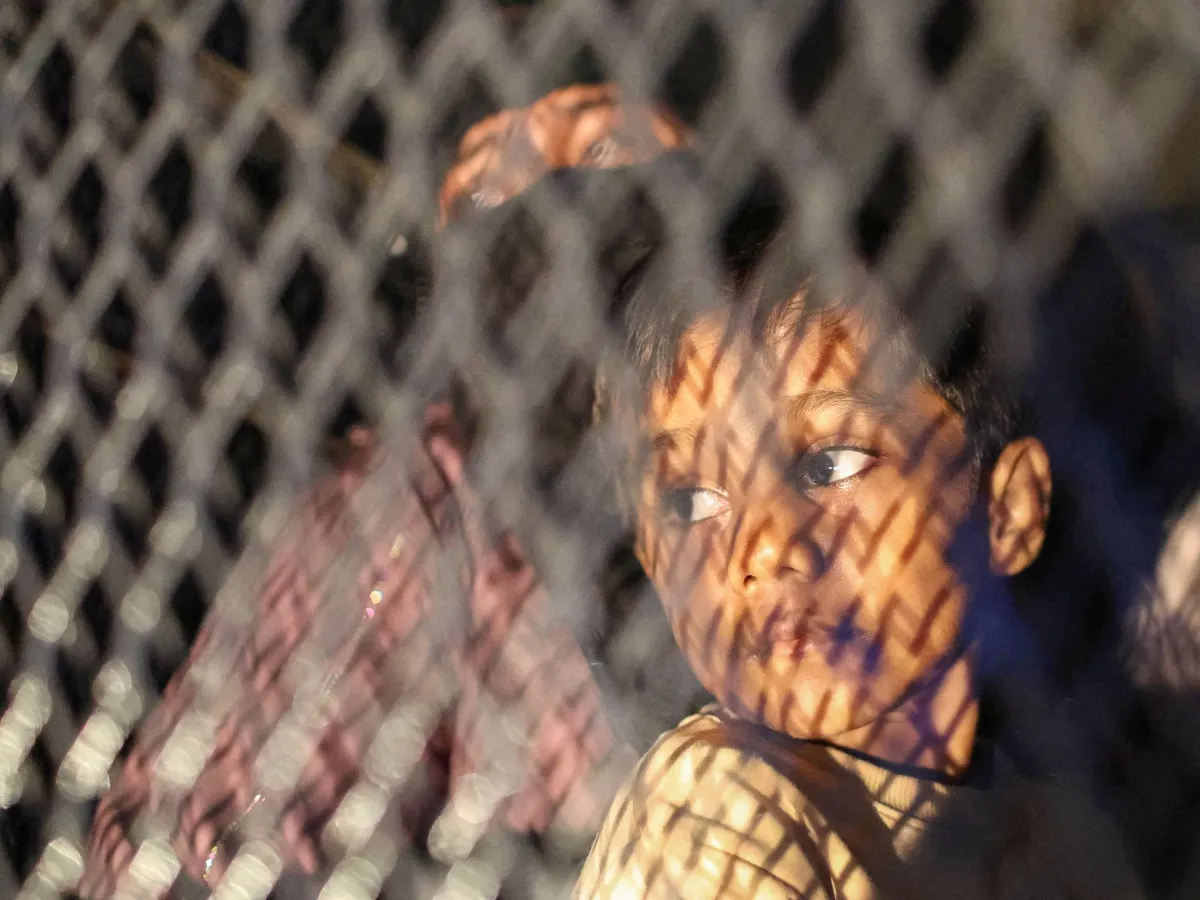
Al JazeeraFIG 01
Reading time
6min
Word count
1 482words
Sources cited
4cited
Entities identified
10entities
Quality score
100%
§ 01
Briefing Summary
AI-generatedNEWSAR · AI
Malaysia has deported nearly 1,500 refugees from Myanmar, part of a plan to send back at least 5,000 as part of a deal with Myanmar's military government. This action, occurring amid escalating immigration raids that have detained over 50,000 refugees this year, has instilled fear among the tens of thousands of other Myanmar nationals in Malaysia, particularly the Rohingya. Support groups report a sharp increase in daily raids since June, coinciding with a decline in resources for aid organizations following the closure of USAID in Malaysia and UNHCR funding cuts. While the initial deportation included ethnic minorities from Myanmar, the Rohingya remain a concern due to Myanmar's denial of their citizenship. Anti-refugee sentiment on social media has also intensified, with some raids appearing to target locations highlighted in such content.
Confidence 0.90Sources 4Claims 5Entities 10
§ 02
Article analysis
Model · rule-basedFraming
Human Rights
Human Interest
Tone
Mixed Tone
AI-assessed
CalmNeutralAlarmist
Factuality
0.70 / 1.00
Factual
LowHigh
Sources cited
4
Well sourced
FewMany
§ 03
Key claims
5 extracted01
Malaysia is home to over 215,000 refugees, with nearly 194,000 from Myanmar.
statisticUNHCR
Confidence
1.00
02
More than 10,000 Myanmar nationals are currently in Malaysia's immigration depots.
statisticMinistry of Home Affairs
Confidence
1.00
03
Refugee support groups report a sharp increase in raids, with up to 50 or more happening every day since June.
factualHeidy Quah, founder and executive director of Refuge for the Refugees
Confidence
1.00
04
Malaysia deported nearly 1,500 refugees as part of a plan to send back at least 5,000 refugees to Myanmar.
factualMalaysian government
Confidence
1.00
05
Rohingya refugees in Malaysia have been the target of widespread hate speech on social media.
factualAl Jazeera
Confidence
0.90
§ 04
Full report
6 min read · 1 482 words§ 05
Entities
10 identifiedKey playerOppositionContextPositiveNeutralNegative
People3
Organizations2
Locations4
Topics1
§ 06
Keywords & salience
10 termsmyanmar deportation
1.00
rohingya refugees
1.00
refugee support
0.90
malaysia
0.80
immigration raids
0.80
hostility towards refugees
0.70
statelessness
0.60
hate speech
0.50
unhcr
0.40
military government
0.40
§ 07
Topic connections
Interactive graph Network visualization showing 51 related topics
View Full Graph Person Organization Location Event|Click node to navigate|Edge numbers = shared articles