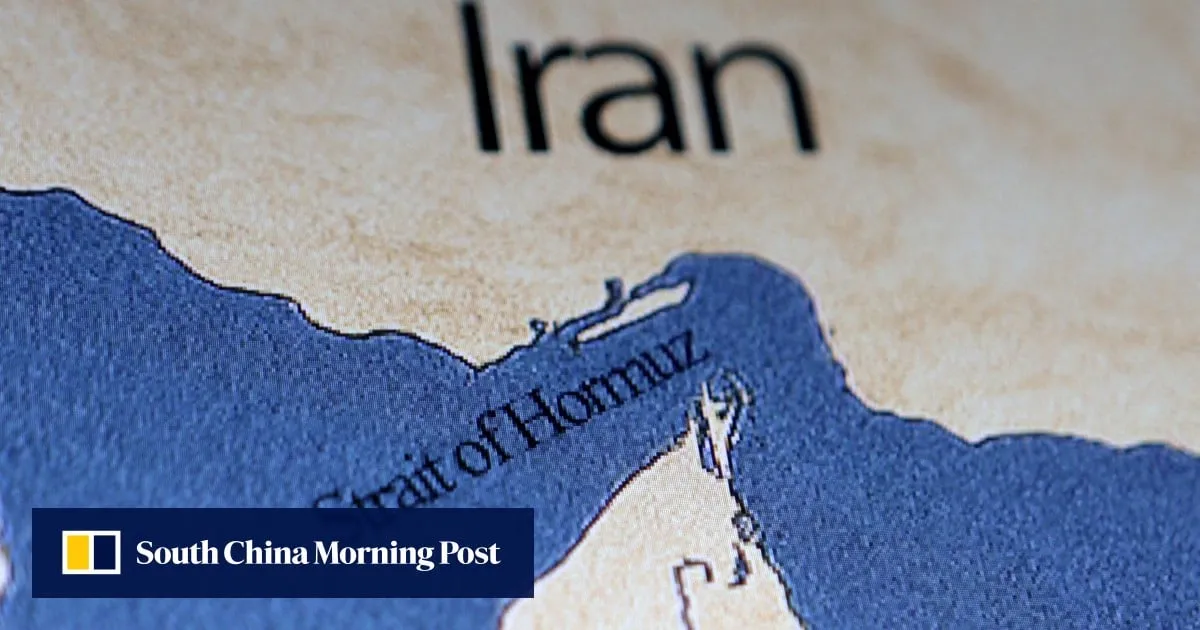
Oil prices surged by the most in four years on Monday as the killing of Iranian supreme leader Ayatollah Ali Khamenei amid a widening conflict between the United States, Israel and Iran brought tanker traffic through the Strait of Hormuz to a near standstill.Freight costs climbed sharply alongside crude, as traders swiftly priced in the war, which analysts say will have far-reaching consequences for Asia’s heavily import-dependent economies.Benchmark Brent crude jumped 13 per cent to a high above US$80 a barrel before settling around US$76 as of Monday morning in Hong Kong. West Texas Intermediate rose about 8 per cent to US$72 before easing to around US$67.The moves reflect both the immediate shock of Khamenei’s killing and deepening fears of a sustained supply disruption that could sharply inflate import bills for the world’s top energy consumers: China, India, Japan and South Korea among them.Iranian state media has confirmed that Khamenei was killed on Saturday morning by US-Israeli air strikes. Tehran responded with what analysts described as its most aggressive retaliation to date, striking US military bases in Bahrain, Kuwait and Qatar.“Iran has retaliated in a far more aggressive and expansive manner than in prior exchanges, targeting US military bases in the region and even conducting attacks on its key Gulf allies,” said Jorge Leon, senior vice-president and head of geopolitical analysis at Rystad Energy.
SRCSouth China Morning Post
LANGEN
LEANCenter-Right
WORDS224
ENT12
MON · 2026-03-02 · 06:03 GMTBRIEF NSR-2026-0302-20539
NSR-2026-0302-20539News Report·EN·Economic Impact
Asia faces oil shock as US-Iran war chokes Strait of Hormuz
Oil prices surged after the reported death of Iranian leader Ayatollah Ali Khamenei in US-Israeli air strikes, escalating conflict between the US, Israel, and Iran. The Strait of Hormuz, a critical oil transit route, experienced near standstill, impacting tanker traffic.
Biman MukherjiSouth China Morning PostFiled 2026-03-02 · 06:03 GMTLean · Center-RightRead · 1 min
South China Morning PostFIG 01
Reading time
1min
Word count
224words
Sources cited
1cited
Entities identified
12entities
Quality score
100%
§ 01
Briefing Summary
AI-generatedNEWSAR · AI
Oil prices surged after the reported death of Iranian leader Ayatollah Ali Khamenei in US-Israeli air strikes, escalating conflict between the US, Israel, and Iran. The Strait of Hormuz, a critical oil transit route, experienced near standstill, impacting tanker traffic. This disruption raised concerns about supply shortages and increased import costs, particularly for Asian economies like China, India, Japan, and South Korea, which heavily rely on oil imports. Benchmark Brent crude jumped significantly, reflecting market fears of sustained supply disruption. Iran retaliated with attacks on US military bases in Bahrain, Kuwait, and Qatar, further escalating geopolitical tensions in the region.
Confidence 0.90Sources 1Claims 5Entities 12
§ 02
Article analysis
Model · rule-basedFraming
Economic Impact
Conflict
Tone
Mixed Tone
AI-assessed
CalmNeutralAlarmist
Factuality
0.70 / 1.00
Factual
LowHigh
Sources cited
1
Limited
FewMany
§ 03
Key claims
5 extracted01
Benchmark Brent crude jumped 13 per cent to a high above US$80 a barrel before settling around US$76.
statistic
Confidence
1.00
02
Oil prices surged by the most in four years on Monday.
factual
Confidence
1.00
03
Iranian state media has confirmed that Khamenei was killed on Saturday morning by US-Israeli air strikes.
factualIranian state media
Confidence
0.90
04
Iran has retaliated in a far more aggressive and expansive manner than in prior exchanges.
quoteJorge Leon, Rystad Energy
Confidence
0.80
05
Killing of Iranian supreme leader Ayatollah Ali Khamenei brought tanker traffic through the Strait of Hormuz to a near standstill.
factual
Confidence
0.80
§ 04
Full report
1 min read · 224 words§ 05
Entities
12 identifiedKey playerOppositionContextPositiveNeutralNegative
§ 06
Keywords & salience
9 termsoil prices
0.90
us-iran war
0.90
strait of hormuz
0.80
supply disruption
0.70
energy consumers
0.60
asia
0.60
military bases
0.50
ayatollah ali khamenei
0.50
retaliation
0.40
§ 07
Topic connections
Interactive graph Network visualization showing 51 related topics
View Full Graph Person Organization Location Event|Click node to navigate|Edge numbers = shared articles