Human rights organisations, academics and writers have called on Ofcom to clarify what the high court ruling that the ban on Palestine Action was unlawful will mean for online platforms pending the home secretary’s appeal against the judgment.The Metropolitan Police have said that officers will no longer arrest people at protests who express support for the direct action group. But the signatories of a letter to Ofcom say it is unclear what it will mean for platforms which have duties to remove terrorist content under the Online Safety Act.Open Rights Group, Amnesty International UK, Big Brother Watch, Access Now and others have asked the communications regulator to clarify whether platforms are still expected to remove content. They also want to know how new duties to remove terrorist content will be implemented and whether content can be restored if the government loses its appeal.Sara Chitseko, the pre-crime programme manager at Open Rights Group, said: “The UK’s vague definition of terrorism and legal duties under the Online Safety Act already risk content being wrongly defined as illegal and removed. Now there is additional confusion over whether tech companies are targeting and removing online content relating to Palestine Action.“In light of the court’s judgment and commentary on freedom of expression, Ofcom need to provide immediate guidance to ensure that important public debates about Palestine are not being censored.”Last week, judges decided that the proscription order banning Palestine Action under anti-terrorism laws would remain in place pending Shabana Mahmood’s appeal against the high court’s decision. It means the legal position remains that content supportive of Palestine Action must be removed, when a platform finds it or it is reported to them.But the signatories to the letter, who also include Statewatch, Netpol, Article 19 and the forensic computer expert Duncan Campbell, urge Ofcom to follow in the footsteps of the Met by clarifying the situation pending the appeal. They say it will become an even more urgent issue if new requirements to proactively scan for illegal content, restrict livestreaming and suppress algorithms come into effect later this year as expected.The letter says the proscription of Palestine Action “raised serious concerns about the criminalisation of political expression” and there had been an escalation in content removals across platforms such as Instagram, TikTok and X, including the use of algorithms to hide Palestine solidarity posts, and cases in which people have faced police action for expressing political views online.It adds: “The high court ruling should be a turning point. It demonstrates how easily counter-terror powers and platform regulation can be used to silence debate and suppress dissent and how difficult it is to undo those harms once systems of censorship and surveillance are put in place.”When contacted by the Guardian, Ofcom did not directly address the situation pending the appeal. A spokesperson said: “We’ve provided detailed guidance to help platforms decide whether content is illegal under UK law, including how to determine whether content may have been posted by a proscribed organisation.“Under the act, people must be able to appeal against a platform’s decision to take down content – for example, if a proscription is lifted – and our codes of practice state that companies should reverse their decisions where appropriate and possible if appeals are successful.”
SRCThe Guardian - World News
LANGEN
LEANCenter-Left
WORDS540
ENT9
TUE · 2026-03-03 · 12:33 GMTBRIEF NSR-2026-0303-21015
NSR-2026-0303-21015News Report·EN·Legal & Judicial
Ofcom urged to clarify if Palestine Action content should still be removed online
Human rights organizations and academics are urging Ofcom to clarify the status of Palestine Action content online following a high court ruling that the group's ban was unlawful, despite the Home Secretary's appeal. While the Metropolitan Police will no longer arrest protestors supporting the group, it remains unclear if online platforms must still remove content under the Online Safety Act's terrorism provisions.
Haroon Siddique Legal affairs correspondentThe Guardian - World NewsFiled 2026-03-03 · 12:33 GMTLean · Center-LeftRead · 3 min
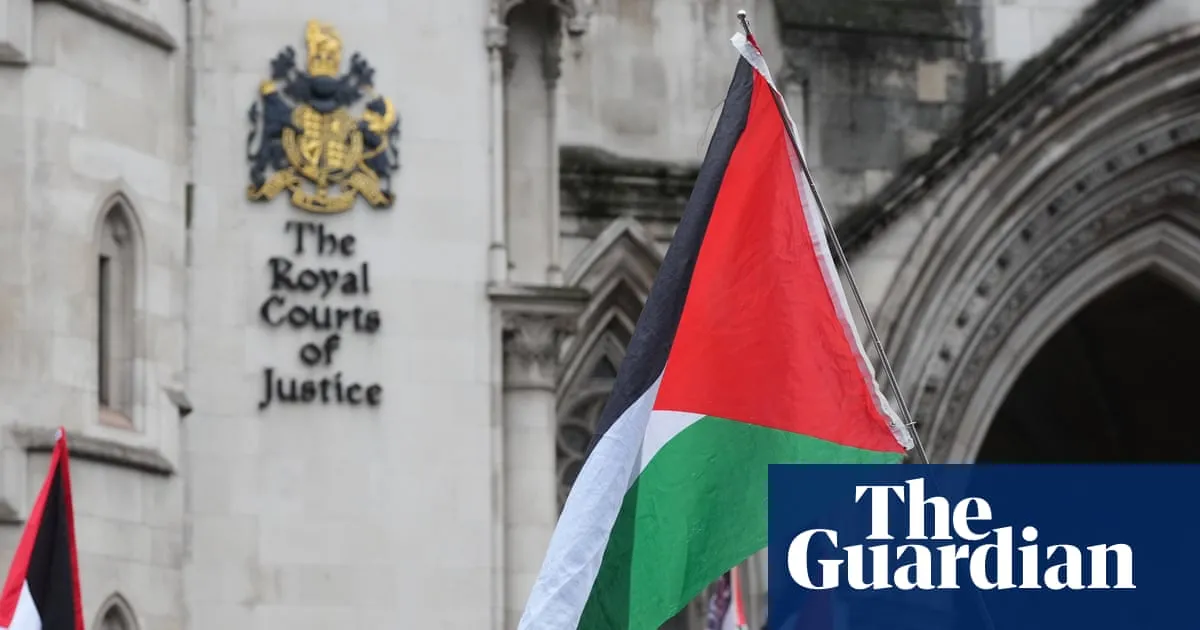
The Guardian - World NewsFIG 01
Reading time
3min
Word count
540words
Sources cited
8cited
Entities identified
9entities
Quality score
100%
§ 01
Briefing Summary
AI-generatedNEWSAR · AI
Human rights organizations and academics are urging Ofcom to clarify the status of Palestine Action content online following a high court ruling that the group's ban was unlawful, despite the Home Secretary's appeal. While the Metropolitan Police will no longer arrest protestors supporting the group, it remains unclear if online platforms must still remove content under the Online Safety Act's terrorism provisions. Organizations including Amnesty International and Open Rights Group have sent a letter to Ofcom requesting guidance on content removal expectations, implementation of new duties, and potential content restoration if the government loses its appeal. They express concern that vague terrorism definitions and legal duties risk wrongly removing content and censoring public debate about Palestine, especially with upcoming requirements for proactive scanning and algorithm suppression. The groups are asking Ofcom to clarify the situation pending the appeal, similar to the Met's stance.
Confidence 0.90Sources 8Claims 5Entities 9
§ 02
Article analysis
Model · rule-basedFraming
Legal & Judicial
Human Rights
Tone
Measured
AI-assessed
CalmNeutralAlarmist
Factuality
0.70 / 1.00
Factual
LowHigh
Sources cited
8
Well sourced
FewMany
§ 03
Key claims
5 extracted01
Judges decided that the proscription order banning Palestine Action would remain in place pending appeal.
factualArticle's own claim
Confidence
1.00
02
The Metropolitan police will no longer arrest people at protests who express support for Palestine Action.
factualMetropolitan police
Confidence
1.00
03
Human rights organisations have called on Ofcom to clarify the impact of the high court ruling on Palestine Action content removal.
factualArticle's own claim
Confidence
1.00
04
The UK’s vague definition of terrorism and legal duties under the Online Safety Act already risk content being wrongly defined as illegal.
quoteSara Chitseko, Open Rights Group
Confidence
0.90
05
The high court ruling demonstrates how easily counter-terror powers can be used to silence debate.
factualArticle's own claim (based on letter)
Confidence
0.70
§ 04
Full report
3 min read · 540 words§ 05
Entities
9 identifiedKey playerOppositionContextPositiveNeutralNegative
Organizations6
Locations1
§ 06
Keywords & salience
10 termspalestine action
1.00
online safety act
0.90
content removal
0.80
ofcom
0.80
freedom of expression
0.70
high court ruling
0.60
terrorism
0.60
proscription order
0.50
political expression
0.50
algorithms
0.40
§ 07
Topic connections
Interactive graph Network visualization showing 34 related topics
View Full Graph Person Organization Location Event|Click node to navigate|Edge numbers = shared articles