Iran has spurned two messages from Donald Trump’s special envoy, Steve Witkoff, seeking a ceasefire as its leaders sense it is not losing the war and the US president is at the minimum feeling the political pressure.The foreign minister, Abbas Araghchi, has further said a unilateral declaration from Trump that the US had won the war would not bring an end to the conflict. The implication is that even if the US announced a willingness to end its attacks, Iran might be willing to continue the conflict in some form, or keep its chokehold on shipping seeking to navigate the Strait of Hormuz.Iran believes there can be no end to the conflict until it believes Trump has been shown the economic, political and military cost is so high that it is not worth repeating. It is instead insisting on a permanent deal that includes a US commitment not to attack Iran again.“If a ceasefire is to be established or the war stopped there must be a guarantee that aggressive actions against Iran will not be repeated. Otherwise if another attack occurs after a few months such a ceasefire would be meaningless,” said Kazem Gharibabadi, the deputy foreign minister.The defiance is remarkable for a regime that at the start of the war 11 days ago was seeking little more than its own survival.Nevertheless, the foreign ministry in conversations with the large number of countries offering to mediate is exploring whether it is feasible for the war simply to stop as it did in June last year, or must end with some kind of pact that might include a conditional lifting of US economic sanctions.But the overall mood among Iranian regime figures is that it is going to survive and should not at this stage seek any agreement. It will come under intense diplomatic pressure at the UN Security Council on Wednesday when more than 80 nations will sponsor a Bahrain-sponsored resolution condemning Iran for its attacks on the Gulf States, but voicing no criticism of the US or Israel. Russia may sponsor a separate motion calling for a ceasefire.“We are absolutely NOT seeking a ceasefire,” the speaker of the parliament, Mohammed Ghalibaf, posted to social media. “Let the enemy know that whatever they do, there will certainly be a proportionate and immediate retaliation […] We are fighting eye for eye, tooth for tooth, without compromise or exception.”The Islamic Revolutionary Guards Corps (IRGC) has stressed that it will control the Strait of Hormuz, which carries nearly 20% of the world’s crude oil and about 20% of liquefied natural gas. “At the beginning of the war we announced and we announce again no vessel associated with aggressors against Iran has the right to pass through the Strait of Hormuz,” it said. “If you have doubts, come closer and find out.” The IRGC has also said it will allow ships though from countries that expel their US and Israeli ambassadors.Even the less militant president, Masoud Pezeshkian, sounded a defiant note arguing “the destroyers have come and gone. Iran remains.”Iranian diplomats argue that after two previous rounds of diplomatic talks being cut short by US-Israeli airstrikes, there is simply no basis to reach an agreement.Trump at his press conference on Monday night was meanwhile rehearsing the various arguments for a declaration of victory, possibly because the US had sufficiently damaged its ballistic missile launchers and nuclear programme that there was no need to continue the attack. But ultimately he refused to assert US victory was complete.Alex Vatanka, a senior fellow at the Middle East Institute, said: “The regime overall think they can stay in this war and it might actually legitimise them because otherwise they have been a disaster for the country.” He blamed some of Israel’s attacks on energy infrastructure – which sent clouds of black smoke through Tehran – for alienating Iranian opinion.“Over the course of 24 hours you could sense the shift in Iranian public opinion from a war against regime to a war on Iran,” he said.Emile Hokayem from the International Institute for Strategic Studies nevertheless pointed to Iran’s significant self-inflicted problems. “The regime is still standing but faced a massive issue of resources,” he said. “Where do the resources come from when you have lost your ability to export when Hormuz is closed because of your own threats when the region does not want to trade with you and the United Arab Emirates is considering to freeze its assets.”
SRCThe Guardian - World News
LANGEN
LEANCenter-Left
WORDS739
ENT12
TUE · 2026-03-10 · 20:01 GMTBRIEF NSR-2026-0310-23302
NSR-2026-0310-23302News Report·EN·Conflict
Iran is becoming more defiant in face of US-Israeli onslaught
In the face of ongoing conflict with the US and Israel, Iran has rejected ceasefire messages delivered by a US envoy, signaling a more defiant stance. Iranian officials insist on a permanent agreement that includes a US commitment to non-aggression, indicating a reluctance to end the conflict without guarantees against future attacks.
Patrick Wintour Diplomatic editorThe Guardian - World NewsFiled 2026-03-10 · 20:01 GMTLean · Center-LeftRead · 3 min
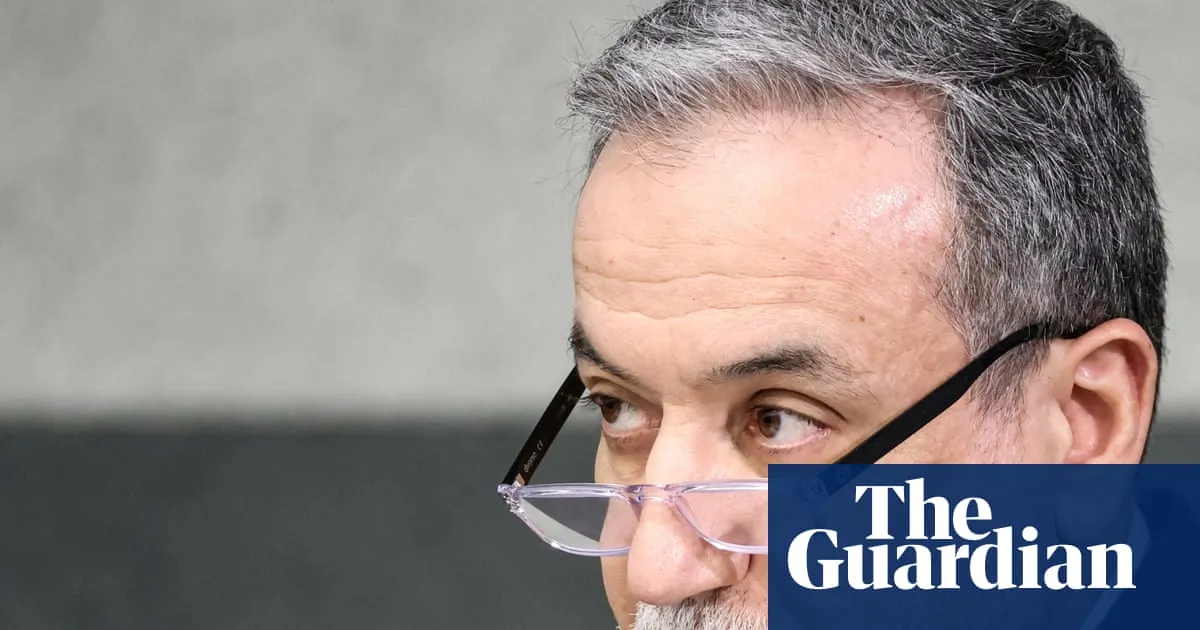
The Guardian - World NewsFIG 01
Reading time
3min
Word count
739words
Sources cited
6cited
Entities identified
12entities
Quality score
100%
§ 01
Briefing Summary
AI-generatedNEWSAR · AI
In the face of ongoing conflict with the US and Israel, Iran has rejected ceasefire messages delivered by a US envoy, signaling a more defiant stance. Iranian officials insist on a permanent agreement that includes a US commitment to non-aggression, indicating a reluctance to end the conflict without guarantees against future attacks. Despite international mediation efforts and upcoming UN Security Council pressure condemning Iran's actions, Iranian leadership asserts it is not seeking a ceasefire and vows retaliation for any attacks. The IRGC maintains its control over the Strait of Hormuz, a crucial global oil transit route. Iran's position has shifted from seeking survival at the conflict's start to demanding long-term security assurances.
Confidence 0.90Sources 6Claims 5Entities 12
§ 02
Article analysis
Model · rule-basedFraming
Conflict
Diplomatic
Tone
Mixed Tone
AI-assessed
CalmNeutralAlarmist
Factuality
0.70 / 1.00
Factual
LowHigh
Sources cited
6
Well sourced
FewMany
§ 03
Key claims
5 extracted01
A unilateral declaration from Trump that the US had won the war would not bring an end to the conflict.
quoteAbbas Araghchi, foreign minister
Confidence
1.00
02
The IRGC will control the strait of Hormuz, which carries nearly 20% of the world’s crude oil.
quoteIslamic Revolutionary Guards Corps (IRGC)
Confidence
0.90
03
More than 80 nations will sponsor a Bahrain-sponsored resolution condemning Iran at the UN.
factualnull
Confidence
0.90
04
Iran has spurned two messages from Donald Trump’s special envoy, Steve Witkoff, seeking a ceasefire.
factualnull
Confidence
0.90
05
There can be no end to the conflict until Trump has been shown the economic, political and military cost is too high.
factualnull
Confidence
0.80
§ 04
Full report
3 min read · 739 words§ 05
Entities
12 identifiedKey playerOppositionContextPositiveNeutralNegative
People5
Organizations2
§ 06
Keywords & salience
9 termsiran
1.00
us
0.90
conflict
0.80
ceasefire
0.80
strait of hormuz
0.60
economic sanctions
0.60
retaliation
0.50
diplomatic pressure
0.50
aggression
0.40
§ 07
Topic connections
Interactive graph Network visualization showing 51 related topics
View Full Graph Person Organization Location Event|Click node to navigate|Edge numbers = shared articles