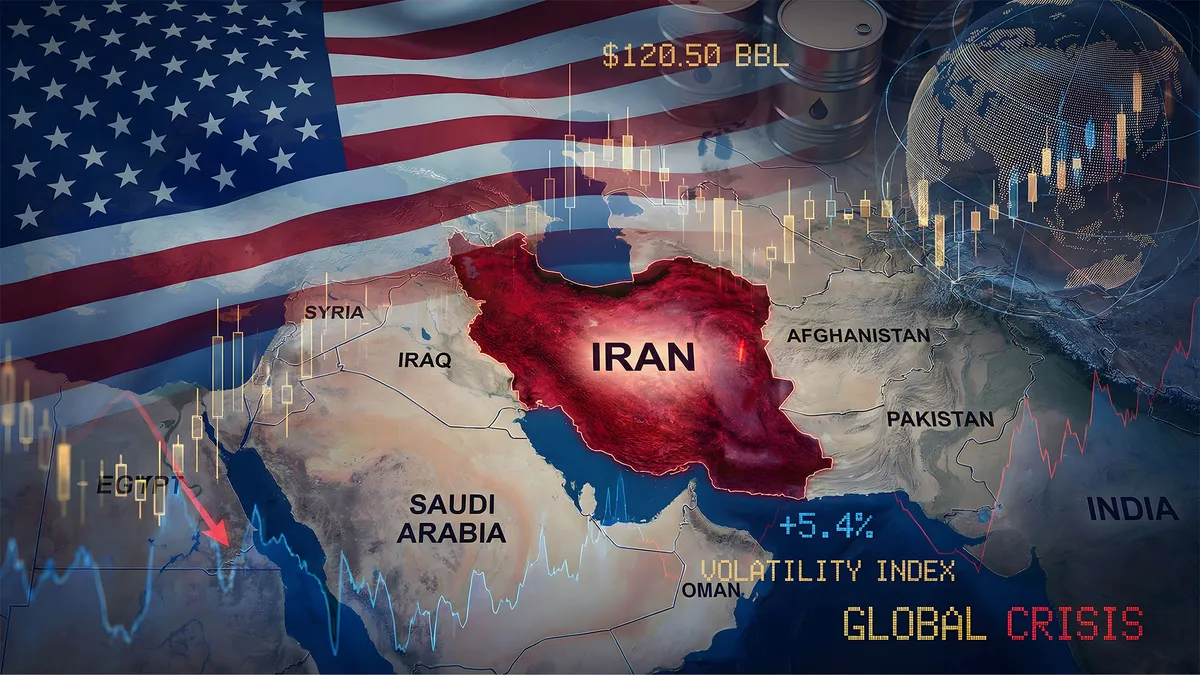
Counting the CostAs oil prices surge, some economies benefit while others face rising costs.The war in the Middle East is exposing how dependent the world is on a handful of strategic chokepoints.The Strait of Hormuz – a narrow waterway in the Gulf – is closed.The longer this goes on, the faster the global energy map could be reshaped.From Europe to Asia, countries are facing mounting supply risks and the threat of an inflation shock.If the conflict between the US, Israel and Iran drags on, alternatives will be hard to find.But, Russia is shaping up to be a major beneficiary, with soaring prices filling Moscow’s coffers despite Western sanctions.Published On 12 Mar 2026
SRCAl Jazeera
LANGEN
LEANCenter
WORDS112
ENT9
THU · 2026-03-12 · 11:32 GMTBRIEF NSR-2026-0312-23865
NSR-2026-0312-23865News Report·EN·Economic Impact
Who wins and loses in the global energy crisis?
The global energy crisis, exacerbated by conflict in the Middle East as of March 12, 2026, is creating winners and losers worldwide. With strategic chokepoints like the Strait of Hormuz potentially closed, countries in Europe and Asia face increased supply risks and inflation.
Al JazeeraFiled 2026-03-12 · 11:32 GMTLean · CenterRead · 1 min
Al JazeeraFIG 01
Reading time
1min
Word count
112words
Sources cited
0cited
Entities identified
9entities
Quality score
100%
§ 01
Briefing Summary
AI-generatedNEWSAR · AI
The global energy crisis, exacerbated by conflict in the Middle East as of March 12, 2026, is creating winners and losers worldwide. With strategic chokepoints like the Strait of Hormuz potentially closed, countries in Europe and Asia face increased supply risks and inflation. The conflict involving the US, Israel, and Iran threatens to disrupt established energy routes, making alternatives difficult to secure. Russia is positioned to benefit significantly from rising oil prices, bolstering its economy despite existing Western sanctions. The longer the conflict persists, the more drastically the global energy landscape is expected to change.
Confidence 0.85Claims 5Entities 9
§ 02
Article analysis
Model · rule-basedFraming
Economic Impact
Conflict
Tone
Mixed Tone
AI-assessed
CalmNeutralAlarmist
Factuality
0.60 / 1.00
Mixed
LowHigh
Sources cited
0
No named sources
FewMany
§ 03
Key claims
5 extracted01
The Strait of Hormuz is closed.
factual
Confidence
0.90
02
Oil prices are surging, benefiting some economies while increasing costs for others.
factual
Confidence
0.90
03
The world is dependent on a handful of strategic chokepoints for energy.
factual
Confidence
0.80
04
Countries face mounting supply risks and the threat of an inflation shock.
factual
Confidence
0.70
05
Russia is shaping up to be a major beneficiary of the energy crisis.
prediction
Confidence
0.60
§ 04
Full report
1 min read · 112 words§ 05
Entities
9 identifiedKey playerOppositionContextPositiveNeutralNegative
§ 06
Keywords & salience
9 termsglobal energy crisis
1.00
oil prices
0.80
supply risks
0.70
inflation shock
0.70
strait of hormuz
0.60
strategic chokepoints
0.60
middle east
0.50
russia
0.50
western sanctions
0.50
§ 07
Topic connections
Interactive graph Network visualization showing 51 related topics
View Full Graph Person Organization Location Event|Click node to navigate|Edge numbers = shared articles