Daniel Gech looks at prices on a board at a Sokimex petrol station in Phnom Penh and winces. Four weeks into the war in the Middle East, the ripple effects of a faraway conflict are beginning to threaten the Cambodian teenager’s ability to earn and learn.The 16-year-old hustles on his moped between his home and school, followed by an evening job and back. It now costs him an extra US$2 a day to fill up his tank – or US$14 a week – and the price is rising, a significant surge in a country where the average wage is just over US$10 a day.“The prices started to go up immediately after the war started,” he said, as he made a QR payment on Sunday morning for a litre of fuel that cost 5,400 Cambodian riel (US$1.34), 2,000 riel higher than before the war.“It’s too much already, and it’s getting worse each day.”Southeast Asia is dangerously exposed to the throttling of the Strait of Hormuz by Iran, which has weaponised global energy supply in an asymmetrical response to the devastating military assaults by the US and Israel.The combatants have made shrill threats to target energy facilities across the Gulf as the war rages on into its fourth week. The price of Brent Crude has oscillated between US$100 and US$110 per barrel in recent weeks, or 20 per cent higher than before Israeli and American jets began bombing Iran on February 28.
SRCSouth China Morning Post
LANGEN
LEANCenter-Right
WORDS240
ENT12
MON · 2026-03-23 · 11:14 GMTBRIEF NSR-2026-0323-30471
NSR-2026-0323-30471News Report·EN·Economic Impact
Why Southeast Asian nations are vulnerable to the fuel crisis as Iran war rages on
The war in the Middle East is causing rising fuel prices in Southeast Asia, impacting individuals like Cambodian teenager Daniel Gech, who relies on affordable fuel for work and school. Fuel prices in Cambodia have already risen significantly since the conflict began, adding to the financial strain on citizens earning just over $10 a day.
Aidan JonesSouth China Morning PostFiled 2026-03-23 · 11:14 GMTLean · Center-RightRead · 1 min
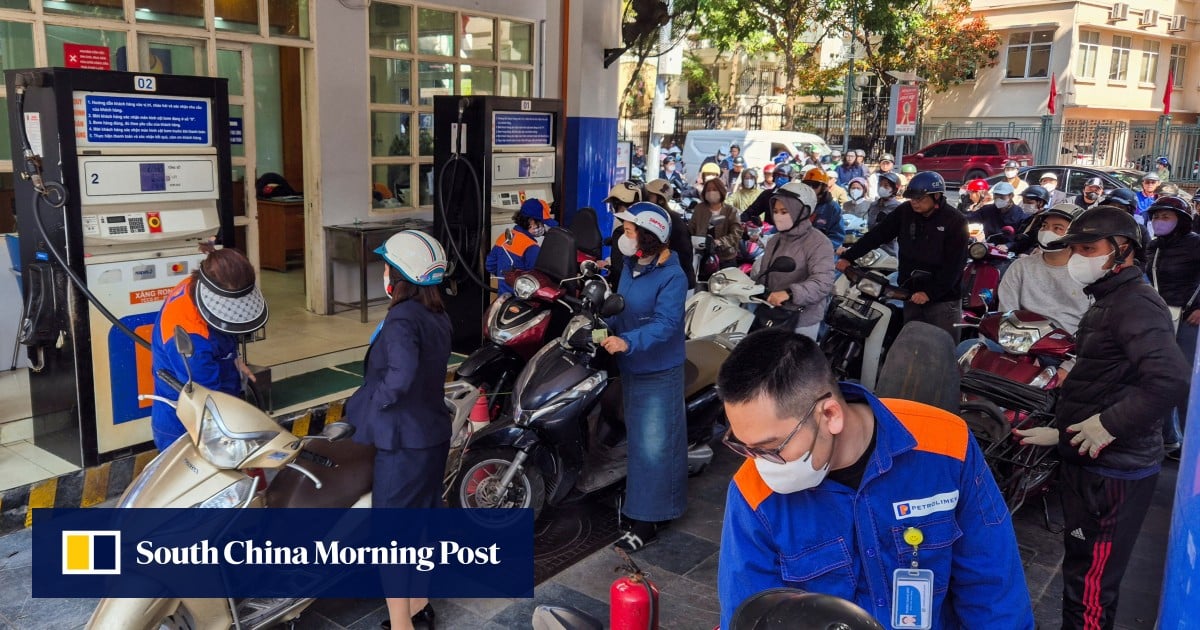
South China Morning PostFIG 01
Reading time
1min
Word count
240words
Sources cited
1cited
Entities identified
12entities
Quality score
100%
§ 01
Briefing Summary
AI-generatedNEWSAR · AI
The war in the Middle East is causing rising fuel prices in Southeast Asia, impacting individuals like Cambodian teenager Daniel Gech, who relies on affordable fuel for work and school. Fuel prices in Cambodia have already risen significantly since the conflict began, adding to the financial strain on citizens earning just over $10 a day. Southeast Asia is vulnerable because of its reliance on the Strait of Hormuz for energy supplies, which Iran has threatened to disrupt. Brent crude oil prices have increased by 20% since the start of the conflict, further exacerbating the situation for Southeast Asian nations. The conflict's potential to disrupt global energy supplies poses a significant threat to the region's economic stability.
Confidence 0.90Sources 1Claims 5Entities 12
§ 02
Article analysis
Model · rule-basedFraming
Economic Impact
Conflict
Tone
Mixed Tone
AI-assessed
CalmNeutralAlarmist
Factuality
0.70 / 1.00
Factual
LowHigh
Sources cited
1
Limited
FewMany
§ 03
Key claims
5 extracted01
Brent crude has oscillated between US$100 and US$110 per barrel in recent weeks.
factual
Confidence
1.00
02
Daniel Gech spends an extra US$2 a day on fuel.
factual
Confidence
1.00
03
The price of Brent crude is 20 per cent higher than before Israeli and American jets began bombing Iran on February 28.
factual
Confidence
0.90
04
Fuel prices in Cambodia have risen since the start of the war in the Middle East.
quoteDaniel Gech
Confidence
0.90
05
Southeast Asia is dangerously exposed to the throttling of the Strait of Hormuz by Iran.
prediction
Confidence
0.60
§ 04
Full report
1 min read · 240 words§ 05
Entities
12 identifiedKey playerOppositionContextPositiveNeutralNegative
Organizations2
§ 06
Keywords & salience
8 termsfuel crisis
0.90
iran war
0.80
southeast asia
0.80
energy supply
0.70
oil prices
0.60
strait of hormuz
0.60
economic impact
0.50
cambodia
0.40
§ 07
Topic connections
Interactive graph Network visualization showing 51 related topics
View Full Graph Person Organization Location Event|Click node to navigate|Edge numbers = shared articles