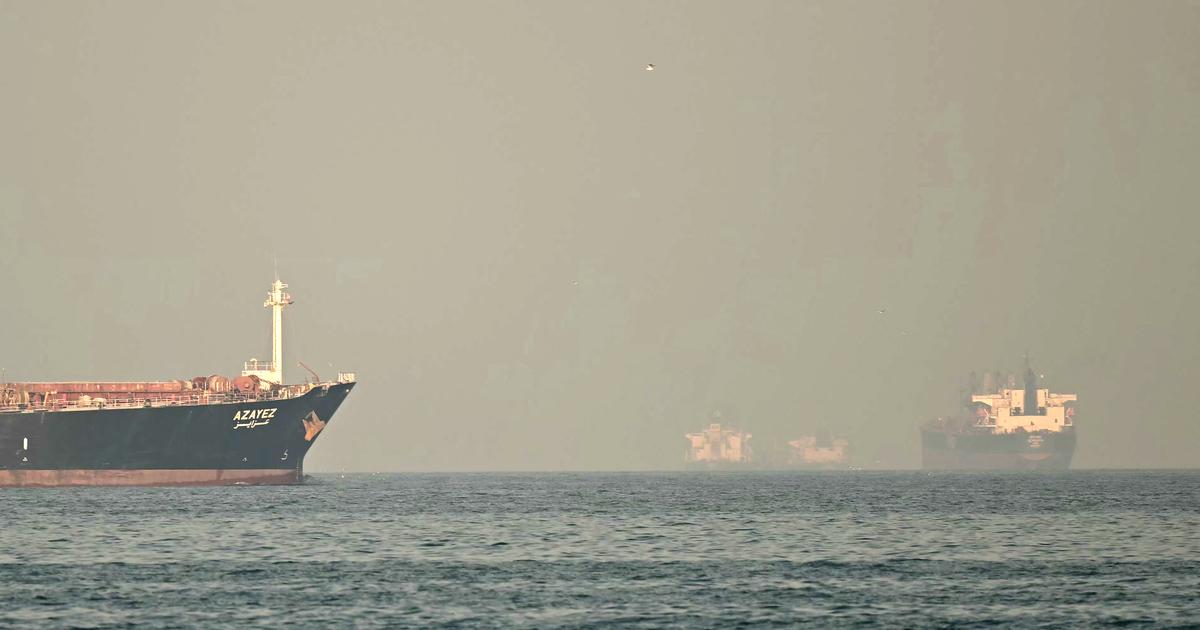
Le 25 mars 2026 à 14h55 Près de 20% des hydrocarbures mondiaux transitent habituellement par le détroit d’Ormuz. GIUSEPPE CACACE / AFP DÉCRYPTAGE - L’Iran a annoncé mardi autoriser le passage de certains navires dans le détroit d’Ormuz, quasi paralysé depuis le début du conflit au Moyen-Orient. Derrière ce signal de bonne volonté, les incertitudes restent nombreuses. Le Figaro fait le point en cinq questions. Passer la publicité Après plus de trois semaines de conflit au Moyen-Orient et de blocage du détroit d’Ormuz, l’Iran a annoncé mardi 24 mars autoriser le passage des «navires non hostiles» dans cette artère, par laquelle transitent habituellement près de 20% des hydrocarbures mondiaux. Une ouverture très encadrée, annoncée dans une lettre de Téhéran à l’Organisation maritime internationale (OMI), qui a immédiatement fait réagir les marchés, le baril de pétrole Brent chutant de près de 6% mercredi matin. Mais derrière ce signal, les incertitudes restent nombreuses. Le Figaro fait le point sur la situation à travers cinq questions. Cet article est réservé aux abonnés. Il vous reste 91% à découvrir. Vous avez envie de lire la suite ? Débloquez tous les articles immédiatement. Déjà abonné ? Connectez-vous Navires autorisés, impact sur le pétrole... Cinq questions pour tout comprendre à la réouverture partielle du détroit d’Ormuz annoncée par l’Iran S'ABONNER Donald Trump cherche à négocier avec Téhéran tout en envoyant des renforts militaires dans le Golfe DÉCRYPTAGE - Les pourparlers avec l’Iran pourraient commencer cette semaine mais semblent moins avancés que ce qu’annonce le président américain, qui envoie par ailleurs de nouvelles troupes terrestres dans la région. Guerre au Moyen-Orient : pourquoi le Pakistan émerge comme médiateur entre les États-Unis et l’Iran ENTRETIEN - Selon la presse américaine, Islamabad a joué un rôle d’intermédiaire pour résoudre le conflit au Moyen-Orient, en transmettant la proposition de paix des Américains aux Iraniens - avant que ces derniers ne la refusent. « Tout le monde a été surpris » : quand Donald Trump perd le contrôle du pétrole, sa ressource fétiche DÉCRYPTAGE - Le choc créé sur les marchés mondiaux du pétrole semble avoir pris par surprise l’Administration américaine, qui multiplie les mesures d’urgence pour enrayer la hausse des cours, alors que le détroit d’Ormuz est toujours fermé. « Le pire est à venir » : Israël s’empare du Sud-Liban pour éradiquer le Hezbollah RÉCIT - Malgré les annonces de négociation avec l’Iran, Israël accentue sa pression au Liban, affirmant s’inspirer de son expérience, revendiquée, à Gaza. Dans leurs tunnels, les « guérilleros » kurdes iraniens attendent leur heure DÉCRYPTAGE - Les combattants du Parti pour une vie libre au Kurdistan (Pjak) se cachent dans les montagnes du nord-est de l’Irak et rêvent de contribuer à la chute du régime des mollahs. L’éditorial de Philippe Gélie : « Guerre en Iran, la diplomatie magique de Donald Trump » Les derniers zigzags du président américain montrent qu’il n’aborde pas nécessairement la phase diplomatique du conflit en position de force, malgré les coups portés à l’Iran depuis près d’un mois. Donald Trump évoque des négociations et cherche une sortie à sa guerre en Iran DÉCRYPTAGE - Le président américain, qui multiplie les déclarations contradictoires, assure que des contacts sont pris avec Téhéran, jouant la diplomatie sans renoncer à la force. Après l’attaque contre des ambulances de la communauté juive, le Royaume-Uni s’alarme d’une flambée de l’antisémitisme Sur fond d’hostilité croissante, la ministre de l’Intérieur Shabana Mahmood estime que les Juifs britanniques vivent dans la peur et sont contraints de dissimuler leur foi. Bruno Tertrais : «Mal préparée sur tous les plans, sans voies de sortie évidentes, la guerre d’Iran de Donald Trump est sans queue ni tête» ENTRETIEN - Après la décision de Donald Trump de repousser à la fin de la semaine l’éventuelle destruction des infrastructures énergétiques iraniennes, le directeur adjoint de la Fondation pour la recherche stratégique estime que «les États-Unis sont beaucoup plus isolés qu’en 2003 contre l’Irak». De Tokyo à Téhéran : 80 ans de changements de régime par les États-Unis RÉCIT - Si l’offensive israélo-américaine en Iran n’a pas officiellement pour but un changement de régime, elle s’inscrit dans une série de précédents qui remontent à la Seconde Guerre mondiale et qui ont vu les Américains y prétendre, avec des résultats contrastés.
SRCLe Figaro
LANGFR
LEANCenter-Right
WORDS706
ENT10
WED · 2026-03-25 · 13:55 GMTBRIEF NSR-2026-0325-35046
NSR-2026-0325-35046News Report·FR·Economic Impact
Navires autorisés, impact sur le pétrole... Cinq questions pour tout comprendre à la réouverture partielle du détroit d’Ormuz annoncée par l’Iran
L'Iran a annoncé le 24 mars 2026 la réouverture partielle du détroit d'Ormuz, une voie maritime cruciale pour le transport d'environ 20% des hydrocarbures mondiaux, après plus de trois semaines de blocage dû au conflit au Moyen-Orient. Téhéran autorise désormais le passage des "navires non hostiles", une décision communiquée à l'Organisation maritime internationale (OMI).
Par Emma Confrère et Louise de MaisonneuveLe FigaroFiled 2026-03-25 · 13:55 GMTLean · Center-RightRead · 3 min
Le FigaroFIG 01
Reading time
3min
Word count
706words
Sources cited
0cited
Entities identified
10entities
Quality score
100%
§ 01
Briefing Summary
AI-generatedNEWSAR · AI
L'Iran a annoncé le 24 mars 2026 la réouverture partielle du détroit d'Ormuz, une voie maritime cruciale pour le transport d'environ 20% des hydrocarbures mondiaux, après plus de trois semaines de blocage dû au conflit au Moyen-Orient. Téhéran autorise désormais le passage des "navires non hostiles", une décision communiquée à l'Organisation maritime internationale (OMI). Cette annonce a provoqué une réaction immédiate sur les marchés, entraînant une chute du prix du pétrole Brent. Malgré ce signal, de nombreuses incertitudes persistent quant aux modalités et aux implications de cette réouverture partielle. L'article du Figaro se propose d'analyser la situation à travers cinq questions clés.
Confidence 0.90Claims 4Entities 10
§ 02
Article analysis
Model · rule-basedFraming
Economic Impact
Political Strategy
Tone
Measured
AI-assessed
CalmNeutralAlarmist
Factuality
0.70 / 1.00
Factual
LowHigh
Sources cited
0
No named sources
FewMany
§ 03
Key claims
4 extracted01
The price of Brent crude oil fell by nearly 6% on Wednesday morning.
factual
Confidence
1.00
02
Nearly 20% of the world's hydrocarbons usually pass through the Strait of Hormuz.
statistic
Confidence
1.00
03
Iran announced it would allow passage of 'non-hostile ships' through the Strait of Hormuz.
factualIran
Confidence
1.00
04
The Strait of Hormuz has been almost paralyzed since the beginning of the conflict in the Middle East.
factual
Confidence
0.90
§ 04
Full report
3 min read · 706 words§ 05
Entities
10 identifiedKey playerOppositionContextPositiveNeutralNegative
Organizations2
§ 06
Keywords & salience
8 termsdétroit d’ormuz
1.00
iran
0.90
pétrole
0.80
hydrocarbures
0.70
conflit au moyen-orient
0.60
réouverture partielle
0.50
navires
0.50
marchés mondiaux
0.40
§ 07
Topic connections
Interactive graph Network visualization showing 50 related topics
View Full Graph Person Organization Location Event|Click node to navigate|Edge numbers = shared articles