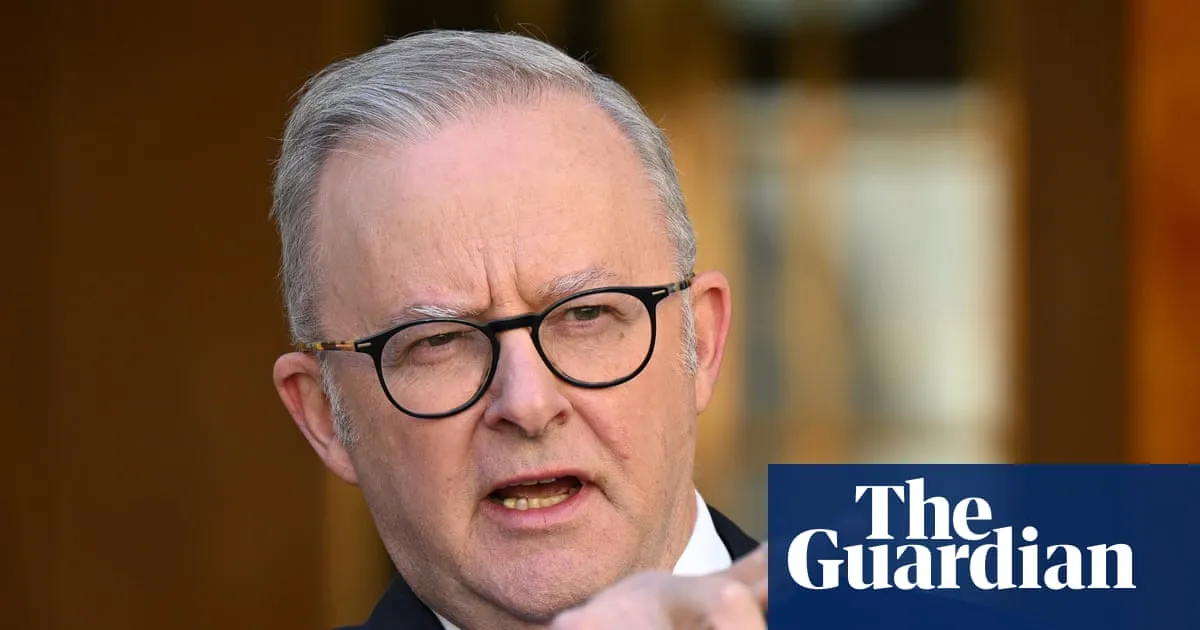
Prime minister Anthony Albanese has cut the fuel excise for three months, saving 26c a litre, but it will primarily benefit wealthier households. Photograph: Lukas Coch/AAP View image in fullscreen Prime minister Anthony Albanese has cut the fuel excise for three months, saving 26c a litre, but it will primarily benefit wealthier households. Photograph: Lukas Coch/AAP Analysis Did Anthony Albanese just cement a third interest rate hike in May by cutting the fuel excise? Patrick Commins Injecting $1.5bn via petrol subsidies into an inflated economy may change things for the Reserve Bank board at its next meeting Follow our Australia news live blog for latest updates Get our breaking news email, free app or daily news podcast Economists will say that what millions of motorists gain in cheaper fuel through the prime minister’s three-month fuel excise cut, they will lose in more expensive mortgages. It may be good politics, but injecting $1.5bn via petrol subsidies into an economy that is already struggling with a resurgent inflationary problem is not going to make the Australia" class="entity-link entity-organization" data-entity-id="3046" data-entity-type="organization">Reserve Bank of Australia’s job any easier. Jim Chalmers says halving the 52.6c a litre fuel tax for three months will save a motorist $19 at the bowser on a 65-litre tank – and much more for those driving the ubiquitous gas-guzzling utes. But set this against the fact that a rate hike increases the monthly interest payment on a $600,000 mortgage by $91 a month. You’d need to fill up that tank more than once a week to win in that scenario. Scott Morrison was the last PM to halve the petrol excise, for six months from 30 March 2022 after Russian’s invasion of Ukraine triggered a global energy market meltdown. It’s hard to say how much the excise cut delivered almost exactly four years ago contributed to that year’s historic inflationary outbreak, and the breakneck RBA rate hikes that followed. The two periods aren’t comparable. In 2022 the economy was bouncing back from the Covid pandemic lockdowns, turbocharged and overgenerous fiscal and monetary stimulus. Which raises another question more pertinent to today’s crisis: does this fuel excise cut bring forward the date of potential fuel rationing? Making petrol cheaper will surely add to demand at a time when we are overwhelmingly worried we might not have enough of the stuff. Chris Bowen, the energy minister, has been at pains to say that we have as much fuel as ever in the country. Bowen says the shortages are the result of a doubling in consumption as Australians rush out to fill up, and in some cases, hoard petrol. So if we have a demand problem and not a supply issue, adding to demand will … make that problem better? There are also other well-established issues with cutting the fuel excise. We know that most of that $1.5bn will go to middle to higher income households, so there’s also a distributional issue at play here. Would the government have been better off delivering more targeted support to poorer households, who bear the brunt of higher petrol costs? Economists at the e61 Institute say yes, it would. They calculated that the top 20% of earners would receive 25% of the benefits from a fuel subsidy – despite not needing it. “Everyone receives the benefit, even households and perhaps businesses that we might think that the government shouldn’t be supporting at this time,” Adit Maitra from e61 told Guardian Australia last week. ANU researchers came to the same conclusion when assessing Peter Dutton’s pre-election promise to halve the excise in 2025. Longer term, we need to be transitioning away from our dependence on fossil fuel, and price signals play a major role in changing behaviour that gets us toward a greener future. There’s overseas evidence that every 1% increase in petrol prices boosts demand for electric vehicles by 0.85%. There’s no doubt that many Australians feel under the pump and will welcome any help with the cost of living. But it’s far from clear that making fuel cheaper right now is the right answer. Explore more on these topics Petrol prices Australian economy Interest rates Australia" class="entity-link entity-organization" data-entity-id="3046" data-entity-type="organization">Reserve Bank of Australia Anthony Albanese Jim Chalmers Australian politics analysis Share Reuse this content
SRCThe Guardian - World News
LANGEN
LEANCenter-Left
WORDS701
ENT4
MON · 2026-03-30 · 04:15 GMTBRIEF NSR-2026-0330-42734
NSR-2026-0330-42734Analysis·EN·Economic Impact
Did Anthony Albanese just cement a third interest rate hike in May by cutting the fuel excise?
Australia's Prime Minister Anthony Albanese's decision to cut the fuel excise is projected to inject $1.5 billion into the economy over three months. Economists predict that while motorists will benefit from cheaper fuel, the move could exacerbate inflation.
Patrick ComminsThe Guardian - World NewsFiled 2026-03-30 · 04:15 GMTLean · Center-LeftRead · 3 min
The Guardian - World NewsFIG 01
Reading time
3min
Word count
701words
Sources cited
0cited
Entities identified
4entities
Quality score
100%
§ 01
Briefing Summary
AI-generatedNEWSAR · AI
Australia's Prime Minister Anthony Albanese's decision to cut the fuel excise is projected to inject $1.5 billion into the economy over three months. Economists predict that while motorists will benefit from cheaper fuel, the move could exacerbate inflation. This injection of funds into an already inflated economy may prompt the Reserve Bank of Australia to raise interest rates at its next meeting. The fuel excise cut, intended to provide economic relief, could therefore lead to higher mortgage costs for Australians. The article suggests the policy may be politically beneficial but could complicate the Reserve Bank's efforts to manage inflation.
Confidence 0.85Claims 4Entities 4
§ 02
Article analysis
Model · rule-basedFraming
Economic Impact
Political Strategy
Tone
Measured
AI-assessed
CalmNeutralAlarmist
Factuality
0.40 / 1.00
Mixed
LowHigh
Sources cited
0
No named sources
FewMany
§ 03
Key claims
4 extracted01
Millions of motorists will gain in cheaper fuel through the prime minister’s three-month fuel excise cut.
factualnull
Confidence
0.90
02
Injecting $1.5bn via petrol subsidies into an economy struggling with inflation won't make the RBA's job easier.
predictionnull
Confidence
0.80
03
Injecting $1.5bn via petrol subsidies into an inflated economy may change things for the Reserve Bank board.
predictionnull
Confidence
0.70
04
Millions of motorists will lose in more expensive mortgages.
predictionnull
Confidence
0.60
§ 04
Full report
3 min read · 701 words§ 05
Entities
4 identifiedKey playerOppositionContextPositiveNeutralNegative
Locations1
§ 06
Keywords & salience
7 termsinterest rate hike
0.90
fuel excise cut
0.80
inflation
0.70
reserve bank
0.60
petrol subsidies
0.60
economy
0.50
mortgages
0.50
§ 07
Topic connections
Interactive graph Network visualization showing 51 related topics
View Full Graph Person Organization Location Event|Click node to navigate|Edge numbers = shared articles