Spare a thought for investors seeking shelter from the energy shock caused by the war in Iran. There are no sanctuaries. Government bonds, a traditional beneficiary of a flight to safety, have fallen in response to fears central banks will be forced to raise interest rates to combat a surge in inflation. Even gold, long viewed as a refuge in times of geopolitical uncertainty, has fallen about 15 per cent this month following a blistering rally.The safe haven credentials of Dubai have taken a harder knock. Previously an island of stability in one of the most dangerous areas of the world, the financial hub has been a target of Iran’s missile and drone attacks, calling into question its ability to attract talent and dealing a severe blow to its tourism industry.However, the impact of the energy shock is most acute in Asia. Before the war, the region’s four largest economies – China, India, Japan and South Korea – accounted for 75 per cent of oil and 59 per cent of liquefied natural gas (LNG) flows through the Strait of Hormuz.Japan is particularly vulnerable. Nearly all its oil consumption is met by imports, with the Middle East accounting for 96 per cent of supplies. Nomura ranks Japan as Asia’s fifth most exposed economy to the energy shock.The war could not come at a worse time for Japan. Prime Minister Sanae Takaichi’s fiscal stimulus package and her resistance to further rises in borrowing costs have spooked bond markets. Traditionally a safe haven currency, the yen has become a gauge of the vulnerability of Japan’s economy, plunging more than 30 per cent against the US dollar since February 2022 to its lowest level since 1986.The weakness of the yen has amplified the impact of external shocks by increasing the cost of raw materials, food and energy. Construction costs have increased by about a third since the eruption of the Covid-19 pandemic, exacerbated by acute labour shortages.
SRCSouth China Morning Post
LANGEN
LEANCenter-Right
WORDS323
ENT11
MON · 2026-03-30 · 08:30 GMTBRIEF NSR-2026-0330-42988
NSR-2026-0330-42988Analysis·EN·Economic Impact
Japan’s property market is well placed to withstand Iran war energy shock
The article discusses the impact of a hypothetical war in Iran and its resulting energy shock on global markets, particularly in Asia. It notes that traditional safe haven assets like government bonds and gold have not provided shelter, and Dubai's stability is threatened.
Nicholas SpiroSouth China Morning PostFiled 2026-03-30 · 08:30 GMTLean · Center-RightRead · 2 min
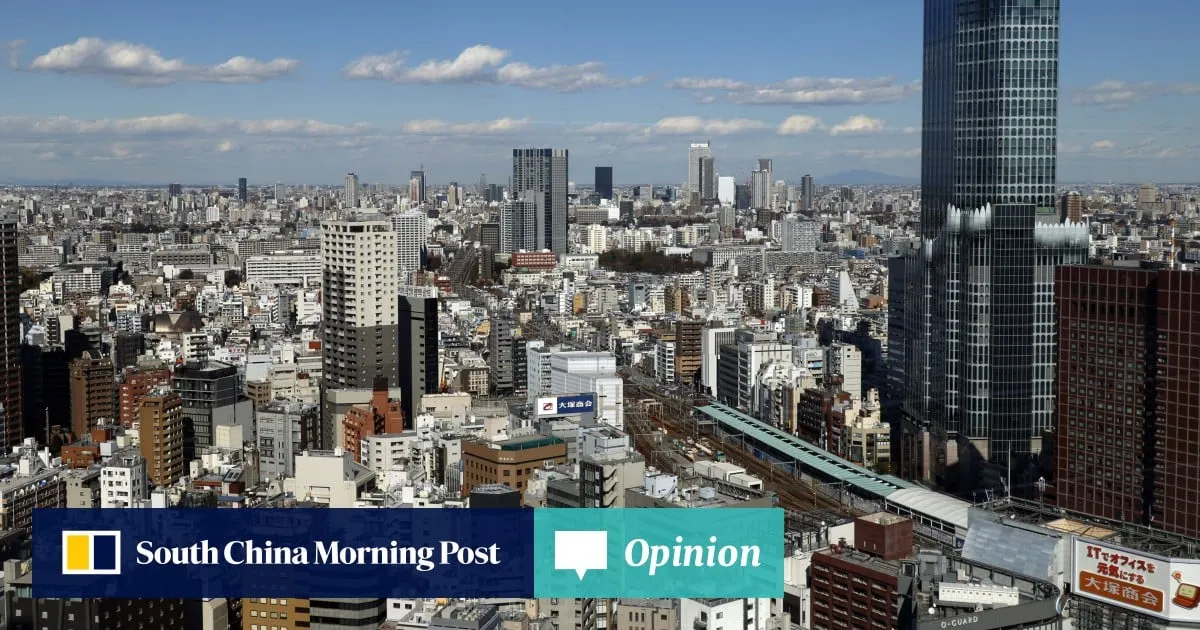
South China Morning PostFIG 01
Reading time
2min
Word count
323words
Sources cited
1cited
Entities identified
11entities
Quality score
100%
§ 01
Briefing Summary
AI-generatedNEWSAR · AI
The article discusses the impact of a hypothetical war in Iran and its resulting energy shock on global markets, particularly in Asia. It notes that traditional safe haven assets like government bonds and gold have not provided shelter, and Dubai's stability is threatened. Japan is identified as particularly vulnerable due to its heavy reliance on Middle Eastern oil imports and the weakening yen, which amplifies the impact of rising energy costs. Despite these challenges, the article suggests Japan's property market is well-placed to withstand the energy shock. Construction costs in Japan have already risen significantly due to the pandemic and labor shortages, further exacerbating the economic strain.
Confidence 0.90Sources 1Claims 5Entities 11
§ 02
Article analysis
Model · rule-basedFraming
Economic Impact
National Security
Tone
Mixed Tone
AI-assessed
CalmNeutralAlarmist
Factuality
0.60 / 1.00
Mixed
LowHigh
Sources cited
1
Limited
FewMany
§ 03
Key claims
5 extracted01
The yen has plunged more than 30% against the US dollar since February 2022 to its lowest level since 1986.
statisticnull
Confidence
1.00
02
China, India, Japan and South Korea accounted for 75% of oil and 59% of LNG flows through the Strait of Hormuz before the war.
statisticnull
Confidence
0.95
03
Nomura ranks Japan as Asia’s fifth most exposed economy to the energy shock.
factualNomura
Confidence
0.90
04
Government bonds have fallen due to fears of central banks raising interest rates to combat inflation.
factualnull
Confidence
0.90
05
Dubai's safe haven credentials have been questioned due to Iran's missile and drone attacks.
factualnull
Confidence
0.80
§ 04
Full report
2 min read · 323 words§ 05
Entities
11 identifiedKey playerOppositionContextPositiveNeutralNegative
§ 06
Keywords & salience
9 termsenergy shock
0.90
japan property market
0.80
safe haven
0.70
yen
0.70
inflation
0.60
interest rates
0.60
middle east
0.50
raw materials
0.40
fiscal stimulus
0.40
§ 07
Topic connections
Interactive graph Network visualization showing 51 related topics
View Full Graph Person Organization Location Event|Click node to navigate|Edge numbers = shared articles