Oil prices have surged amid the US-Israel conflict with Iran, with attacks having disrupted shipping through the Strait of Hormuz – a critical chokepoint that roughly one-fifth of the world’s daily oil consumption moves through.With memories of 1970s stagflation still lingering, many are asking whether this is the start of another major oil crisis. Below is a concise look at prior shocks and what history suggests today.What happened during the 1970s oil shocksThe first oil crisis in 1973-74 erupted during the Yom Kippur War, when Arab oil producers imposed an embargo on the United States and its allies, cutting global supply by about 4 million to 5 million barrels per day – about 10 per cent of world output at the time. Oil prices roughly quadrupled, triggering fuel shortages and emergency measures such as odd-even rationing in the US.The second oil crisis, from 1979 to 1980, was sparked by the Islamic Revolution and then the Iran-iraq-war" class="entity-link entity-event" data-entity-id="10188" data-entity-type="event">Iran-Iraq War, which together slashed Iranian output and disrupted regional flows. Supplies contracted by a comparable order of magnitude, and prices more than doubled again.Economic and market consequences, and the resolutionBoth shocks contributed to severe stagflation – high inflation combined with stagnant growth and rising unemployment. US headline inflation topped 12 per cent in 1974 and peaked near 15 per cent in 1980, according to a note by the Shenzhen-based Target Fund.Traditional portfolios struggled as both stocks and bonds fell simultaneously, with the S&P 500 plunging more than 40 per cent during the 1973-74 bear market. Gold, however, outperformed as an inflation hedge.
SRCSouth China Morning Post
LANGEN
LEANCenter-Right
WORDS258
ENT10
MON · 2026-03-30 · 12:30 GMTBRIEF NSR-2026-0330-43572
NSR-2026-0330-43572Analysis·EN·Economic Impact
How the Hormuz attacks stoke oil-shock fears and memories of 1970s stagflation
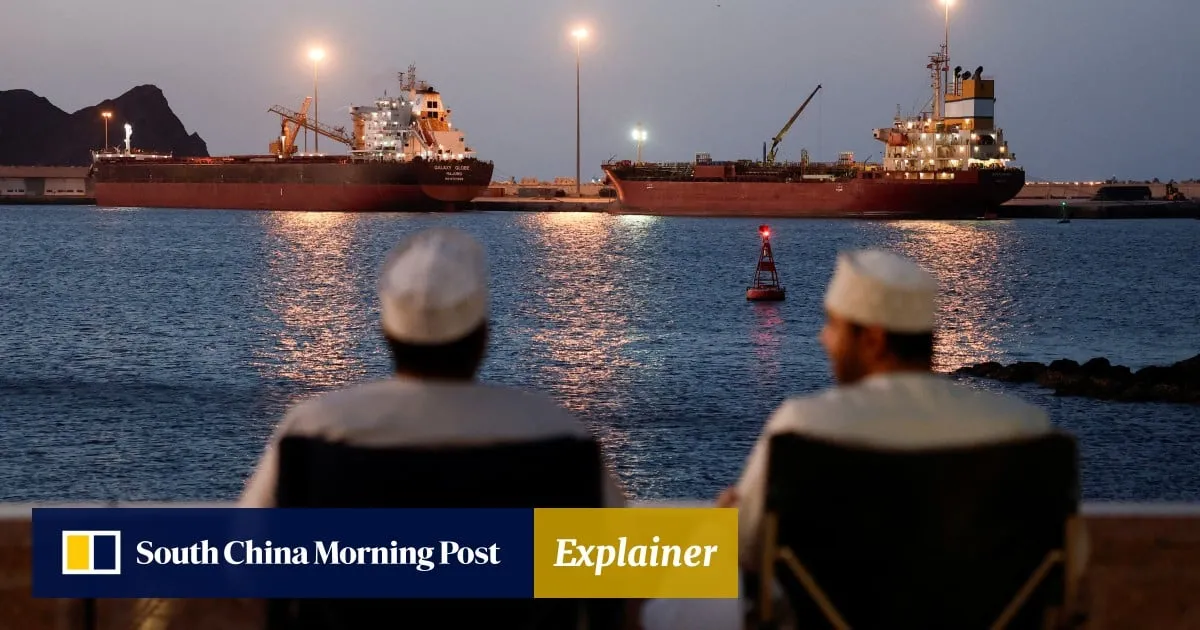
Recent attacks disrupting shipping in the Strait of Hormuz, a vital oil transit point, have raised concerns about a potential oil crisis reminiscent of the 1970s. The Strait handles roughly one-fifth of the world's daily oil consumption.
Sylvia MaSouth China Morning PostFiled 2026-03-30 · 12:30 GMTLean · Center-RightRead · 2 min
South China Morning PostFIG 01
Reading time
2min
Word count
258words
Sources cited
1cited
Entities identified
10entities
Quality score
100%
§ 01
Briefing Summary
AI-generatedNEWSAR · AI
Recent attacks disrupting shipping in the Strait of Hormuz, a vital oil transit point, have raised concerns about a potential oil crisis reminiscent of the 1970s. The Strait handles roughly one-fifth of the world's daily oil consumption. The 1973-74 Yom Kippur War and the 1979-80 Iranian Revolution and Iran-Iraq War triggered previous oil shocks, causing significant supply cuts and price surges. These events led to stagflation, characterized by high inflation, stagnant growth, and rising unemployment. During those periods, traditional investment portfolios suffered, while gold performed well as an inflation hedge. The current situation has prompted fears of similar economic consequences if the Strait of Hormuz disruptions escalate.
Confidence 0.90Sources 1Claims 5Entities 10
§ 02
Article analysis
Model · rule-basedFraming
Economic Impact
Conflict
Tone
Mixed Tone
AI-assessed
CalmNeutralAlarmist
Factuality
0.70 / 1.00
Factual
LowHigh
Sources cited
1
Limited
FewMany
§ 03
Key claims
5 extracted01
The first oil crisis in 1973-74 erupted during the Yom Kippur war.
factual
Confidence
1.00
02
US headline inflation topped 12 per cent in 1974 and peaked near 15 per cent in 1980.
statisticTarget Fund
Confidence
0.90
03
The Strait of Hormuz sees roughly one-fifth of the world’s daily oil consumption move through it.
statistic
Confidence
0.90
04
Attacks have disrupted shipping through the Strait of Hormuz.
factual
Confidence
0.90
05
Both shocks contributed to severe stagflation.
factual
Confidence
0.80
§ 04
Full report
2 min read · 258 words§ 05
Entities
10 identifiedKey playerOppositionContextPositiveNeutralNegative
Organizations2
Locations5
§ 06
Keywords & salience
9 termsoil prices
0.90
strait of hormuz
0.80
oil shock
0.80
stagflation
0.80
1970s
0.70
oil crisis
0.60
inflation
0.60
supply disruption
0.50
economic impact
0.50
§ 07
Topic connections
Interactive graph Network visualization showing 51 related topics
View Full Graph Person Organization Location Event|Click node to navigate|Edge numbers = shared articles