Yom Kippur War
Event Conflict1973 Yom Kippur War oil embargo quadrupled prices, impacting global economy; current Mideast tensions evoke similar fears.
Total Coverage:3 articles
Last 7 Days:0
Event Overview
The 1973 Yom Kippur War, specifically the Arab oil embargo in response to US support for Israel, serves as a historical parallel to current geopolitical tensions in the Middle East. The embargo caused a quadrupling of oil prices, triggering a global economic shock. Recent attacks disrupting shipping in the Strait of Hormuz, a critical oil transit point, have sparked fears of a similar oil crisis and stagflation. These events are newsworthy due to their potential to disrupt global trade flows, impact oil prices, and trigger economic instability. The current situation is relevant because it highlights the vulnerability of the global economy to disruptions in key trade chokepoints and raises concerns about a potential repeat of the 1970s stagflation scenario, particularly impacting countries like China already battling deflation.
Last updated: October 4, 2026
Coverage Timeline

Irán no es Venezuela
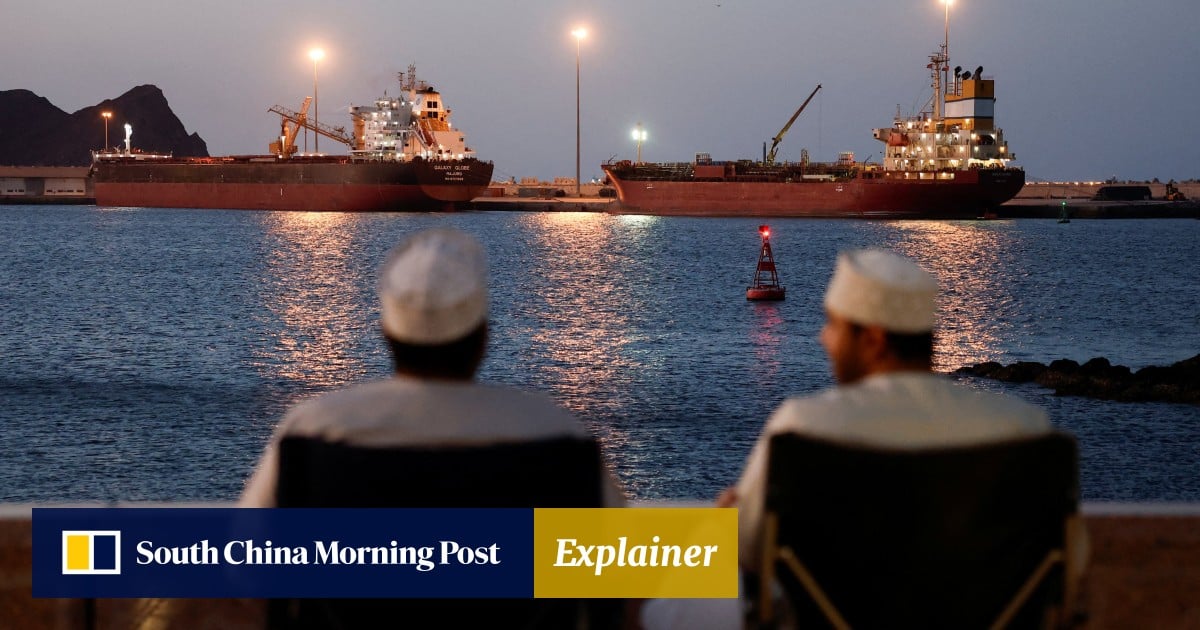
How the Hormuz attacks stoke oil-shock fears and memories of 1970s stagflation

Hormuz crisis underlines vulnerability of global trade chokepoints
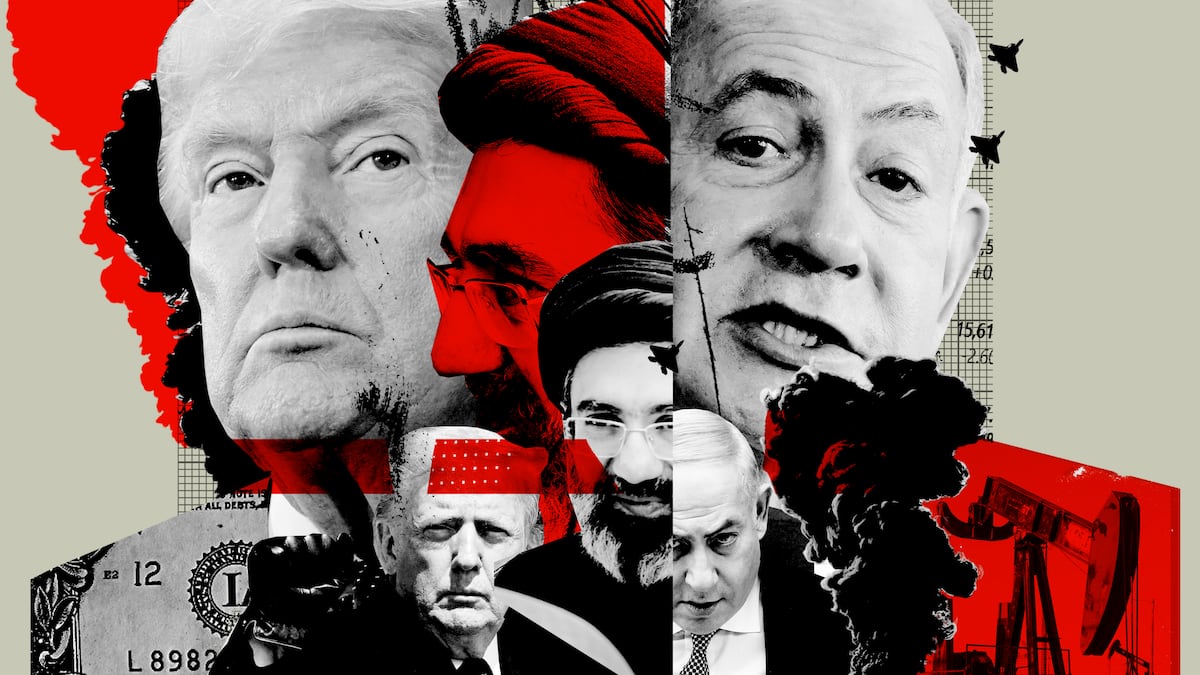
Las guerras de Trump quieren imponernos un mundo de incertidumbre económica y política

Por qué la crisis desatada por la guerra en Irán puede convertirse en el "mayor shock petrolero de la historia"