While the Iran war has sent shock waves through energy markets across Asia, one corner of the region has been hit especially hard.South Asia’s reliance on Middle Eastern fuel and Gulf remittances threatens to push some of its most exposed economies to the brink, analysts warn, as the conflict drives energy and food costs to multi-year highs.For Sri Lanka, Bangladesh and Pakistan, whose International Monetary Fund bailout programmes and thin fiscal buffers limit their ability to shield citizens from war-driven price shocks, the crisis threatens to spill over into wider economic and political instability.It could do the same in Nepal, where massive student-led protests toppled a government last year. Bangladesh and Sri Lanka experienced their own youth-led popular uprisings in 2024 and 2022, respectively.“The longer this war goes on, the more closely the impact will be felt,” said Pearl Pandya, South Asia senior analyst at the Armed Conflict Location and Event Data project, an independent global conflict monitor.“The region relies heavily on the Gulf and Iran for oil, gas and fertilisers, while remittances from large diaspora populations – particularly in countries like Nepal and Bangladesh – remain a critical economic lifeline.”
SRCSouth China Morning Post
LANGEN
LEANCenter-Right
WORDS191
ENT10
SUN · 2026-04-05 · 05:30 GMTBRIEF NSR-2026-0405-52883
NSR-2026-0405-52883Analysis·EN·Economic Impact
Why war on Iran threatens to unleash unrest in South Asia
A potential war with Iran poses a significant threat to South Asian economies due to their reliance on Middle Eastern fuel and remittances. Countries like Sri Lanka, Bangladesh, and Pakistan, already burdened with IMF bailout programs and limited financial resources, are particularly vulnerable to rising energy and food costs.
Biman MukherjiSouth China Morning PostFiled 2026-04-05 · 05:30 GMTLean · Center-RightRead · 1 min
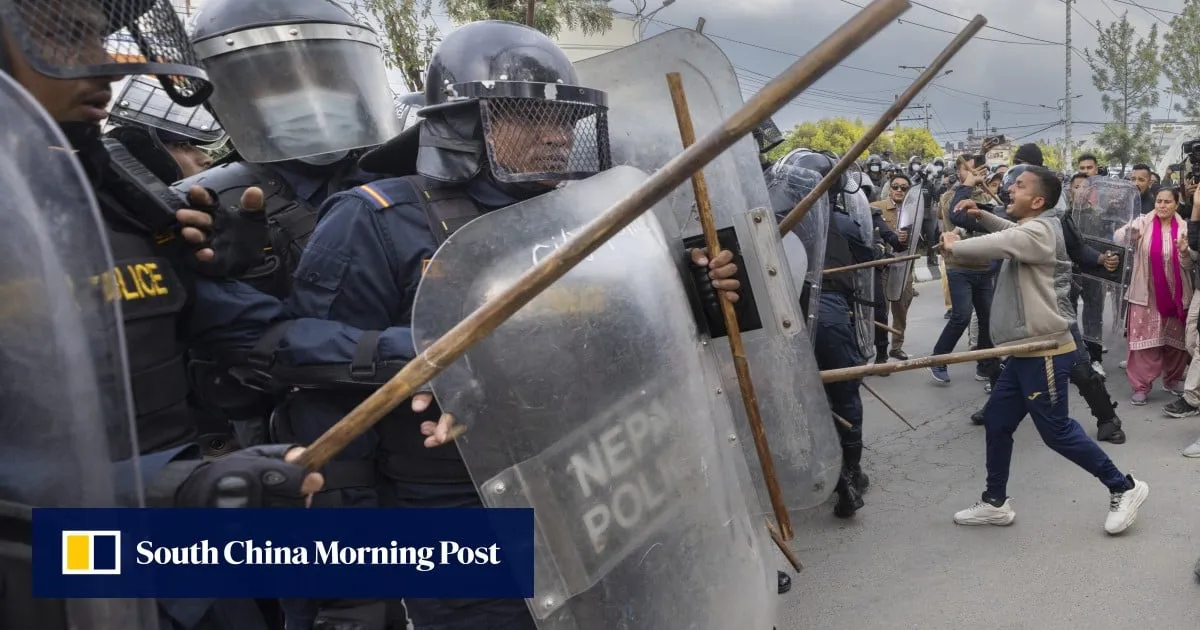
South China Morning PostFIG 01
Reading time
1min
Word count
191words
Sources cited
1cited
Entities identified
10entities
Quality score
100%
§ 01
Briefing Summary
AI-generatedNEWSAR · AI
A potential war with Iran poses a significant threat to South Asian economies due to their reliance on Middle Eastern fuel and remittances. Countries like Sri Lanka, Bangladesh, and Pakistan, already burdened with IMF bailout programs and limited financial resources, are particularly vulnerable to rising energy and food costs. Analysts warn that these price shocks could trigger economic and political instability, potentially leading to unrest similar to past uprisings in Bangladesh, Sri Lanka, and Nepal. The region's dependence on the Gulf and Iran for essential resources, coupled with the importance of remittances from diaspora populations, makes it highly susceptible to the conflict's impact. The longer the conflict persists, the greater the potential for widespread instability across South Asia.
Confidence 0.90Sources 1Claims 5Entities 10
§ 02
Article analysis
Model · rule-basedFraming
Economic Impact
Conflict
Tone
Mixed Tone
AI-assessed
CalmNeutralAlarmist
Factuality
0.70 / 1.00
Factual
LowHigh
Sources cited
1
Limited
FewMany
§ 03
Key claims
5 extracted01
Bangladesh and Sri Lanka experienced youth-led popular uprisings in 2024 and 2022, respectively.
factualnull
Confidence
1.00
02
Sri Lanka, Bangladesh and Pakistan have IMF bailout programmes and thin fiscal buffers.
factualnull
Confidence
1.00
03
The region relies heavily on the Gulf and Iran for oil, gas and fertilisers.
quotePearl Pandya, South Asia senior analyst at the Armed Conflict Location and Event Data project
Confidence
0.90
04
Conflict drives energy and food costs to multi-year highs.
factualnull
Confidence
0.90
05
South Asia's reliance on Middle Eastern fuel and Gulf remittances threatens some economies.
predictionanalysts
Confidence
0.80
§ 04
Full report
1 min read · 191 words§ 05
Entities
10 identifiedKey playerOppositionContextPositiveNeutralNegative
People1
Organizations2
§ 06
Keywords & salience
10 termsiran war
1.00
south asia
0.90
economic instability
0.80
gulf remittances
0.70
energy markets
0.70
price shocks
0.60
political instability
0.60
food costs
0.50
fuel costs
0.50
imf bailout
0.40
§ 07
Topic connections
Interactive graph Network visualization showing 19 related topics
View Full Graph Person Organization Location Event|Click node to navigate|Edge numbers = shared articles