The US and Iran agreed to a two-week ceasefire on Tuesday barely an hour before Donald Trump’s deadline to obliterate Iran was set to expire, with Tehran agreeing to temporarily reopen the Strait of Hormuz.Israel also agreed to the ceasefire, the White House said. As Trump announced he was suspending his plans to escalate attacks across Iran, the US president said he had received a 10-point proposal from Iran which was a “workable basis on which to negotiate”.But what is in this plan from Iran, and will Trump accept it?What demands are in Iran’s 10-point plan?According to state media, Iran will only accept the war’s conclusion once details are finalised in line with a 10-point peace plan reportedly submitted to the White House via Pakistani intermediaries.The list of 10 points, published by Iranianstate media, include a number of conditions the US has rejected in the past. The plan requires: The lifting of all primary and secondary sanctions on Iran. Continued Iranian control over the Strait of Hormuz. US military withdrawal from the Middle East. An end to attacks on Iran and its allies. The release of frozen Iranian assets. A UN security council resolution making any deal binding. In the version released in Farsi, Iran also included the phrase “acceptance of enrichment” for its nuclear program. But for reasons that remain unclear, that phrase was missing in English versions shared by Iranian diplomats to journalists.What does the ceasefire plan mean for the Strait of Hormuz?The Iranian foreign minister, Abbas Araghchi, said safe passage through the strait would be allowed under Iranian military management. It wasn’t immediately clear whether that meant Iran would completely loosen its hold on the waterway.The plan allows Iran and Oman to charge a fee of up to $2m a ship on vessels transiting through the strait, according to reports. Iran would then use the money it raises for reconstruction.If peace talks fail, Tehran may again seek to close the strait.Will the US agree to this 10-point plan and Iran’s proposals?Since negotiations began between the Trump administration and Iran over the status of Tehran’s nuclear programme almost a year ago, their vastly different demands and the limits to what each side would concede have proved a barrier to any lasting agreement.Iran’s demand that it retains control over the Strait of Hormuz has been highlighted as of particular concern, as it held no control over the strait before the conflict began.The Democratic senator Chris Murphy leapt on the comments from Iran, telling CNN “who knows if any of that is true, but if this agreement gives Iran the right to control the strait that is cataclysmic for the world”.Trump himself has not commented directly on Iran’s demands, but said the US would “be helping with the traffic buildup in the Strait of Hormuz”.Experts and analysts have suggested that Iran’s maximalist demands are unlikely to be agreed to by the US, but will rather form the basis for talks.Is Israel part of the deal?Israeli prime minister Benjamin Netanyahu’s office said Israel supports the US decision to suspend strikes against Iran for two weeks, but that the ceasefire does not include Lebanon. Pakistan’s prime minister had previously said that the agreed ceasefire covered “everywhere including Lebanon.”Netanyahu’s office said Tehran must immediately open the strait and stop attacks against the US, Israel and countries in the region. Israel also said it supported US efforts to ensure Iran no longer posed a nuclear, missile or “terror” threat.The Israeli offensive in Lebanon has killed at least 1,500 people and displaced 1.2 million others. Lebanon was pulled into the war when Hezbollah fired rockets at Israel in solidarity with Tehran.What will happen next?Pakistan’s prime minister, Shehbaz Sharif, who helped mediate the ceasefire, said in a post on X that he had invited Iranian and US delegations to meet in Islamabad on Friday.Tehran has said it will participate in the talks. The White House said it is considering in-person talks with Iran but they have not been finalised.What happened in the hours leading up to Trump pausing his deadline?Late on Tuesday, Pakistan’s prime minister urged Trump to extend his deadline by two weeks to allow diplomacy to advance. In a post on X, Sharif, whose country has been leading negotiations, also asked Iran to open up for two weeks the Strait of Hormuz.China, which is Tehran’s biggest trade partner, encouraged the Iranians to find a way to a ceasefire as talks progressed, according to two officials who were not authorised to comment and spoke to AP on condition of anonymity. Trump told AFP on Tuesday he believed China had helped get Iran to the negotiating table.With the US midterm election campaign ramping up, Trump’s approval ratings have hit their lowest level ever, leaving his Republican party at risk of losing its narrow majorities in Congress. Polls show sizeable majorities of Americans are opposed to the war and frustrated by the rising cost of petrol.With agencies
SRCThe Guardian - World News
LANGEN
LEANCenter-Left
WORDS820
ENT11
WED · 2026-04-08 · 03:57 GMTBRIEF NSR-2026-0408-57750
NSR-2026-0408-57750News Report·EN·Diplomatic
Explainer: What is in Iran’s 10-point ceasefire plan and will the US agree to it?
The US and Iran agreed to a two-week ceasefire, averting a planned escalation of attacks. This followed Iran submitting a 10-point peace plan to the White House via Pakistani intermediaries.
Jonathan Yerushalmy and agenciesThe Guardian - World NewsFiled 2026-04-08 · 03:57 GMTLean · Center-LeftRead · 4 min
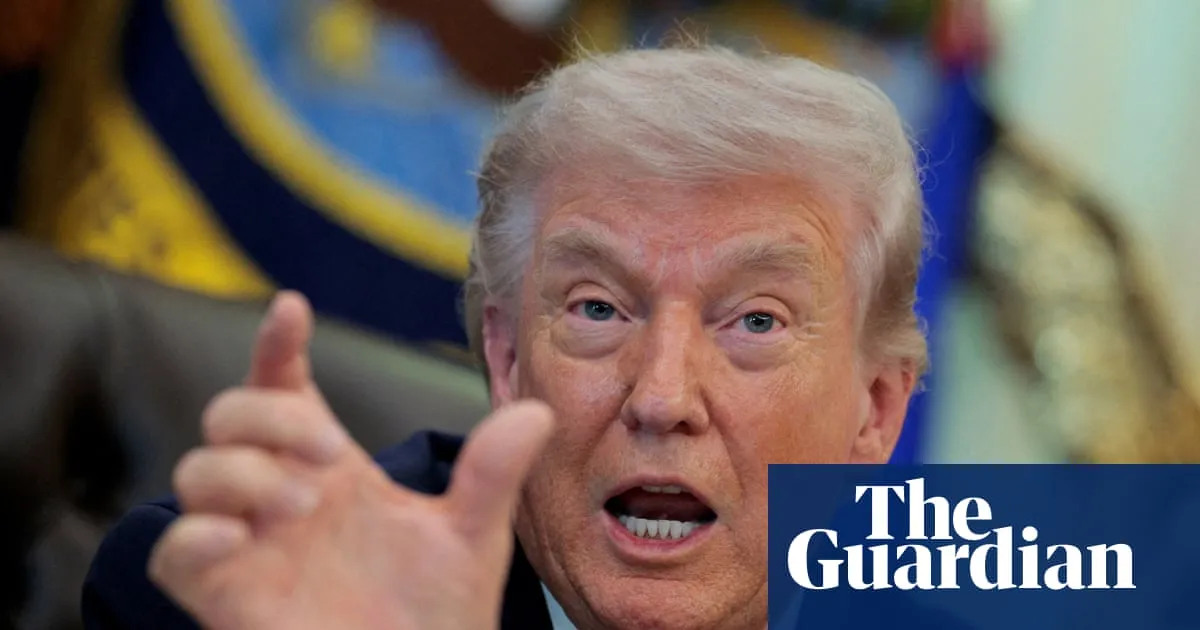
The Guardian - World NewsFIG 01
Reading time
4min
Word count
820words
Sources cited
3cited
Entities identified
11entities
Quality score
100%
§ 01
Briefing Summary
AI-generatedNEWSAR · AI
The US and Iran agreed to a two-week ceasefire, averting a planned escalation of attacks. This followed Iran submitting a 10-point peace plan to the White House via Pakistani intermediaries. The plan outlines conditions for a lasting agreement, including the lifting of sanctions, continued Iranian control over the Strait of Hormuz, US military withdrawal from the Middle East, and acceptance of Iranian nuclear enrichment. Under the plan, Iran and Oman would charge fees for ships transiting the Strait of Hormuz, using the funds for reconstruction. The US's willingness to accept the plan remains uncertain due to past disagreements and Iran's demand for control over the Strait of Hormuz.
Confidence 0.90Sources 3Claims 5Entities 11
§ 02
Article analysis
Model · rule-basedFraming
Diplomatic
National Security
Tone
Measured
AI-assessed
CalmNeutralAlarmist
Factuality
0.70 / 1.00
Factual
LowHigh
Sources cited
3
Well sourced
FewMany
§ 03
Key claims
5 extracted01
If this agreement gives Iran the right to control the strait that is cataclysmic for the world.
quoteDemocratic senator Chris Murphy
Confidence
0.90
02
The plan requires continued Iranian control over the strait of Hormuz.
factualIranian state media
Confidence
0.90
03
The plan requires the lifting of all primary and secondary sanctions on Iran.
factualIranian state media
Confidence
0.90
04
The US and Iran agreed to a two-week ceasefire on Tuesday.
factualthe article
Confidence
0.90
05
Iran submitted a 10-point peace plan to the White House via Pakistani intermediaries.
factualthe article
Confidence
0.80
§ 04
Full report
4 min read · 820 words§ 05
Entities
11 identifiedKey playerOppositionContextPositiveNeutralNegative
Organizations1
§ 06
Keywords & salience
9 termsceasefire plan
1.00
iran
0.90
us
0.90
strait of hormuz
0.80
sanctions
0.70
negotiations
0.60
nuclear program
0.50
peace talks
0.50
military withdrawal
0.40
§ 07
Topic connections
Interactive graph Network visualization showing 51 related topics
View Full Graph Person Organization Location Event|Click node to navigate|Edge numbers = shared articles