The first tankers that turned away from the Strait of Hormuz did not just redraw shipping maps. They redrew grocery lists, too. After Iran’s partial closure of the strait disrupted a chokepoint that carries roughly 20 per cent of the world’s oil, traders priced in something they know too well: war is not only about missiles; it’s about the bill that lands on kitchen tables months later.Brent crude climbing back above US$100 a barrel, and touching roughly US$120 on the worst days, is already more than a market headline, affecting the diesel at the pump, the bread in the oven and the fertiliser on a field. Even if forecasts indicate that Brent will average closer to US$90 in the second quarter, the risk premium is already present.For wealthier economies, this may look survivable. For much of the Global South, it feels more like a stress test. Currencies are weak, reserves are thin and debts are heavy. In net importers such as Kenya, Senegal or Bangladesh, every US$10 rise in crude quickly narrows subsidy space, lifts freight costs and hardens urban food inflation.We often talk about oil as if it sits in a separate universe from food. In reality, they are closely linked. Food and Agriculture Organisation (FAO) figures showed the global food price index rising in February for the first time in five months, with cereals and vegetable oils leading the rebound. The UN agency logged a second consecutive monthly increase as energy-linked costs affected food prices in March.Fuel prices drive the cost of moving grain, running irrigation pumps and producing fertiliser. When energy becomes more expensive, the cost structure of a bakery in Lagos or a maize mill in Bamako shifts quickly.Global averages hide the harsher story. The FAO’s food price monitoring kept flagging stubbornly high cereal prices in parts of East Africa and markets affected by conflict. In Somalia, Sudan and Sudan" class="entity-link entity-location" data-entity-id="3169" data-entity-type="location">South Sudan, and across fragile stretches of the Sahel, staples can trade at levels that feel closer to siege economics than normal volatility.
SRCSouth China Morning Post
LANGEN
LEANCenter-Right
WORDS336
ENT12
WED · 2026-04-08 · 12:30 GMTBRIEF NSR-2026-0408-58599
NSR-2026-0408-58599Analysis·EN·Economic Impact
As war premiums hit groceries, China deals give Africa room to breathe
Disruptions in oil shipping, such as those caused by the partial closure of the Strait of Hormuz, are increasing global food prices. Rising crude oil prices, currently around $100-$120 a barrel, impact diesel, bread, and fertilizer costs, creating a "war premium" that affects consumers.
Göktuğ ÇalışkanSouth China Morning PostFiled 2026-04-08 · 12:30 GMTLean · Center-RightRead · 2 min
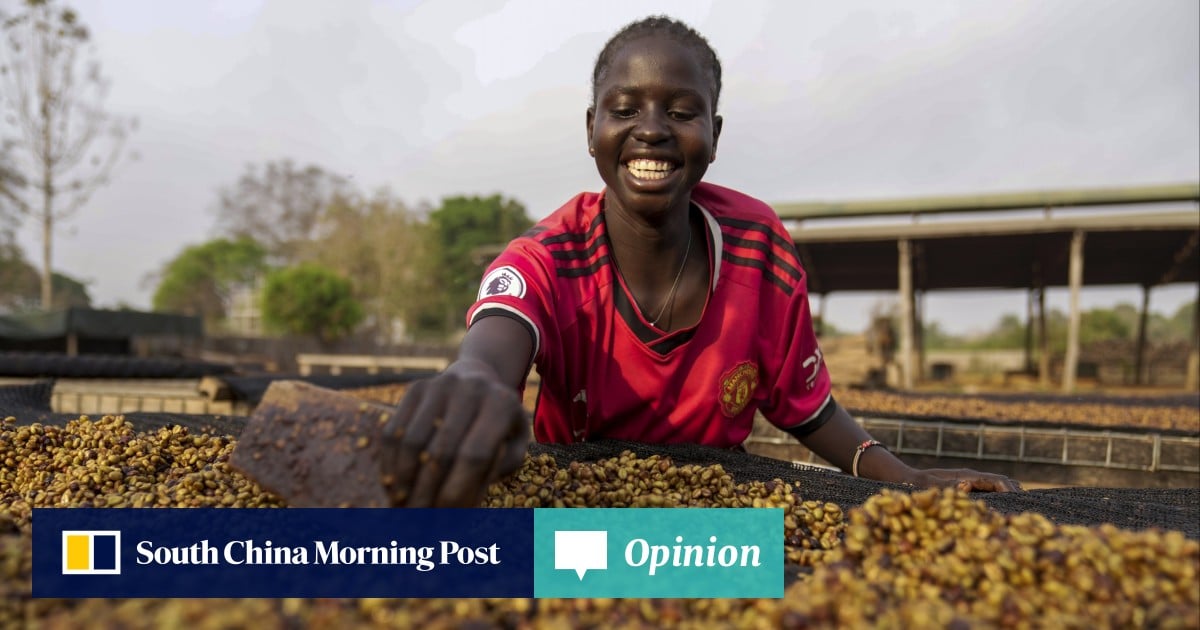
South China Morning PostFIG 01
Reading time
2min
Word count
336words
Sources cited
1cited
Entities identified
12entities
Quality score
100%
§ 01
Briefing Summary
AI-generatedNEWSAR · AI
Disruptions in oil shipping, such as those caused by the partial closure of the Strait of Hormuz, are increasing global food prices. Rising crude oil prices, currently around $100-$120 a barrel, impact diesel, bread, and fertilizer costs, creating a "war premium" that affects consumers. While wealthier economies may be able to manage, developing nations with weak currencies, thin reserves, and heavy debts are particularly vulnerable, as rising oil prices increase freight costs and food inflation. The FAO reports consecutive monthly increases in the global food price index, driven by cereals and vegetable oils, due to energy-linked costs. East Africa and conflict-affected regions are experiencing especially high cereal prices, resembling "siege economics."
Confidence 0.90Sources 1Claims 5Entities 12
§ 02
Article analysis
Model · rule-basedFraming
Economic Impact
Conflict
Tone
Mixed Tone
AI-assessed
CalmNeutralAlarmist
Factuality
0.70 / 1.00
Factual
LowHigh
Sources cited
1
Limited
FewMany
§ 03
Key claims
5 extracted01
FAO figures showed the global food price index rising in February for the first time in five months.
statisticFood and Agriculture Organisation (FAO)
Confidence
1.00
02
The UN agency logged a second consecutive monthly increase as energy-linked costs affected food prices in March.
factualUN agency
Confidence
0.90
03
Brent crude climbing back above US$100 a barrel, and touching roughly US$120 on the worst days.
factual
Confidence
0.90
04
Iran’s partial closure of the Strait of Hormuz disrupted a chokepoint that carries roughly 20 per cent of the world’s oil.
factual
Confidence
0.90
05
Fuel prices drive the cost of moving grain, running irrigation pumps and producing fertiliser.
factual
Confidence
0.80
§ 04
Full report
2 min read · 336 words§ 05
Entities
12 identifiedKey playerOppositionContext
§ 06
Keywords & salience
9 termsfood prices
0.90
oil prices
0.80
war premiums
0.80
global south
0.70
energy costs
0.60
inflation
0.60
food security
0.50
strait of hormuz
0.40
fao
0.40
§ 07
Topic connections
Interactive graph Network visualization showing 51 related topics
View Full Graph Person Organization Location Event|Click node to navigate|Edge numbers = shared articles