Having achieved its chokehold on this vital waterway, Iran seems determined to formalise it, calling it sovereign Iranian water and talking about a new set of rules to govern what can and can't pass through.On Thursday, it announced the creation of new transit routes, north of the two existing traffic separation channels. In a statement which played very consciously on existing fears among shipping companies, it said the new routes were necessary "to avoid the presence of various types of anti-ship mines in the main traffic zone".Amid reports that some of the ships that have made it through in recent weeks have paid a $2m (£1.5m) toll, Trump has warned that Iran "better not be charging fees to tankers".NuclearArguably the biggest, and certainly the most long-standing, bone of contention is nuclear.Trump said he was launching Operation Epic Fury, in part, to make sure Iran "can never have a nuclear weapon".Iran says it has never sought to build a bomb - a claim most western governments view with enormous scepticism – but insists that as signatories to the Nuclear Non-Proliferation Treaty, they have the right to enrich uranium for civilian purposes.Iran's 10-point proposal, which Trump described as "a workable basis on which to negotiate" includes a demand for international recognition of its enrichment rights.Trump's own 15-point plan reportedly demands that Iran "end all uranium enrichment on Iranian soil". But asked about this earlier this week, Secretary of Defence Pete Hegseth merely said Iran would "never had a nuclear weapon or the capability to get a path to one".It took years for international negotiators to reach the 2015 Joint Comprehensive Plan of Action (JCPOA), which tackled this thorny issue in enormous detail.Are the two sides ready to discuss a new deal?Iran's Regional AlliesIran's network of regional allies and proxies – Hezbollah in Lebanon, the Houthis in Yemen, Hamas in Gaza and an assortment of militias in Iraq – has given Tehran regional clout, allowing Iran to exercise what is often called "forward defence" in its long-running disputes with Israel and the United States.Since the start of the Gaza war in October 2023, the network Iran calls the "Axis of Resistance" has been under constant attack. One part of it, the regime of the former Syrian dictator Bashar al-Assad, no longer exists.But Israel sees what it calls the "Axis of Evil" as representing an existential threat, which needs to be fully eradicated.At a time when the Iranian economy is buckling, many Iranians would also like to see their government spending less on foreign adventurism and more on making their lives easier.
SRCBBC News - World
LANGEN
LEANCenter
WORDS428
ENT12
FRI · 2026-04-10 · 18:13 GMTBRIEF NSR-2026-0410-62622
NSR-2026-0410-62622Analysis·EN·Diplomatic
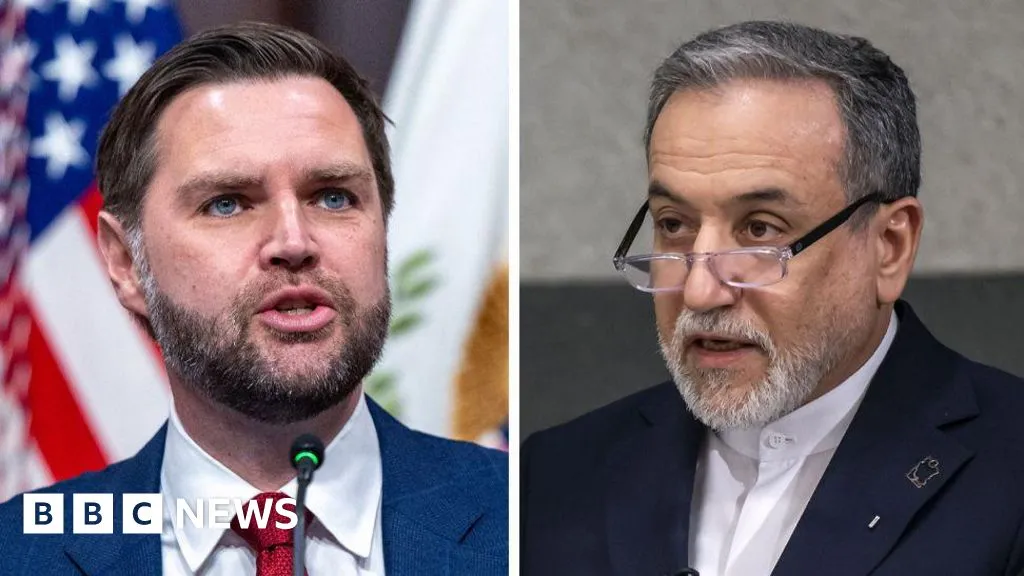
The five big sticking points in US-Iran talks
US-Iran talks face significant obstacles, primarily concerning Iran's nuclear program and regional influence. Iran's control over a vital waterway, where it may be imposing fees on tankers, adds to the tension.
BBC News - WorldFiled 2026-04-10 · 18:13 GMTLean · CenterRead · 2 min
BBC News - WorldFIG 01
Reading time
2min
Word count
428words
Sources cited
2cited
Entities identified
12entities
Quality score
100%
§ 01
Briefing Summary
AI-generatedNEWSAR · AI
US-Iran talks face significant obstacles, primarily concerning Iran's nuclear program and regional influence. Iran's control over a vital waterway, where it may be imposing fees on tankers, adds to the tension. The nuclear issue remains a major point of contention, with Iran asserting its right to uranium enrichment for civilian purposes under the Nuclear Non-Proliferation Treaty, while the US aims to prevent Iran from ever developing nuclear weapons. Furthermore, Iran's network of regional allies, often called the "Axis of Resistance," is a point of concern for the US and Israel, who view it as a threat. These issues, along with disagreements on uranium enrichment, complicate the prospect of reaching a new agreement.
Confidence 0.90Sources 2Claims 5Entities 12
§ 02
Article analysis
Model · rule-basedFraming
Diplomatic
National Security
Tone
Measured
AI-assessed
CalmNeutralAlarmist
Factuality
0.60 / 1.00
Mixed
LowHigh
Sources cited
2
Limited
FewMany
§ 03
Key claims
5 extracted01
Israel sees the 'Axis of Evil' as representing an existential threat.
quoteIsrael
Confidence
1.00
02
Trump described Iran's 10-point proposal as 'a workable basis on which to negotiate'.
quoteTrump
Confidence
1.00
03
Iran says it has never sought to build a bomb.
quoteIran
Confidence
1.00
04
Trump warned that Iran 'better not be charging fees to tankers'.
quoteTrump
Confidence
1.00
05
Iran announced the creation of new transit routes to avoid mines in the main traffic zone.
factualArticle's own claim
Confidence
0.90
§ 04
Full report
2 min read · 428 words§ 05
Entities
12 identifiedKey playerOppositionContextPositiveNeutralNegative
Organizations3
Locations7
§ 06
Keywords & salience
8 termsus-iran talks
1.00
nuclear weapon
0.90
uranium enrichment
0.80
regional allies
0.70
axis of resistance
0.60
jcpoa
0.50
shipping routes
0.50
international recognition
0.40
§ 07
Topic connections
Interactive graph Network visualization showing 51 related topics
View Full Graph Person Organization Location Event|Click node to navigate|Edge numbers = shared articles