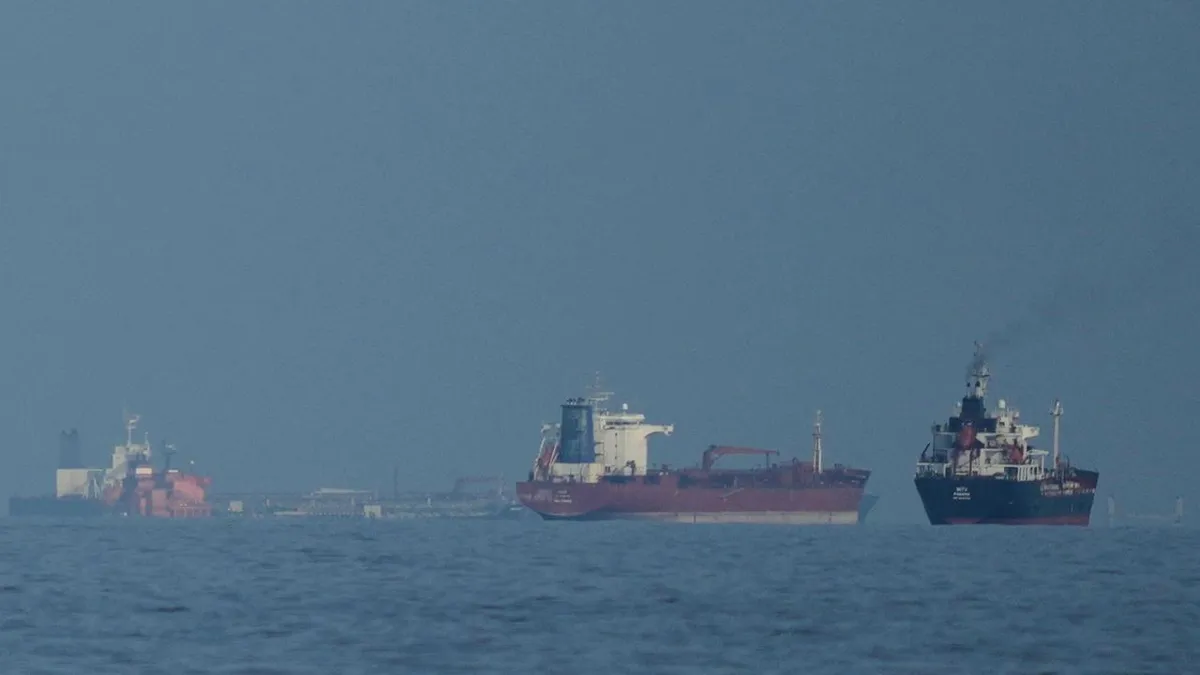
faq Stand: 13.04.2026 • 12:36 Uhr US-Präsident Trump reagiert auf die gescheiterten Iran-Gespräche mit einer Blockade der Straße von Hormus. Sie soll am Nachmittag beginnen. Damit droht die weitere militärische Eskalation - mit schweren Folgen für die Energiemärkte. Ein Überblick. US-Präsident Donald Trump hatte angekündigt, die Durchfahrt aller Schiffe in der Straße von Hormus mithilfe der US-Marine zu stoppen. Das zuständige Regionalkommando Centom stellte klar, dass nur Schiffe gestoppt werden sollen, die iranische Häfen ansteuern oder verlassen. Demnach schließt die Blockade iranische Häfen am Persischen Golf und am Golf von Oman ein. Die Blockade soll heute um 16 Uhr (MESZ) beginnen. Praktisch dürfte das bedeuten, dass die US-Marine alle Schiffe stoppen oder zum Umkehren zwingen will, die einen Bezug zum iranischen Ölgeschäft haben. Tanker, die für Golfstaaten wie Saudi-Arabien und die Vereinigten Arabischen Emirate durch die Meerenge fahren, wären von der US-Blockade dagegen nicht betroffen. Trump hat die Streitkräfte auch angewiesen, alle Schiffe abzufangen, die Gebühren an Iran gezahlt haben. Niemand, der eine "illegale Maut" entrichte, werde auf hoher See eine sichere Passage haben. Trump hat Iran der "Erpressung" beschuldigt und will auch vom Iran gelegte Seeminen zerstören zu lassen. Zugleich erwägen die USA nach Medienberichten auch neue Militärschläge in Iran, um die Verhandlungen wieder in Gang zu bringen. Nach US-Angaben wird die Blockade unabhängig gegenüber Schiffen aller Nationen durchgesetzt, die iranische Häfen ansteuern oder diese verlassen. Eine direkte Kontrolle der Straße von Hormus dürfte bedeuten, dass Soldaten der US-Marine diese Schiffe beobachten, eskortieren oder abfangen und wenn nötig auch an Bord gehen. Seeleute sollen nach Centcom-Angaben die aktuellen Informationen verfolgen und per Funk auch Kontakt aufnehmen zur US-Marine, wenn sie das Gebiet durchfahren. Beim Kontakt zu Schiffen, die iranisches Öl exportieren, könnte es schnell zu Zwischenfällen und neuen militärischen Eskalationen kommen. Die iranische Marine hat ein US-Kriegsschiff bereits davor gewarnt, die Straße von Hormus zu durchqueren und mit einem Angriff "innerhalb von 30 Minuten" gedroht, sollte das Schiff seinen Kurs fortsetzen. So könnte es auch iranische Angriffe auf US-Kriegsschiffe geben, die etwa versuchen, Inspektionen an Bord von Schiffen mit iranischem Bezug durchzuführen. Nach Angaben des Verbands Deutscher Reeder (VDR) sitzen seit Kriegsbeginn Ende Februar mehr als 2.000 Handelsschiffe mit rund 20.000 Seeleuten im Persischen Golf fest. Darunter seien mindestens 50 Schiffe deutscher Reedereien. Die Vereinten Nationen sprechen von einer Lage, die seit Ende des Zweiten Weltkriegs beispiellos sei. In den Wochen seit Kriegsbeginn am 28. Februar zählte die Weltschifffahrtsorganisation IMO mindestens 21 Angriffe auf Handelsschiffe, bei denen zehn Seeleute getötet und weitere verletzt wurden. Vor Kriegsbeginn passierten die Straße von Hormus nach UN-Angaben täglich rund 150 Schiffe, jetzt sind es im täglichen Durchschnitt nur noch vier oder fünf. Trump will mit der Blockade wohl vor allem die iranischen Einnahmen aus dem Ölexport kappen und verhindern, dass Teheran eine Maut für die Durchfahrt des Seewegs erhebt. Das würde den wirtschaftlichen Druck auf Teheran erhöhen und auch dessen Militärausgaben treffen. Ein nicht unerheblicher Teil der Einnahmen aus dem Öl- und Gasexport fließt an die iranischen Streitkräfte und die Revolutionsgarde. Zugleich scheint Trump den Druck auch mit Blick auf die vorerst gescheiterten Gespräche erhöhen zu wollen mit dem Ziel, neue Verhandlungen zu erzwingen. Ein Knackpunkt bleibt in den Gesprächen nach US-Darstellung, dass Iran sich bisher nicht dazu bekennen will, langfristig keine Atomwaffen anzustreben. Iranischen Medienberichten zufolge soll es den größten Streit bei Fragen rund um die Straße von Hormus gegeben haben. Ob es neue Verhandlungen geben wird, ist unklar.
SRCTagesschau (ARD)
LANGDE
LEANCenter
WORDS567
ENT12
MON · 2026-04-13 · 10:36 GMTBRIEF NSR-2026-0413-65656
NSR-2026-0413-65656News Report·DE·Conflict
Warum die US-Seeblockade an der Straße von Hormus nicht ohne Risiko ist
Nach gescheiterten Iran-Gesprächen hat US-Präsident Trump eine Seeblockade der Straße von Hormus angekündigt, die am Nachmittag des 13. April 2026 um 16 Uhr (MESZ) beginnen soll.
Tagesschau (ARD)Filed 2026-04-13 · 10:36 GMTLean · CenterRead · 3 min
Tagesschau (ARD)FIG 01
Reading time
3min
Word count
567words
Sources cited
3cited
Entities identified
12entities
Quality score
100%
§ 01
Briefing Summary
AI-generatedNEWSAR · AI
Nach gescheiterten Iran-Gesprächen hat US-Präsident Trump eine Seeblockade der Straße von Hormus angekündigt, die am Nachmittag des 13. April 2026 um 16 Uhr (MESZ) beginnen soll. Das US-Regionalkommando Centcom präzisierte, dass die Blockade Schiffe betrifft, die iranische Häfen ansteuern oder verlassen, unabhängig von ihrer Nationalität. Die US-Marine will diese Schiffe stoppen oder zum Umkehren zwingen und notfalls an Bord gehen. Trump begründet die Maßnahme mit Irans "Erpressung" und droht mit der Zerstörung iranischer Seeminen. Es wird befürchtet, dass die Blockade zu militärischen Eskalationen führen könnte, da die iranische Marine bereits mit Angriffen gedroht hat, sollten US-Kriegsschiffe die Straße von Hormus passieren. Die USA erwägen Medienberichten zufolge auch neue Militärschläge, um die Verhandlungen wieder in Gang zu bringen.
Confidence 0.90Sources 3Claims 5Entities 12
§ 02
Article analysis
Model · rule-basedFraming
Conflict
Economic Impact
Tone
Mixed Tone
AI-assessed
CalmNeutralAlarmist
Factuality
0.70 / 1.00
Factual
LowHigh
Sources cited
3
Well sourced
FewMany
§ 03
Key claims
5 extracted01
The Iranian Navy has warned a US warship against crossing the Strait of Hormuz, threatening an attack "within 30 minutes".
factualnull
Confidence
1.00
02
Trump has instructed the armed forces to intercept all ships that have paid fees to Iran.
factualnull
Confidence
1.00
03
Centcom stated that only ships heading to or leaving Iranian ports will be stopped.
factualCentcom
Confidence
1.00
04
The blockade is scheduled to begin at 4 p.m. CET today.
factualnull
Confidence
1.00
05
US President Trump is responding to failed Iran talks with a blockade of the Strait of Hormuz.
factualnull
Confidence
1.00
§ 04
Full report
3 min read · 567 words§ 05
Entities
12 identifiedKey playerOppositionContextPositiveNeutralNegative
Organizations4
§ 06
Keywords & salience
9 termsstraße von hormus
1.00
us-seeblockade
0.90
iran
0.80
militärische eskalation
0.70
iranische häfen
0.60
us-marine
0.60
energiemärkte
0.50
persischer golf
0.40
golf von oman
0.40
§ 07
Topic connections
Interactive graph Network visualization showing 51 related topics
View Full Graph Person Organization Location Event|Click node to navigate|Edge numbers = shared articles