No response from Lebanon to Trump’s statement, which comes after Netanyahu ordered an expansion of the Israeli invasion.Israel's military kills four Lebanese paramedics in consecutive strikesPublished On 16 Apr 2026United States President Donald Trump has announced that the leaders of Israel and Lebanon will speak to each other for the first time in 34 years on Thursday.The announcement, made on Trump’s Truth Social account on Wednesday, came a day after Israeli and Lebanese ambassadors held their first direct diplomatic talks in more than three decades in Washington, DC, with Lebanon seeking to end Israel’s devastating attacks on the country.Recommended Stories list of 4 itemslist 1 of 4Hopes grow for a breakthrough in US-Iran talks as Pakistan mediateslist 2 of 4Israel bombs homes in southern Lebanonlist 3 of 4Could the EU’s alliance with Israel soon change?list 4 of 4Why has Italy’s Giorgia Meloni suspended a defence pact with Israel?end of list“Trying to get a little breathing room between Israel and Lebanon,” Trump wrote. “It has been a long time since the two leaders have spoken, like 34 years. It will happen tomorrow. Nice!”The US president did not specify which leaders would be involved in the talks.There was no official confirmation from Israel or Lebanon.However, Gila Gamliel, a member of Israel’s security cabinet, told Israel’s Army Radio on Thursday that Israeli Prime Minister Benjamin Netanyahu will be speaking with Lebanese President Joseph Aoun.Lebanese officials told news agencies they had “no information” about any upcoming contact or talks with Israel’s leadership, while Aoun stressed the importance of a ceasefire before any direct negotiations.A ceasefire is a “natural entry point for direct negotiations between the two countries,” Aoun said during a meeting with Britain’s Minister of State for Middle East Affairs Hamish Falconer. “Lebanon is keen to halt the escalation in the south and in all Lebanese regions so that the targeting of the innocent … ceases, and the destruction of homes in Lebanese villages and towns stops”.Lebanon was pulled into the US-Israel war on Iran on March 2, after Tehran-aligned Hezbollah fired rockets at Israel.Hezbollah said the attacks were in retaliation for Israel’s killing of Iran’s Supreme Leader Ayatollah Ali Khamenei on the first day of the war, on February 28, as well as Israel’s near-daily violations of a ceasefire it agreed to in Lebanon in November 2024.Since then, Israeli forces have killed more than 2,000 people in Lebanon and displaced some 1.2 million. The Israeli military has also launched a ground invasion in southern Lebanon, seeking to seize more territory and create what it calls a “buffer zone”.Earlier on Wednesday, Netanyahu said he had ordered the military to expand the invasion in southern Lebanon, towards the east.He said Israel was pursuing negotiations with the Lebanese government alongside its military campaign against Hezbollah in the hopes of disarming the group and achieving a “sustainable peace” with its northern neighbour.The Lebanese government, which is not a party to the conflict, has said it is seeking a ceasefire and a withdrawal of Israeli troops from southern Lebanon.‘Controversial’ statementAl Jazeera’s Zeina Khodr, reporting from Lebanon’s capital, Beirut, said there has been no information from the Lebanese government on Trump’s statement yet.She described the US president’s remarks as “controversial”.“This is really a taboo in Lebanon for a Lebanese leader and Israeli leader to speak at a time that both countries are still technically at war, at a time that Israel continues to attack the country,” she said.“Now, could Trump be talking about a possible ceasefire? We know that the US administration has been pushing very hard on the Lebanon-Israel tract to separate the Lebanon front from the Iran front,” she said. “This is what the whole meeting was about in Washington, DC – a photo opportunity and attempt to make sure that Hezbollah influence is weakened over Lebanon and that Iran’s influence is weakened over Lebanon.”Meanwhile, despite the diplomatic push, Israel has continued to launch deadly attacks on Lebanese civilians. On Wednesday, the Israeli military launched three consecutive strikes in the village of Mayfadoun, killing four Lebanese paramedics and wounding six others.According to Lebanon’s Ministry of Public Health, Israeli forces have killed at least 91 Lebanese medical workers since March 2 and struck several medical facilities.Al Jazeera’s Khodr said Israeli forces had also launched attacks near one of the last remaining hospitals in southern Lebanon, in the town of Tebnine, where there have been two consecutive days of strikes.Fighting was also continuing around the town of Bint Jbeil, which Israel’s military said its troops have encircled but where Hezbollah says it is continuing to put up a fight.Khodr said claiming victory in Bint Jbeil would be symbolic for Israel, which “wasn’t able to take control of the town during the last war in 2006, during 2024”.Further Israeli attacks took place on Thursday, with one strike destroying the Qasmieh bridge, the only remaining crossing between the Tyre and Sidon regions, and another killing a person and temporarily halting traffic on the road linking Beirut to the Syrian capital, Damascus, according to NNA. Another strike killed a motorcyclist near the village of Kfarwa, said the agency.Khodr said that Israel and the US know Israel will have to ultimately occupy the whole of Lebanon if they want to disarm Hezbollah, something that would be costly and difficult to do.“Israel can continue to kill and destroy, but that will not change the fact that Hezbollah is not going to give up its arms. It needs the Lebanese government to partner with it in order for the disarmament process to begin,” she added. “So we have to wait to see whether indeed a ceasefire will be in place.”
SRCAl Jazeera
LANGEN
LEANCenter
WORDS936
ENT10
THU · 2026-04-16 · 03:51 GMTBRIEF NSR-2026-0416-69904
NSR-2026-0416-69904News Report·EN·Diplomatic
Trump says Israel and Lebanon’s leaders will speak on Thursday
In April 2026, former U.S. President Donald Trump announced that the leaders of Israel and Lebanon would speak for the first time in 34 years on Thursday.
Al Jazeera StaffAl JazeeraFiled 2026-04-16 · 03:51 GMTLean · CenterRead · 4 min
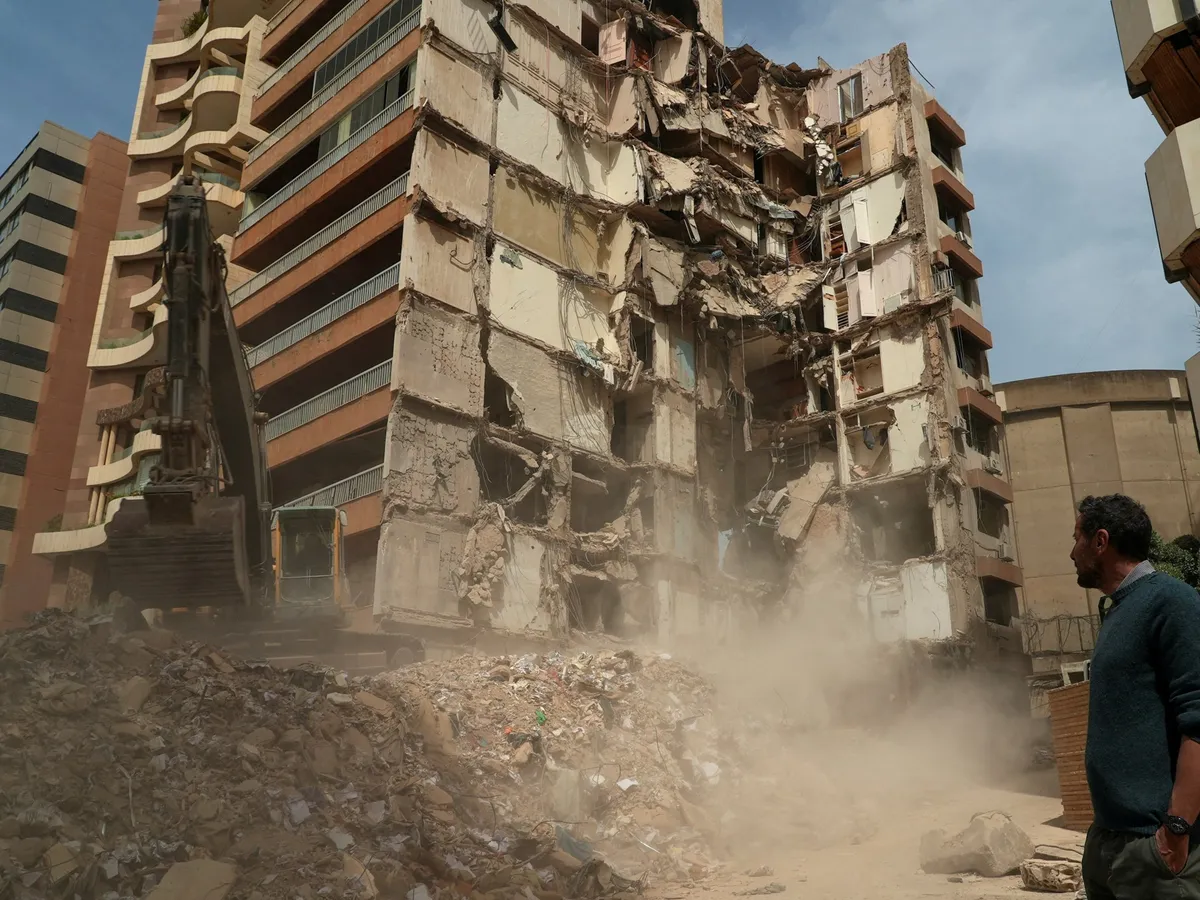
Al JazeeraFIG 01
Reading time
4min
Word count
936words
Sources cited
5cited
Entities identified
10entities
Quality score
100%
§ 01
Briefing Summary
AI-generatedNEWSAR · AI
In April 2026, former U.S. President Donald Trump announced that the leaders of Israel and Lebanon would speak for the first time in 34 years on Thursday. This announcement followed the first direct diplomatic talks between Israeli and Lebanese ambassadors in Washington, D.C., in over three decades, where Lebanon sought an end to Israeli attacks. While an Israeli official confirmed Prime Minister Netanyahu would speak with Lebanese President Aoun, Lebanese officials stated they had no information about the talks. President Aoun emphasized the need for a ceasefire before any direct negotiations, seeking to halt the escalation and destruction in Lebanon. Lebanon was drawn into the US-Israel war on Iran after Hezbollah fired rockets at Israel in retaliation for the killing of Iran’s Supreme Leader and ceasefire violations.
Confidence 0.90Sources 5Claims 5Entities 10
§ 02
Article analysis
Model · rule-basedFraming
Diplomatic
Conflict
Tone
Measured
AI-assessed
CalmNeutralAlarmist
Factuality
0.80 / 1.00
Factual
LowHigh
Sources cited
5
Well sourced
FewMany
§ 03
Key claims
5 extracted01
Since March 2, Israeli forces have killed more than 2,000 people in Lebanon and displaced some 1.2 million.
statisticArticle
Confidence
1.00
02
Netanyahu ordered the military to expand the invasion in southern Lebanon.
factualBenjamin Netanyahu
Confidence
1.00
03
Lebanese officials said they had “no information” about any upcoming contact or talks with Israel’s leadership.
quoteLebanese officials
Confidence
1.00
04
Israeli and Lebanese ambassadors held direct diplomatic talks in Washington, DC.
factualArticle
Confidence
1.00
05
Trump announced the leaders of Israel and Lebanon will speak on Thursday.
factualDonald Trump
Confidence
1.00
§ 04
Full report
4 min read · 936 words§ 05
Entities
10 identifiedKey playerOppositionContextPositiveNeutralNegative
People5
Organizations1
§ 06
Keywords & salience
9 termsisrael-lebanon talks
0.90
ceasefire
0.70
direct negotiations
0.60
israeli attacks
0.60
us-iran war
0.50
hezbollah
0.50
benjamin netanyahu
0.40
joseph aoun
0.40
diplomatic talks
0.40
§ 07
Topic connections
Interactive graph Network visualization showing 51 related topics
View Full Graph Person Organization Location Event|Click node to navigate|Edge numbers = shared articles