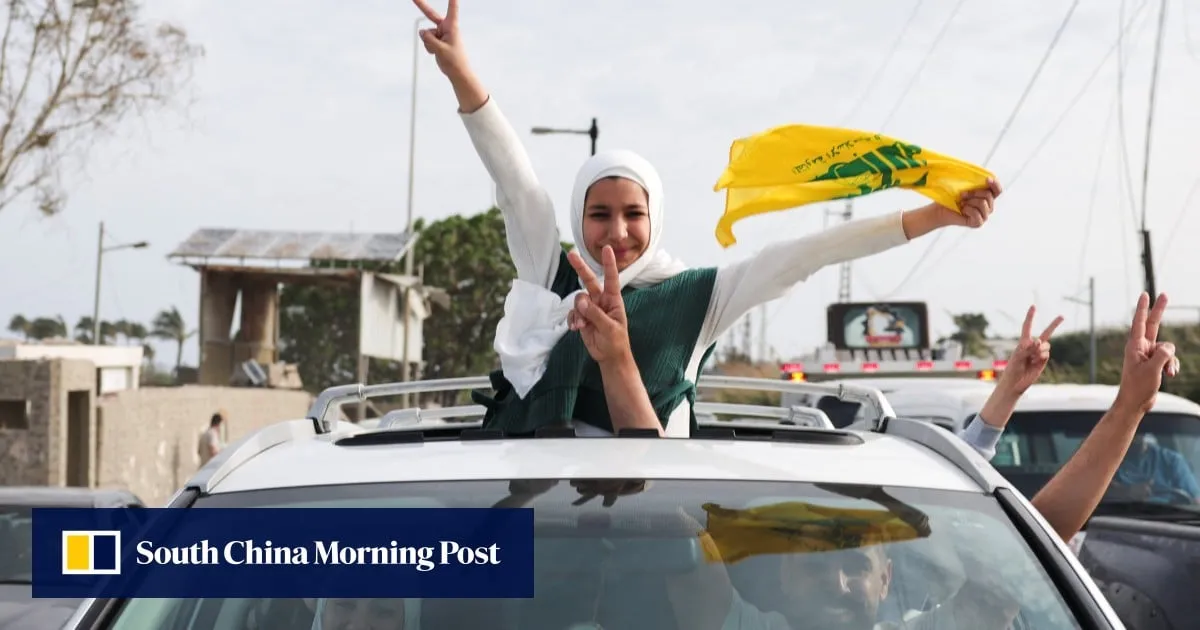
A temporary ceasefire between Israel and Lebanon unveiled by US President Donald Trump on Thursday was the final turn in the diplomatic maze leading to a breakthrough in Pakistan-mediated peace talks between Washington and Tehran, analysts say.Arranged by Pakistan with help from Saudi Arabia, the 10-day cessation of hostilities in Lebanon was a key Iranian condition for a second and potentially conclusive round of talks in Islamabad on a date yet to be set.Marathon talks between high-powered delegations led by US Vice President J.D. Vance and Iranian parliamentary speaker Mohammed Bagher Ghalibaf in Islamabad last weekend stalled over Washington’s reluctance to include Lebanon on the agenda and Tehran’s refusal to cease its uranium enrichment activity, according to officials on both sides.Israel reluctantly agreed to the ceasefire on the condition that its forces would remain in parts of southern Lebanon, which it has occupied since its war against Iran alongside the US was launched on February 28.But it was “very unlikely” that the Israel-Lebanon ceasefire would last without progress in Islamabad, according to Hussein Ibish, an expert on the Levant and senior resident scholar of the Washington-based Arab Gulf States Institute.The Israeli government “appears committed to a major war” with Hezbollah and was trying to “deliver a knockout blow” to the key Iranian ally. “They are taking a break now to facilitate US negotiations with Iran, but I think they’re keen to start the war again as soon as possible,” Ibish said.
SRCSouth China Morning Post
LANGEN
LEANCenter-Right
WORDS241
ENT11
FRI · 2026-04-17 · 13:00 GMTBRIEF NSR-2026-0417-70340
NSR-2026-0417-70340News Report·EN·Diplomatic
Lebanon becomes key to Iran-US peace talks amid fears of Israel’s ‘hegemony’
A temporary ceasefire between Israel and Lebanon, arranged by Pakistan with Saudi Arabia's help, has become a key condition for further US-Iran peace talks mediated by Pakistan. The ceasefire, unveiled by the US, follows stalled talks in Islamabad where Iran insisted on including Lebanon in the agenda and refused to halt uranium enrichment.
Tom HussainSouth China Morning PostFiled 2026-04-17 · 13:00 GMTLean · Center-RightRead · 1 min
South China Morning PostFIG 01
Reading time
1min
Word count
241words
Sources cited
1cited
Entities identified
11entities
Quality score
100%
§ 01
Briefing Summary
AI-generatedNEWSAR · AI
A temporary ceasefire between Israel and Lebanon, arranged by Pakistan with Saudi Arabia's help, has become a key condition for further US-Iran peace talks mediated by Pakistan. The ceasefire, unveiled by the US, follows stalled talks in Islamabad where Iran insisted on including Lebanon in the agenda and refused to halt uranium enrichment. Israel reluctantly agreed to the 10-day ceasefire, maintaining its forces in parts of southern Lebanon occupied since the start of its war against Iran alongside the US in February. Analysts suggest Israel is using the ceasefire to facilitate US-Iran negotiations but may resume hostilities with Hezbollah, a key Iranian ally, if no progress is made in Islamabad. The next round of talks is scheduled to take place in Islamabad on a date yet to be set.
Confidence 0.90Sources 1Claims 5Entities 11
§ 02
Article analysis
Model · rule-basedFraming
Diplomatic
National Security
Tone
Mixed Tone
AI-assessed
CalmNeutralAlarmist
Factuality
0.60 / 1.00
Mixed
LowHigh
Sources cited
1
Limited
FewMany
§ 03
Key claims
5 extracted01
A temporary ceasefire between Israel and Lebanon was unveiled by US President Donald Trump.
factualnull
Confidence
1.00
02
Israel reluctantly agreed to the ceasefire on the condition that its forces remain in parts of southern Lebanon.
factualnull
Confidence
0.90
03
Pakistan, with Saudi Arabia's help, arranged the 10-day cessation of hostilities in Lebanon.
factualnull
Confidence
0.90
04
The ceasefire was a key Iranian condition for a second round of talks in Islamabad.
factualnull
Confidence
0.80
05
It was “very unlikely” that the Israel-Lebanon ceasefire would last without progress in Islamabad.
quoteHussein Ibish
Confidence
0.70
§ 04
Full report
1 min read · 241 words§ 05
Entities
11 identifiedKey playerOppositionContextPositiveNeutralNegative
People4
Organizations1
§ 06
Keywords & salience
10 termspeace talks
0.90
iran
0.80
us
0.80
ceasefire
0.70
lebanon
0.70
israel
0.70
diplomacy
0.60
uranium enrichment
0.50
hezbollah
0.50
islamabad
0.40
§ 07
Topic connections
Interactive graph Network visualization showing 51 related topics
View Full Graph Person Organization Location Event|Click node to navigate|Edge numbers = shared articles