Fresh talks between the US and Iran are uncertain. But these are the key figures who have driven negotiations so far.Negotiators from the United States are expected to arrive in Pakistan’s capital, Islamabad, for a second round of talks with Iran aimed at extending a two-week ceasefire that is set to expire on Wednesday.The diplomatic efforts are unfolding amid sharp military escalation, hours after the US Navy intercepted and captured the Touska, a 294m (965 feet) long Iranian-flagged container ship in the Oman" class="entity-link entity-location" data-entity-id="2457" data-entity-type="location">Gulf of Oman.The negotiations follow a period of heightened rhetoric, with US President Donald Trump threatening to destroy Iran and wipe out power plants and civilian infrastructure if a deal is not reached. Tehran has labelled the ship’s seizure “piracy” and has expressed uncertainty regarding its participation in the sessions while the naval blockade remains.The current diplomatic track predates the outbreak of the US-Israel war on Iran, which began on February 28. While some figures at the table led indirect talks before the conflict, another key Iranian negotiator has been permanently silenced.The absent negotiatorJust weeks before the war broke out, Ali Larijani, the secretary of Iran’s Supreme National Security Council, was engaged in indirect negotiations with Washington, mediated by Oman. Born in 1958, Larijani was widely viewed as the pragmatic face of the Iranian establishment. A mathematician and philosopher who wrote his university thesis on Immanuel Kant, he served as the country’s chief nuclear negotiator and was a bridge between the security apparatus and the political establishment. He was killed in an Israeli air attack in early March, removing one of Tehran’s most experienced strategic minds from the current diplomatic equation.
SRCAl Jazeera
LANGEN
LEANCenter
WORDS273
ENT8
MON · 2026-04-20 · 10:06 GMTBRIEF NSR-2026-0420-70910
NSR-2026-0420-70910News Report·EN·National Security
Second round in Islamabad: Who are the main US-Iran negotiators?
US and Iranian negotiators are expected to meet in Islamabad for a second round of talks aimed at extending a ceasefire, despite recent military escalation including the US Navy's capture of an Iranian container ship. These talks follow heightened tensions and threats from the US, with Iran labeling the ship seizure as "piracy" and expressing uncertainty about continuing negotiations.
Mohammad MansourAl JazeeraFiled 2026-04-20 · 10:06 GMTLean · CenterRead · 2 min
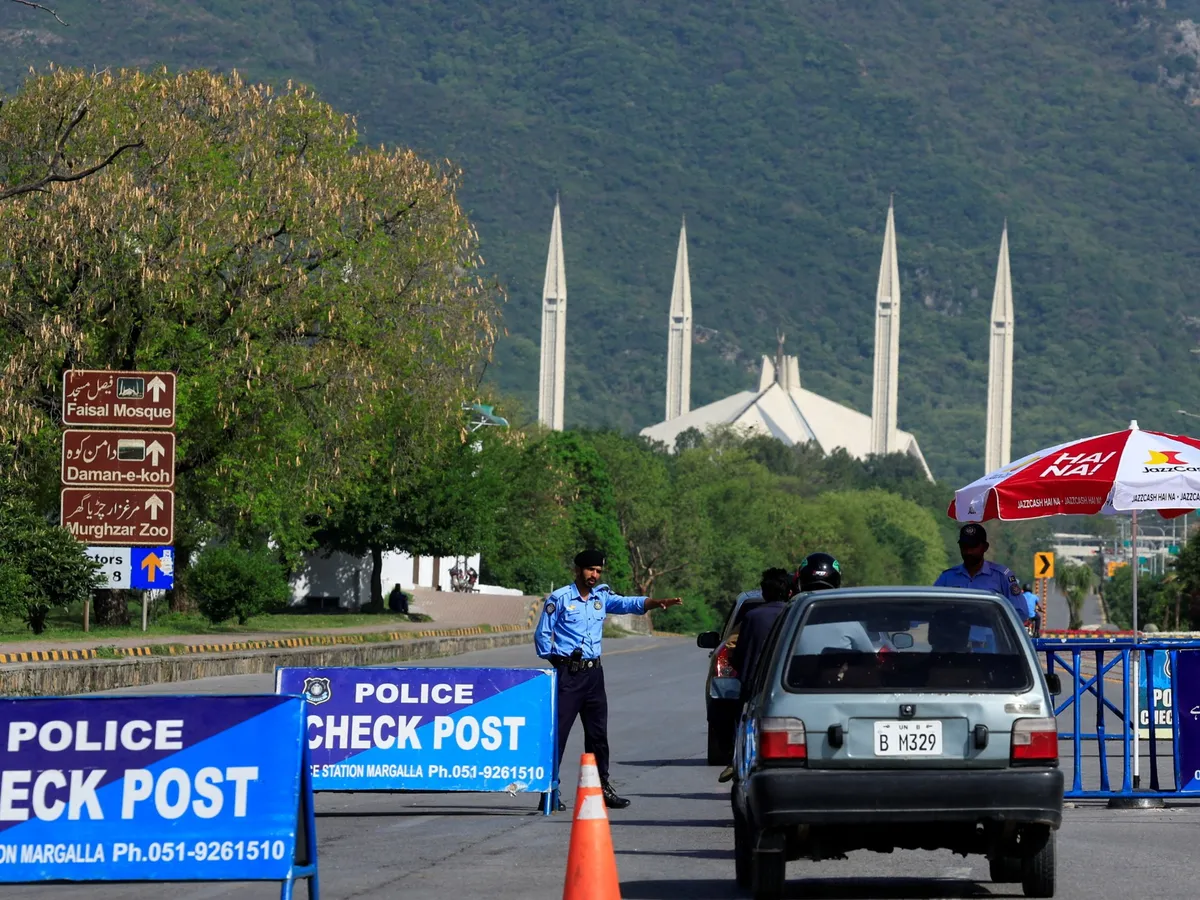
Al JazeeraFIG 01
Reading time
2min
Word count
273words
Sources cited
3cited
Entities identified
8entities
Quality score
75%
§ 01
Briefing Summary
AI-generatedNEWSAR · AI
US and Iranian negotiators are expected to meet in Islamabad for a second round of talks aimed at extending a ceasefire, despite recent military escalation including the US Navy's capture of an Iranian container ship. These talks follow heightened tensions and threats from the US, with Iran labeling the ship seizure as "piracy" and expressing uncertainty about continuing negotiations. The diplomatic efforts predate the US-Israel war on Iran, which began in late February. A key Iranian negotiator, Ali Larijani, who was involved in indirect talks mediated by Oman, was killed in an Israeli air attack in early March. His absence removes an experienced strategic mind from the current negotiations.
Confidence 0.90Sources 3Claims 5Entities 8
§ 02
Article analysis
Model · rule-basedFraming
National Security
Tone
Measured
AI-assessed
CalmNeutralAlarmist
Factuality
0.85 / 1.00
Factual
LowHigh
Sources cited
3
Well sourced
FewMany
§ 03
Key claims
5 extracted01
The diplomatic efforts are unfolding amid sharp military escalation, hours after the US Navy intercepted and captured the Touska, a 294m (965 feet) long Iranian-flagged container ship in the Gulf of Oman.
factual
Confidence
1.00
02
Ali Larijani, the secretary of Iran’s Supreme National Security Council, was engaged in indirect negotiations with Washington, mediated by Oman.
factual
Confidence
1.00
03
Tehran has labelled the ship’s seizure “piracy” and has expressed uncertainty regarding its participation in the sessions while the naval blockade remains.
quote
Confidence
1.00
04
The US Navy intercepted and captured the Touska, a 294m (965 feet) long Iranian-flagged container ship in the Gulf of Oman.
factualUS Navy
Confidence
1.00
05
US President Donald Trump threatening to destroy Iran and wipe out power plants and civilian infrastructure if a deal is not reached.
quote
Confidence
0.80
§ 04
Full report
2 min read · 273 words§ 05
Entities
8 identifiedKey playerOppositionContextPositiveNeutralNegative
Organizations1