The move reflects a widening confrontation with Saudi Arabia and a fundamental realignment of alliances.International consultant in energy and global affairs.Published On 29 Apr 2026For decades, the Organization of the Petroleum Exporting Countries (OPEC) functioned as far more than an oil cartel. For its Gulf members, the organisation embodied a form of collective sovereignty over their primary resource: the capacity of Arab producing states to weigh together on the global economy, defend a shared rent and speak with a coordinated voice to Western consumers. That institutional fiction has just collapsed.When the United Arab Emirates (UAE) announced its withdrawal from OPEC and the expanded coalition known as OPEC+, effective May 1, 2026, the immediate reflex was to reach for a technical explanation. Energy Minister Suhail Al Mazrouei carefully dressed the decision in the language of energy policy: flexibility, productive capacity, long-term national interest. Markets noted that the timing, with the Strait of Hormuz partially closed, would limit the immediate price impact. Analysts pointed to the longstanding tension with the quotas imposed on Abu Dhabi National Oil Company’s (ADNOC) ambition to reach five million barrels per day.All of that is real. But focusing on these technical dimensions means missing what matters.The UAE’s departure is, above all, the visible sign of a deep regional rupture between Riyadh and Abu Dhabi first, but beyond that, between two incompatible visions of what Gulf order should look like.A rivalry that stopped being discreetThe Saudi-Emirati fracture is not new, but it crossed a qualitative threshold in late 2025. On December 29 , Saudi Arabian air strikes targeted an Emirati weapons convoy at the port of Mukalla in Yemen, an act without precedent between two nominal allies. Riyadh then publicly demanded the withdrawal of all UAE forces from Yemeni territory and in early 2026, that call was answered with the dissolution of the Southern Transitional Council (STC), Abu Dhabi’s principal proxy in the country.
SRCAl Jazeera
LANGEN
OutletState media · Qatar
WORDS316
WED · 2026-04-29 · 11:22 GMTBRIEF NSR-2026-0429-72426
NSR-2026-0429-72426Analysis·EN·Conflict
The UAE’s OPEC exit is not about oil; it is the end of Gulf solidarity
The United Arab Emirates (UAE) announced its withdrawal from OPEC and OPEC+ effective May 1, 2026. While framed in terms of energy policy and national interest, this decision signifies a significant regional rupture, particularly between the UAE and Saudi Arabia.
Anas AbdounAl JazeeraFiled 2026-04-29 · 11:22 GMTOutlet · State media · QatarRead · 2 min
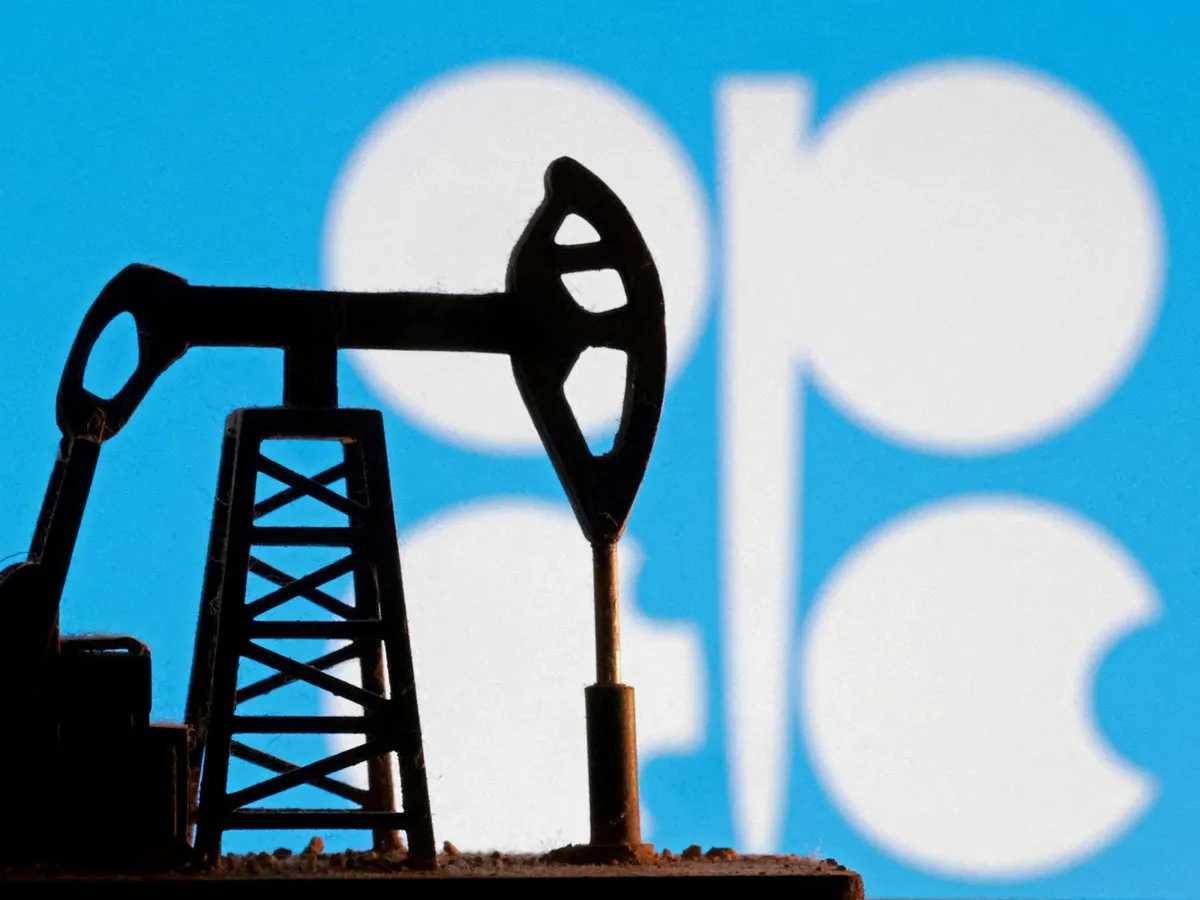
Al JazeeraFIG 01
Reading time
2min
Word count
316words
Sources cited
1cited
Entities identified
0entities
NEWSAR · AI
The United Arab Emirates (UAE) announced its withdrawal from OPEC and OPEC+ effective May 1, 2026. While framed in terms of energy policy and national interest, this decision signifies a significant regional rupture, particularly between the UAE and Saudi Arabia. This divergence reflects fundamentally different visions for the future of the Gulf region. The move follows a period of escalating tensions, including a Saudi airstrike on an Emirati convoy in Yemen in late 2025 and subsequent Saudi demands for UAE withdrawal from the country, which led to the dissolution of Abu Dhabi's proxy force there in early 2026. The UAE's departure marks the end of decades of Gulf solidarity within OPEC, which previously represented collective sovereignty and a coordinated voice for Arab oil producers.
Confidence 0.90Sources 1Claims 5
Framing
Conflict
Diplomatic
Tone
Mixed Tone
AI-assessed
CalmNeutralAlarmist
Factuality
0.40 / 1.00
Mixed
LowHigh
Sources cited
1
Limited
FewMany
01
Abu Dhabi National Oil Company (ADNOC) has a long-standing ambition to reach a production capacity of five million barrels per day.
statistic
Confidence
1.00
02
The United Arab Emirates announced its withdrawal from OPEC and OPEC+ effective May 1, 2026.
factual
Confidence
1.00
03
Saudi Arabian air strikes targeted an Emirati weapons convoy at the port of Mukalla in Yemen on December 29, 2025.
factual
Confidence
0.95
04
The Southern Transitional Council (STC) was dissolved in early 2026 following Saudi demands for UAE withdrawal from Yemen.
factual
Confidence
0.90
05
The UAE's decision to leave OPEC is driven by a fundamental realignment of alliances and a deep regional rupture with Saudi Arabia.
prediction
Confidence
0.85
§ 04
Full report
2 min read · 316 wordsgulf solidarity
1.00
opec exit
1.00
saudi-emirati fracture
0.90
collective sovereignty
0.80
energy policy
0.70
yemen conflict
0.60
strait of hormuz
0.50
adnoc
0.40
opec+
0.40