Supreme Court restores access to abortion pill mifepristone through telehealth, mail and pharmacies
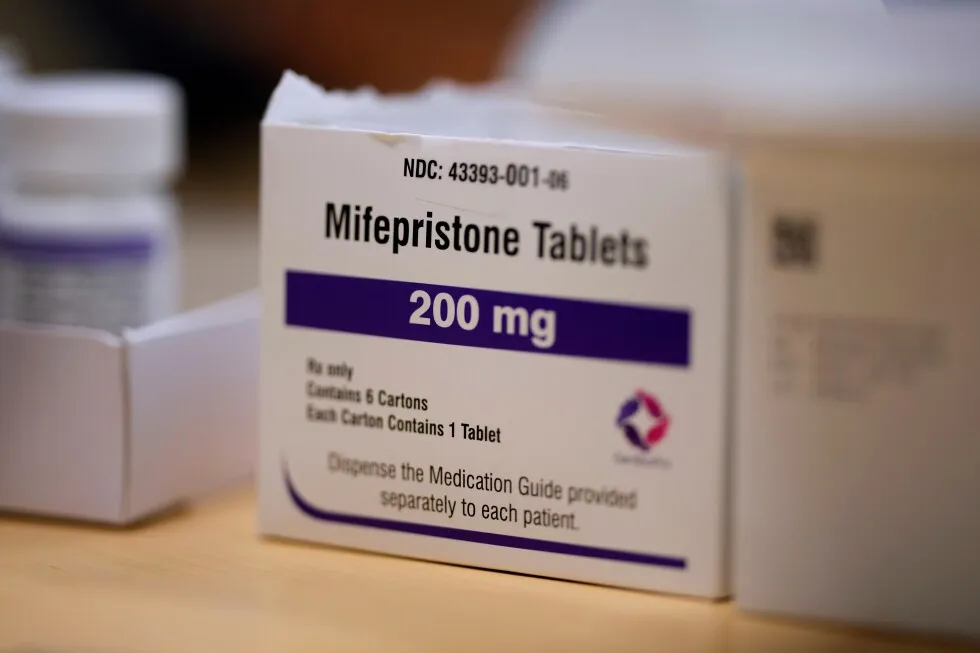
The Supreme Court has temporarily restored broad access to the abortion pill mifepristone, blocking a lower court ruling that had restricted its availability. Justice Samuel Alito's order allows women to obtain the pill through pharmacies or mail without an in-person doctor's visit, practices that had been permitted for years.
Briefing Summary
AI-generatedThe Supreme Court has temporarily restored broad access to the abortion pill mifepristone, blocking a lower court ruling that had restricted its availability. Justice Samuel Alito's order allows women to obtain the pill through pharmacies or mail without an in-person doctor's visit, practices that had been permitted for years. This decision remains in effect for one week while the court further considers the issue. The ruling is significant as medication abortions, often using mifepristone, are the most common method in the U.S. and have been used to circumvent abortion bans in some states. The case originated from a lawsuit challenging the FDA's rules on mifepristone prescription, questioning its safety and the policy's impact on state bans.
Article analysis
Model · rule-basedKey claims
5 extractedThe drug mifepristone was approved 25 years ago and has repeatedly been deemed safe and effective by FDA scientists.
The order temporarily allows women to obtain the pill at pharmacies or through the mail without an in-person doctor visit.
The Supreme Court restored broad access to the abortion pill mifepristone.
Most abortions in the U.S. are obtained through medications.
One recent report suggested that in 13 states where abortion is banned, more women obtained abortions with pills prescribed by telehealth last year than by traveling.