Supreme Court temporarily extends women’s access to a widely used abortion pill
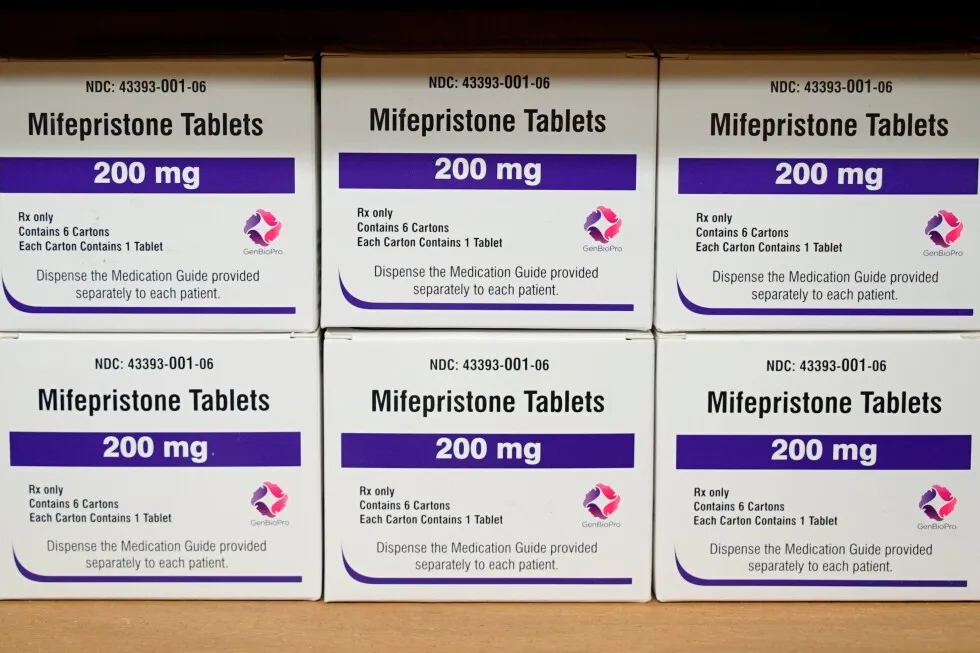
The Supreme Court has temporarily preserved women's access to the abortion pill mifepristone, preventing restrictions imposed by a federal appeals court from taking effect until at least Thursday. Justice Samuel Alito issued the order, allowing the pill to continue being obtained via pharmacies or mail without an in-person doctor's visit while the Court considers the case.
Briefing Summary
AI-generatedThe Supreme Court has temporarily preserved women's access to the abortion pill mifepristone, preventing restrictions imposed by a federal appeals court from taking effect until at least Thursday. Justice Samuel Alito issued the order, allowing the pill to continue being obtained via pharmacies or mail without an in-person doctor's visit while the Court considers the case. This legal challenge stems from a lawsuit filed by Louisiana, which seeks to roll back FDA regulations on mifepristone, arguing it undermines state abortion bans and questioning the drug's safety. Lower courts had previously favored Louisiana, suggesting mail and telehealth access should be suspended. Mifepristone, used in medication abortions which constituted nearly two-thirds of U.S. abortions in 2023, remains accessible for now.
Article analysis
Model · rule-basedKey claims
5 extractedMedication abortions accounted for nearly two-thirds of all abortions in the U.S. in 2023.
The case stems from a lawsuit filed by Louisiana to roll back FDA rules on mifepristone prescription.
Justice Samuel Alito's order allows continued access to mifepristone via pharmacies or mail without an in-person doctor visit.
The Supreme Court is temporarily extending women's access to mifepristone until at least Thursday.
Lower courts concluded that Louisiana is likely to prevail in its lawsuit.