EDITOR'S ANALYSISHouthis weigh risks as Saudi-backed campaign to unite forces could challenge their decade-long hold on northwest Yemen.Houthi supporters gather in Sanaa, Yemen [File: Osamah Abdulrahman/AP Photo]Published On 14 Jan 2026After years of being at the forefront of developments in Yemen – and the wider region – the Houthis have been watching recent events from the sidelines.The Yemeni rebel group, which is backed and funded by Iran, has controlled the capital Sanaa and much of the country’s northwest since 2014. Many see it as being in part successful for the past decade because its opponents have been so divided.Recommended Stories list of 3 itemslist 1 of 3Trump cancels US-Iran meetings, urges protesters to take over institutionslist 2 of 3‘Last straw’: Somalia cuts UAE ties after Yemen separatist’s illegal entrylist 3 of 3Yemen’s Saudi-backed government retakes southern areas from STC: What next?end of listThe Yemeni Government has been weak, unable to rule all of the areas that were nominally under its control, let alone retake territory from the Houthis.But an ongoing Saudi-backed campaign against the separatist Southern Transitional Council (STC) now sees the government claiming control of all territory not under Houthi domination.For the first time in years, the government, led by President Rashad al-Alimi, is exuding confidence. Al-Alimi has announced the formation of a Supreme Military Committee (SMC) that will integrate all the disparate anti-Houthi forces into the Yemeni military.(Al Jazeera)In a speech on Saturday, al-Alimi said that the SMC would “prepare for the next phase if the militias refuse peaceful solutions”, in a clear threat to the Houthis.The Houthis appear to have recognised the threat, with several high-ranking officials expressing the need to be prepared to fight.Survival is victoryThe Houthis currently feel emboldened in their ability to withstand attacks, having become an influential regional player with their strikes on shipping in the Red Sea and Israel.They have also held out against attacks from the United States, the United Kingdom and Israel since 2023, and prior to that, the Saudi-led coalition that backs the Yemeni Government.The Houthis see their very survival as a victory. Emerging from the mountains of Yemen’s far north, they have come back from near total defeat against the Yemeni military in the late 2000s to their current position as the de facto authority in Yemen’s most populous regions.Fired by religious zeal and devotion to a leader, Abdel-Malik al-Houthi, who they believe to be divinely appointed, the group still thinks they are in a strong position, even if the Yemeni Government is showing signs of life.The central issue that prevented a peace deal in Yemen – the belief on both sides that total victory is achievable – remains.For the Houthis, the Yemeni Government is a mere puppet in the hands of Saudi Arabia and the West, and not worth talking to.Instead, they are of the opinion that real negotiations can only be had with Riyadh, and are firm that the end result will be their continued presence in Sanaa.The Houthis also think that previous attacks against Saudi Arabia have eventually led to negotiations, with missile attacks on targets like an oil storage facility in Jeddah in 2022 damaging the kingdom’s image as a safe and business-friendly country.The Houthis, therefore, know that they retain a threat towards Saudi Arabia and the Gulf – a threat that may prevent a full-throated campaign to retake Sanaa. That means the Houthis have no need to make any rash moves, and are instead able to wait and observe the fallout from events in southern and eastern Yemen.Houthi gambleAnd yet, Saudi Arabia’s willingness in December to openly militarily confront the allies of the United Arab Emirates (UAE) in Yemen may indicate a change of mentality in Riyadh.The STC launched an offensive against Saudi-backed government troops in December, seeking an independent state in the south.Their advance aimed to control broad swaths of southern Yemen, including the Hadramout and Mahra provinces, in defiance of warnings from Riyadh. Hadramout borders Saudi Arabia, while Mahra is close to the border.The conflict between the Houthis and their opponents has been largely frozen since a ceasefire in 2022. During that time, negotiations between the Houthis and Saudi Arabia have taken place periodically, indicating an openness from the latter to close the chapter of its involvement in Yemen’s war.Do the Houthis now think they are at risk of renewed attack from the Yemeni Government and Saudi Arabia? Or do they feel confident that they are strong enough to deter any such attack?A reorganised and united anti-Houthi force would be a much greater threat than the Houthis have faced since at least 2018. Then, the Houthis almost lost their most important port – Hodeidah on the Red Sea coast – before international pressure stopped the anti-Houthi advance.Hodeidah seems to be the most obvious choice for the Yemeni Government if it does decide to move militarily against the Houthis. It is easier to fight the Houthis on the coastal plain than it is in the mountains, and the international community may be less willing to step in to stop an attack after the Houthis’ conduct in the Red Sea.Losing the port city would also be a vital blow to the Houthis economically, particularly with the group’s main backer, Iran, going through its own economic problems, and likely unable to provide the same level of support as it has previously.The Houthis face a dilemma. Do they attack first, or do they hope that they have established enough of a deterrence to stop any Saudi-backed moves against them?Yemen’s frozen conflict may be about to thaw – and the Houthis, increasingly alone in the region, will have to gamble on what their move will be soon.
SRCAl Jazeera
LANGEN
LEANCenter
WORDS941
ENT12
WED · 2026-01-14 · 15:33 GMTBRIEF NSR-2026-0114-7518
NSR-2026-0114-7518Analysis·EN·Conflict
Is the Yemeni government getting ready to attack the Houthis?
Since 2014, the Houthi rebels, backed by Iran, have controlled Yemen's capital, Sanaa, and much of the northwest. In January 2026, the Saudi-backed Yemeni government, led by President Rashad al-Alimi, is consolidating control over non-Houthi territories after campaigns against separatist groups.
Abubakr Al-ShamahiAl JazeeraFiled 2026-01-14 · 15:33 GMTLean · CenterRead · 4 min
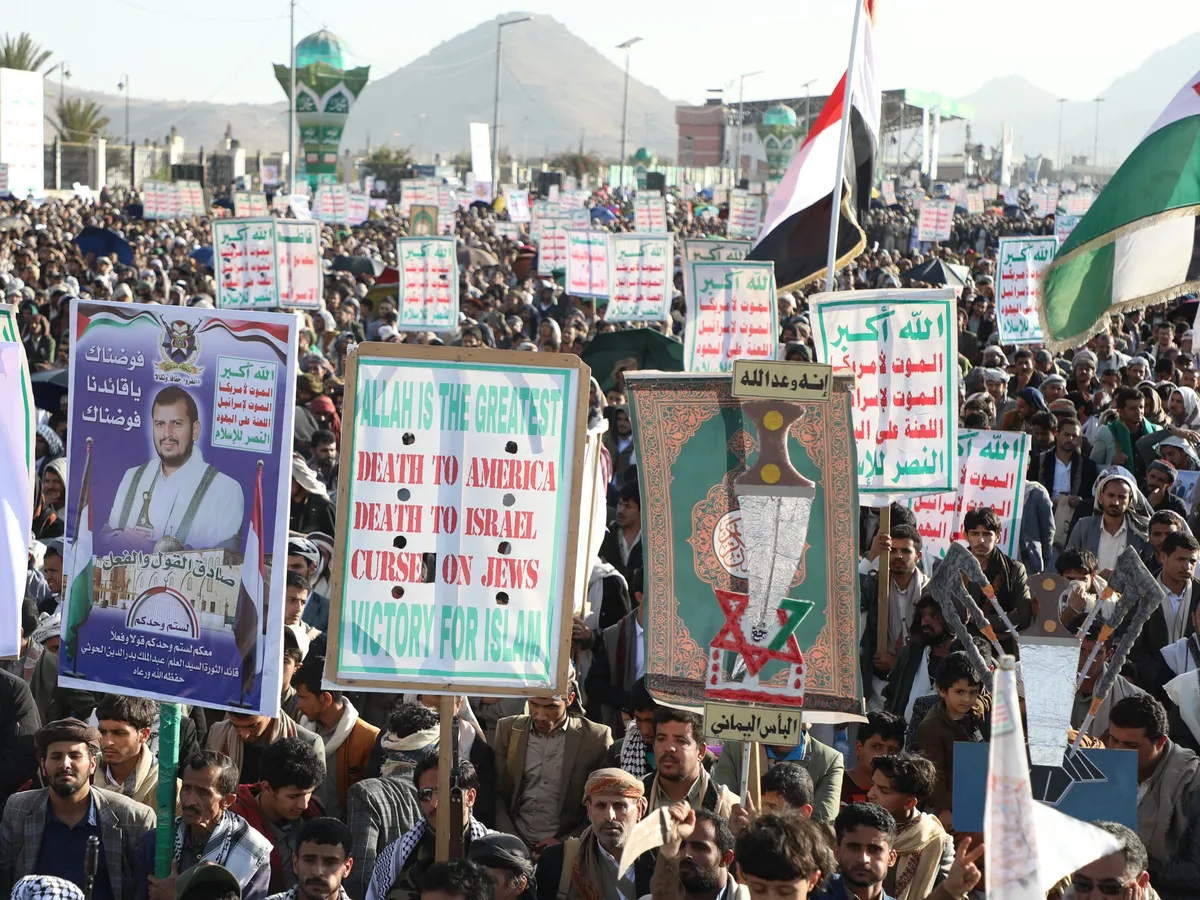
Al JazeeraFIG 01
Reading time
4min
Word count
941words
Sources cited
2cited
Entities identified
12entities
Quality score
100%
§ 01
Briefing Summary
AI-generatedNEWSAR · AI
Since 2014, the Houthi rebels, backed by Iran, have controlled Yemen's capital, Sanaa, and much of the northwest. In January 2026, the Saudi-backed Yemeni government, led by President Rashad al-Alimi, is consolidating control over non-Houthi territories after campaigns against separatist groups. Al-Alimi announced the formation of a Supreme Military Committee to integrate anti-Houthi forces, signaling a potential offensive if the Houthis reject peaceful resolutions. Houthi officials have acknowledged the threat and expressed the need to prepare for fighting. Despite attacks from the US, UK, Israel, and the Saudi-led coalition, the Houthis feel emboldened and view their survival as a victory, maintaining control over populous regions of Yemen.
Confidence 0.90Sources 2Claims 5Entities 12
§ 02
Article analysis
Model · rule-basedFraming
Conflict
Political Strategy
Tone
Measured
AI-assessed
CalmNeutralAlarmist
Factuality
0.60 / 1.00
Mixed
LowHigh
Sources cited
2
Limited
FewMany
§ 03
Key claims
5 extracted01
Al-Alimi said that the SMC would “prepare for the next phase if the militias refuse peaceful solutions”.
quoteRashad al-Alimi
Confidence
1.00
02
The Houthis have controlled the capital Sanaa and much of the country’s northwest since 2014.
factualAl Jazeera
Confidence
1.00
03
The Houthis see their very survival as a victory.
factualAl Jazeera
Confidence
0.90
04
The Houthis have held out against attacks from the United States, the United Kingdom and Israel since 2023.
factualAl Jazeera
Confidence
0.80
05
The Yemeni government is exuding confidence.
factualAl Jazeera
Confidence
0.70
§ 04
Full report
4 min read · 941 words§ 05
Entities
12 identifiedKey playerOppositionContextPositiveNeutralNegative
Organizations4
§ 06
Keywords & salience
8 termshouthis
1.00
yemeni government
0.90
yemen
0.80
saudi-backed campaign
0.70
conflict
0.60
supreme military committee
0.50
sanaa
0.40
southern transitional council
0.40
§ 07
Topic connections
Interactive graph Network visualization showing 51 related topics
View Full Graph Person Organization Location Event|Click node to navigate|Edge numbers = shared articles