Pakistan army chief Asim Munir arrives in Tehran as mediation efforts to secure a US-Iran peace deal intensify.Published On 23 May 2026Pakistan’s powerful army chief, Field Marshal Asim Munir, arrived in Tehran on Friday as diplomatic efforts to broker a peace agreement between Iran and the United States intensified. Pakistani officials are reportedly playing a growing mediation role as regional powers push to prevent a wider conflict.But Iranian officials have tempered expectations for a quick breakthrough. Iran’s Foreign Ministry spokesperson said differences in the mediated talks between Tehran and Washington remain “deep and significant”, signalling that major obstacles still stand in the way of a formal agreement.Meanwhile, outrage is growing over Israel’s treatment of Gaza aid flotilla activists after organisers of the Global Sumud Flotilla said at least 15 detainees reported incidents of sexual assault, including rape, following their seizure by Israeli forces in international waters. The allegations have added to mounting international scrutiny over Israel’s handling of pro-Palestinian activists and detainees.Here is what we know:In Iran Hormuz ‘security service’: Iran said fees and tolls linked to transit through the Strait of Hormuz are part of a “security service” provided to vessels crossing the strategic waterway, as Tehran rejects US threats of escalation and asserts control over the strait under what it calls a “new reality”. Iranian officials say more than 30 vessels passed through the Strait of Hormuz in coordination with the Islamic Revolutionary Guard Corps navy over the past day. War halt ‘essential’: An Iranian official said stopping the war “on all fronts” is a necessary condition for any future negotiations with the US, while stressing that no final agreement has yet been reached despite ongoing efforts to bridge differences between Tehran and Washington. The source added that a positive diplomatic atmosphere alone is “not enough” to secure a deal.
SRCAl Jazeera
LANGEN
OutletState media · Qatar
WORDS302
ENT10
SAT · 2026-05-23 · 06:51 GMTBRIEF NSR-2026-0523-78599
NSR-2026-0523-78599News Report·EN·Diplomatic
Iran war day 85: Tehran says major gaps remain in US talks
Pakistan's army chief, Asim Munir, arrived in Tehran on Friday, May 23, 2026, as mediation efforts for a US-Iran peace deal intensified. While Pakistan is reportedly playing a growing role, Iran's Foreign Ministry stated that significant differences remain in the mediated talks with Washington, indicating major obstacles to an agreement.
Elizabeth MelimopoulosAl JazeeraFiled 2026-05-23 · 06:51 GMTOutlet · State media · QatarRead · 2 min
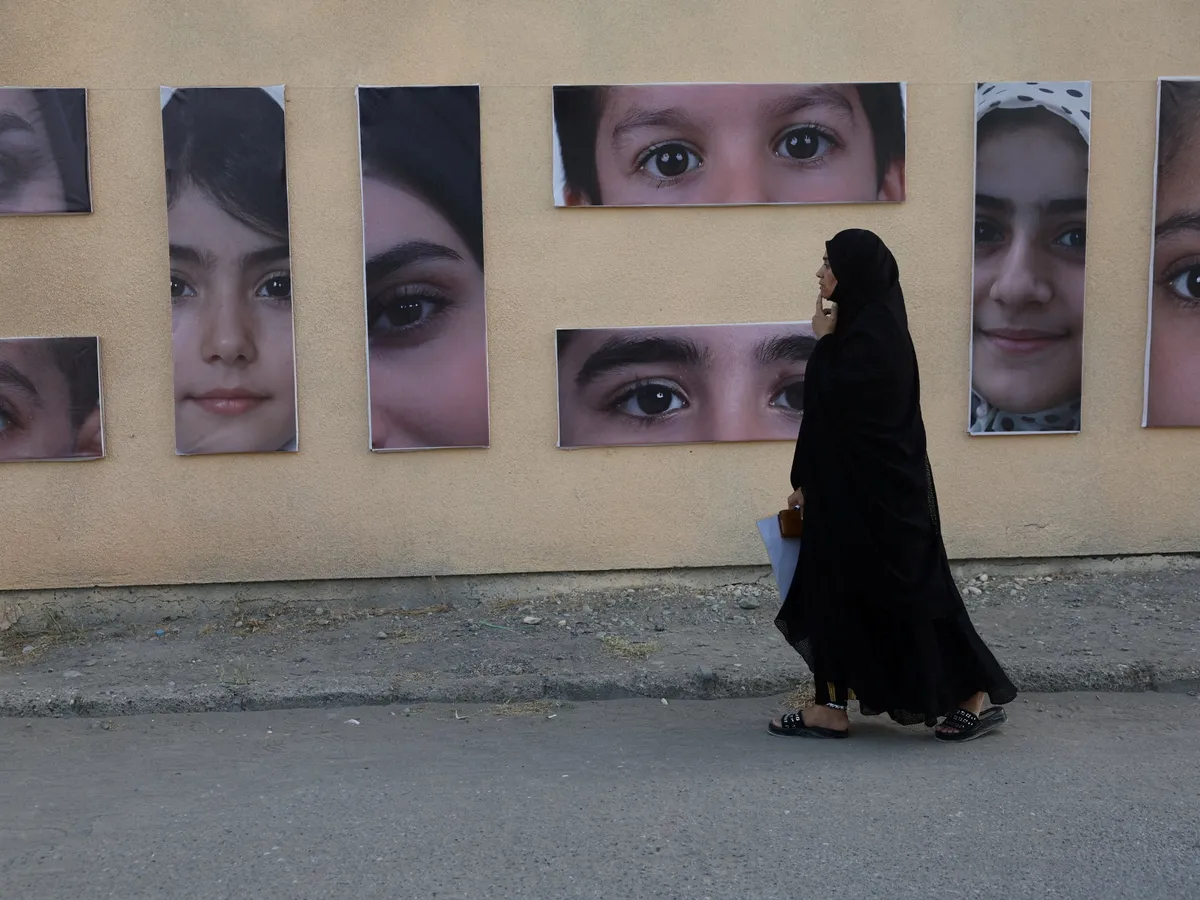
Al JazeeraFIG 01
Reading time
2min
Word count
302words
Sources cited
3cited
Entities identified
10entities
NEWSAR · AI
Pakistan's army chief, Asim Munir, arrived in Tehran on Friday, May 23, 2026, as mediation efforts for a US-Iran peace deal intensified. While Pakistan is reportedly playing a growing role, Iran's Foreign Ministry stated that significant differences remain in the mediated talks with Washington, indicating major obstacles to an agreement. Iran also asserted control over the Strait of Hormuz, calling transit fees a "security service" and rejecting US threats of escalation. An Iranian official emphasized that a halt to the war on all fronts is essential for any future negotiations, and a positive diplomatic atmosphere alone is insufficient for a deal. Separately, outrage is growing over alleged sexual assaults against Gaza aid flotilla activists seized by Israeli forces.
Confidence 0.90Sources 3Claims 5Entities 10
Framing
Diplomatic
Conflict
Tone
Mixed Tone
AI-assessed
CalmNeutralAlarmist
Factuality
0.70 / 1.00
Factual
LowHigh
Sources cited
3
Well sourced
FewMany
01
Iran's Foreign Ministry spokesperson said differences in the mediated talks between Tehran and Washington remain deep and significant.
quoteIran's Foreign Ministry spokesperson
Confidence
0.95
02
Pakistan army chief Asim Munir arrived in Tehran as mediation efforts to secure a US-Iran peace deal intensify.
factualarticle
Confidence
0.90
03
An Iranian official said stopping the war on all fronts is a necessary condition for any future negotiations with the US.
quoteAn Iranian official
Confidence
0.85
04
Iran said fees and tolls linked to transit through the Strait of Hormuz are part of a 'security service' provided to vessels.
factualIran
Confidence
0.85
05
Organizers of the Global Sumud Flotilla said at least 15 detainees reported incidents of sexual assault, including rape, following their seizure by Israeli forces.
factualGlobal Sumud Flotilla organizers
Confidence
0.80
§ 04
Full report
2 min read · 302 wordsKey playerOppositionContextPositiveNeutralNegative
Organizations2
us-iran peace deal
1.00
mediation efforts
0.90
strait of hormuz
0.80
gaza aid flotilla
0.70
pakistan army chief
0.60
sexual assault allegations
0.50
regional powers
0.40
security service
0.40
§ 07
Connections
Who appears together in the newsIn this articleWider coverageLine weight = articles in common
Laying out network…
Strongest ties articles in common
- 12,267
- 6,988
- 6,840
- 3,992
- 3,563
- 2,643
Recurring context not named in this article
- OReuterslinks 10
- LTurkeylinks 10
- OAl Jazeeralinks 10
- PBenjamin Netanyahulinks 10
- LTurkiyelinks 10
- OEuropean Unionlinks 10
- LEgyptlinks 10
- PDonald Trumplinks 9