An Iranian government announcement on Tuesday that an 88-day internet blackout was being brought to an end did not have any immediate noticeable impact, according to internet monitors.It was not clear if technical or political issues were delaying the end of the clampdown, the longest in Iran’s history, which was imposed during brutally suppressed protests in January.Iranian officials pointed to the return of Gmail inside Iran as an initial sign that the long demanded, and trailed, change was being implemented. The ban has cut Iranians – save for a privileged minority – off from the global internet.Fears of mass unemployment and commercial bankruptcy led to the president, Masoud Pezeshkian – who campaigned on the slogan of a free internet – to lobby behind the scenes with security officials for the restrictions to be lifted. A formal announcement was made after a vote by the special taskforce for cyberspace management.Iran’s communications minister, Sattar Hashemi, hailed the decision but said restoring the internet would be a gradual process.He said: “Internet restrictions in recent months have caused significant damage to the digital economy, online businesses, and the country’s service industries. The continuation of this situation could, in addition to the economic damage, have led to the weakening of investment, the emigration of elite human resources, and the expansion of communication patterns outside the framework of the country’s official governance.”security officials had resisted a return to the status quo prior to the January protests fearing free communication with the West might engender more protests. Iranian officials frequently blame satellite channels and social media content for beaming anti-government propaganda into Iranian homes, but many Iranians say the repression of the internet was designed to hide a systemic crackdown on protests, including a spate of judicial executions.A mobile phone in Iran failing to connect. Photograph: Majid Asgaripour/ReutersAmnesty International said last week that Iranian authorities “have arbitrarily executed at least 36 individuals sentenced to death after being convicted of politically motivated charges. At least 78 protesters, dissidents and others with real or perceived links to banned opposition groups are under sentence of death and at risk of execution.”One estimate suggests as many as 5m jobs in Iran are dependent on the internet, and the crackdown was worsening an already dire economic crisis symbolised by high inflation. The cost of food has spiralled, forcing staple parts of an Iranian’s diet, such as chicken, beyond the reach of many families. Female workers, including many in rural areas, were being hit especially hard by the cutoff.In remarks that were widely challenged, the ministry of labour last week denied the shutdown had led to job losses, saying companies operating on Instagram had switched to domestic messaging services such as Rubika. Many firms said their businesses had been dependent on the Google search engine, and the total losses to the economy were over $6m a day.A survey by the Tehran Electronics Association of more than 900 companies found the loss of access to WhatsApp, Telegram and Instagram meant they had lost access to 75% of their communication channels. More than 223,000 people had applied for government insurance since the start of the war, one small index of the numbers losing their jobs.The shutdown started during the January economic and political protests, but Iran’s national security council intensified the blackout when the US and Israel attacked on 28 February. Iran imposes fierce penalties on anyone found sending information or pictures to satellite channels such as Iran International.In an attempt to calm the repeated demand for the internet to be restored as a public right, the national security council approved a plan – called Internet Pro – to grant certain groups paid internet access, albeit with a daily usage limit on foreign websites and international data traffic. But the cost of access was prohibitive to many young people.Platforms such as Instagram, X and YouTube have long been formally blocked in Iran, but are routinely accessed via virtual private networks (VPNs). The Iranian political class frequently use X even though it is nominally unlawful. There is also a lucrative business in Iran in the sale of anti-filtering devices.
SRCThe Guardian - World News
LANGEN
LEANCenter-Left
WORDS683
ENT12
TUE · 2026-05-26 · 11:14 GMTBRIEF NSR-2026-0526-79277
NSR-2026-0526-79277News Report·EN·Human Rights
No sign of end to Iranian internet blackout despite regime claims
Iranian authorities announced an end to an 88-day internet blackout, the longest in the country's history, which began during protests in January. However, internet monitors have not observed any immediate impact, and it remains unclear if technical or political issues are causing the delay.
Patrick Wintour Diplomatic editorThe Guardian - World NewsFiled 2026-05-26 · 11:14 GMTLean · Center-LeftRead · 3 min
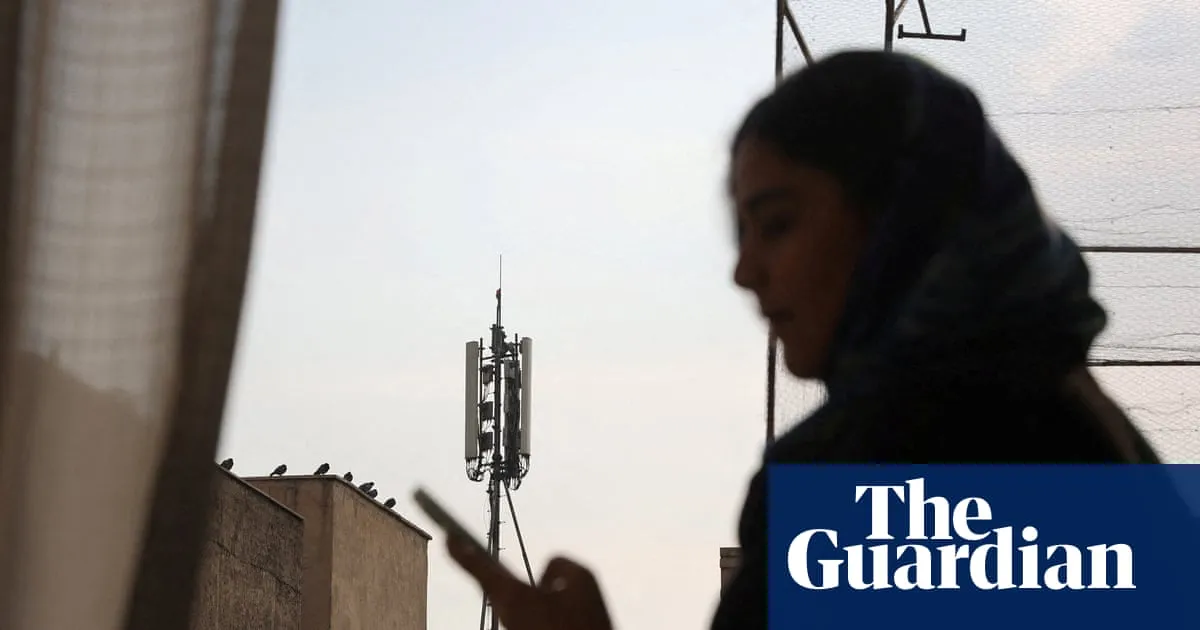
The Guardian - World NewsFIG 01
Reading time
3min
Word count
683words
Sources cited
4cited
Entities identified
12entities
Quality score
100%
§ 01
Briefing Summary
AI-generatedNEWSAR · AI
Iranian authorities announced an end to an 88-day internet blackout, the longest in the country's history, which began during protests in January. However, internet monitors have not observed any immediate impact, and it remains unclear if technical or political issues are causing the delay. The government cited the return of Gmail as an initial sign of restoration, a move supported by President Masoud Pezeshkian due to significant economic damage and fears of mass unemployment. Security officials had previously resisted lifting the restrictions, concerned about foreign communication fostering further protests. The blackout has severely impacted Iran's digital economy, with millions of jobs and businesses affected.
Confidence 0.90Sources 4Claims 5Entities 12
§ 02
Article analysis
Model · rule-basedFraming
Human Rights
Economic Impact
Tone
Mixed Tone
AI-assessed
CalmNeutralAlarmist
Factuality
0.70 / 1.00
Factual
LowHigh
Sources cited
4
Well sourced
FewMany
§ 03
Key claims
5 extracted01
Amnesty International reported Iranian authorities have arbitrarily executed at least 36 individuals and 78 others are under sentence of death.
statisticAmnesty International
Confidence
0.95
02
An 88-day internet blackout in Iran, imposed during protests, has not ended despite a government announcement.
factual
Confidence
0.90
03
The internet ban has cut off most Iranians from the global internet, impacting businesses and potentially leading to unemployment and emigration.
factual
Confidence
0.85
04
Iranian officials claimed the return of Gmail as a sign of the internet restoration, but monitors noted no immediate impact.
factualIranian officials, internet monitors
Confidence
0.80
05
The ministry of labor denied the shutdown led to job losses, stating companies switched to domestic messaging services.
factualministry of labor
Confidence
0.70
§ 04
Full report
3 min read · 683 words§ 05
Entities
12 identifiedKey playerOppositionContextPositiveNeutralNegative
§ 06
Keywords & salience
9 termsiran
1.00
internet blackout
1.00
protests
0.90
regime claims
0.80
cyberspace management
0.70
digital economy
0.60
human rights
0.50
judicial executions
0.50
economic crisis
0.40
§ 07
Topic connections
Interactive graph Network visualization showing 51 related topics
View Full Graph Person Organization Location Event|Click node to navigate|Edge numbers = shared articles