After 88 days of near-total internet blackout in Iran, long-delayed messages, images and poems flooded phones and social media feeds at about 5pm on Tuesday, when still-limited connectivity flickered back to life.The first reactions, however, were not celebratory. Many new posts were threaded with scepticism, anxiety and anger.Ellie*, 42, an artist from Tehran, was able to connect for the first time since 28 February. “I lit a cigarette, played SoundCloud and listened to our favourite music,” she said. “Ali [her husband] and I held back tears, then cried and convinced ourselves that this was a small taste of a much greater freedom after the fall of this regime … and we truly believe it.”The part-restoration hit global headlines, with many regime supporters applauding the government.Maryam*, a photographer in Tehran, said it was “nauseating to watch the celebrations and applause”.“What an absolute joke,” she said. “It’s been truly absurd watching western media celebrate partial restoration as if it’s an achievement to applaud the regime for. The internet is our basic right.”She said it had been more than six weeks since she had booked an assignment, she had had to borrow money from her parents, and part-restoration would not allow her to work effectively. “Mobile internet still can’t connect,” she said. “WhatsApp is barely in use, the only thing is that VPNs are easier to connect to now. That’s all.”Authorities initially imposed an internet blackout from 8 January in a crackdown on nationwide anti-government protests. Connections were gradually restored in February, before a new blackout after the start of US and Israeli strikes against Iran in late February.A small number of people managed to get online intermittently through costly VPNs and satellite internet, but the vast majority were stuck in digital isolation.For those unable to afford the rocketing price of VPNs that rarely worked, Tuesday was the first time they were able to post on their social media accounts. “Hello, fellow prisoners. I feel like I am on a temporary leave from prison,” a Tehran-based student posted on Instagram.In an attempt to meet the digital demands of businesses in select sectors, Iran’s national security council had approved “internet pro” last month, albeit with limitations. Some welcomed wider connectivity with cautious optimism, but others viewed it with suspicion.Iranians in Washington DC take part in a protest against the internet blackout on 2 May 2026. Photograph: Ali Khaligh/Zuma Press/AlamyMina*, 23, a protester arrested in January, said she feared expanded surveillance rather than a full restoration. “They have no reason to open the internet unless this is a way to move the population towards ‘internet pro’ or into tunnels where they can monitor us more easily,” she said. “We call this filternet. This is not a sign of freedom.”Posts mourned those executed or awaiting execution, videos showed grieving mothers clutching photographs of children killed during the January protests, and images documented the destruction brought by war. Many Iranians described scrolling through their phones in tears, confronting an archive of the loss that had unfolded.“My accounts are filled with videos of funerals of mothers wailing, fathers screaming and children lying on the graves of their parents. My heart is heavier than it was,” said Amin*, a professor based in Tehran. “We are the biggest losers of this war. It’s not the US, Israel and neither the Islamic Republic. We lost our livelihoods, our youth and our trust in the international community.”Humour, too, has returned in fragments, often edged with bitterness. “Trump needs to shut his DMs because he hasn’t faced the true wrath of those who trusted him to help,” said Moein*, an IT professional from Karaj. “The regime has clearly won the PR war because even those who hate the regime are also now angry at Trump.”The online return of friends and family also brought mixed feelings for Iranians in the diaspora. “I experienced strange feelings, both happy and sad,” said Mahshid Nazemi, 38, a human rights advocate based in Paris. “I was sad for my friends who were not online and I constantly checked their accounts to see if they were connected or not. I am not sure if they were arrested or killed.”She said her sister, who depended on the internet for work, had been distressed by the loss of her livelihood and was left with profound grief over images of those killed in January and during the war.Amin said the return of the internet was a reminder of all that had been lost: “What truly came back online is our misery, not freedom.”*Names have been changed
SRCThe Guardian - World News
LANGEN
LEANCenter-Left
WORDS754
ENT12
THU · 2026-05-28 · 04:00 GMTBRIEF NSR-2026-0528-79805
NSR-2026-0528-79805News Report·EN·Human Rights
‘This isn’t freedom’: anger, anxiety and tears as Iran’s internet flickers back
After 88 days of near-total internet blackout, partial connectivity returned to Iran on Tuesday, allowing long-delayed messages and content to resurface. However, the restoration was met with skepticism, anxiety, and anger rather than celebration.
Deepa ParentThe Guardian - World NewsFiled 2026-05-28 · 04:00 GMTLean · Center-LeftRead · 4 min
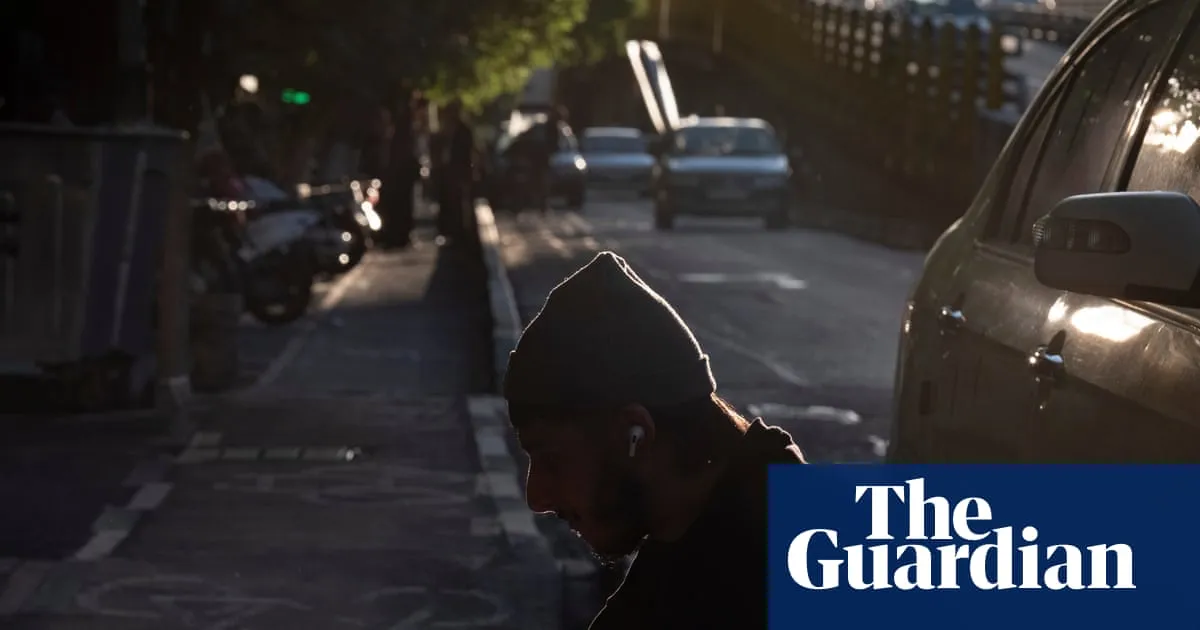
The Guardian - World NewsFIG 01
Reading time
4min
Word count
754words
Sources cited
3cited
Entities identified
12entities
Quality score
100%
§ 01
Briefing Summary
AI-generatedNEWSAR · AI
After 88 days of near-total internet blackout, partial connectivity returned to Iran on Tuesday, allowing long-delayed messages and content to resurface. However, the restoration was met with skepticism, anxiety, and anger rather than celebration. Many Iranians expressed frustration that the limited access, which still hinders work and communication, was being lauded by some as an achievement. The blackout was initially imposed during anti-government protests and later reinstated following strikes against Iran. For many, the return of the internet brought a painful reminder of losses, including executed individuals and destruction from war, leading to profound grief and a sense of misery rather than freedom.
Confidence 0.90Sources 3Claims 5Entities 12
§ 02
Article analysis
Model · rule-basedFraming
Human Rights
Social Justice
Tone
Mixed Tone
AI-assessed
CalmNeutralAlarmist
Factuality
0.40 / 1.00
Mixed
LowHigh
Sources cited
3
Well sourced
FewMany
§ 03
Key claims
5 extracted01
Western media celebrating the partial restoration is seen as 'nauseating' and an 'absolute joke' by some Iranians.
quoteMaryam*
Confidence
0.90
02
Some Iranians view the partial restoration with suspicion, fearing expanded surveillance and calling it 'filternet' rather than freedom.
quoteMina*
Confidence
0.90
03
The internet blackout was initially imposed in January during a crackdown on anti-government protests and later reimposed after US and Israeli strikes.
factual
Confidence
0.90
04
Iran's internet connectivity was partially restored after 88 days of near-total blackout, with limited connectivity returning on Tuesday.
factual
Confidence
0.90
05
Many Iranians reacted with skepticism, anxiety, and anger to the partial internet restoration, not celebration.
factual
Confidence
0.80
§ 04
Full report
4 min read · 754 words§ 05
Entities
12 identifiedKey playerOppositionContextPositiveNeutralNegative
Locations4
§ 06
Keywords & salience
9 termsinternet blackout
1.00
freedom
0.90
anti-government protests
0.80
digital isolation
0.70
connectivity
0.60
social media
0.50
vpns
0.50
regime
0.40
national security council
0.40
§ 07
Topic connections
Interactive graph Network visualization showing 51 related topics
View Full Graph Person Organization Location Event|Click node to navigate|Edge numbers = shared articles