Israel and Iran appeared to back away from further strikes on Monday, hours after they traded fire for the first time since the US agreed to a ceasefire with Tehran two months ago. Both countries warned that they were ready to launch retaliatory attacks if provoked.The renewed hostilities raised concerns that the Middle East could plunge back into a full-scale war.Since the US and Israel began striking Iran on February 28, the war has shaken the global economy, driven up energy prices around the world and made many basics, including food, more expensive. Officials have been unable to turn the April ceasefire into a deal to permanently end the conflict.
SRCSouth China Morning Post
LANGEN
LEANCenter-Right
WORDS110
ENT10
MON · 2026-06-08 · 19:40 GMTBRIEF NSR-2026-0608-82768
NSR-2026-0608-82768News Report·EN·Conflict
Israel, Iran appear to pause strikes after trading fire for first time since ceasefire
Israel and Iran appeared to de-escalate potential further strikes on Monday, following an exchange of fire that marked the first direct confrontation since a US-brokered ceasefire two months prior. Both nations issued warnings of readiness for retaliatory action if provoked, raising concerns about a potential escalation of conflict in the Middle East.
Associated PressSouth China Morning PostFiled 2026-06-08 · 19:40 GMTLean · Center-RightRead · 1 min
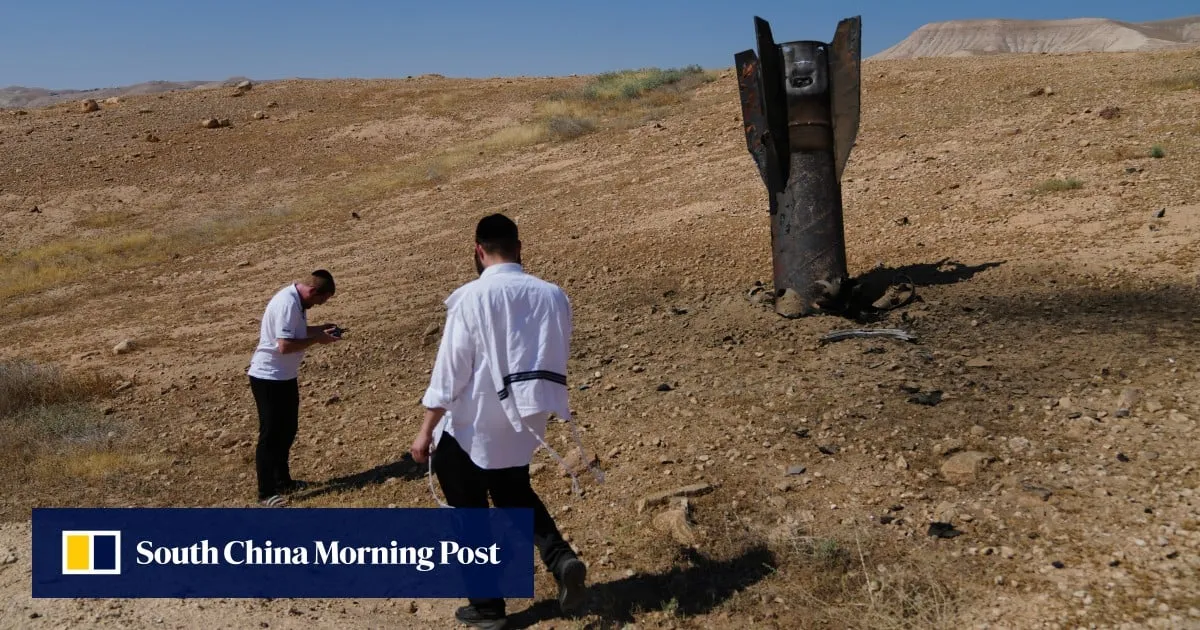
South China Morning PostFIG 01
Reading time
1min
Word count
110words
Sources cited
0cited
Entities identified
10entities
Quality score
100%
§ 01
Briefing Summary
AI-generatedNEWSAR · AI
Israel and Iran appeared to de-escalate potential further strikes on Monday, following an exchange of fire that marked the first direct confrontation since a US-brokered ceasefire two months prior. Both nations issued warnings of readiness for retaliatory action if provoked, raising concerns about a potential escalation of conflict in the Middle East. This renewed hostility has already impacted the global economy, leading to increased energy prices and rising costs for essential goods. Efforts to solidify the April ceasefire into a permanent resolution have thus far been unsuccessful.
Confidence 0.85Claims 5Entities 10
§ 02
Article analysis
Model · rule-basedFraming
Conflict
Economic Impact
Tone
Mixed Tone
AI-assessed
CalmNeutralAlarmist
Factuality
0.70 / 1.00
Factual
LowHigh
Sources cited
0
No named sources
FewMany
§ 03
Key claims
5 extracted01
Israel and Iran traded fire for the first time since the US agreed to a ceasefire with Tehran two months ago.
factual
Confidence
0.90
02
Since the US and Israel began striking Iran on February 28, the war has shaken the global economy, driven up energy prices around the world and made many basics, including food, more expensive.
factual
Confidence
0.80
03
Both countries warned that they were ready to launch retaliatory attacks if provoked.
factual
Confidence
0.80
04
Israel and Iran appeared to back away from further strikes on Monday.
factual
Confidence
0.80
05
The renewed hostilities raised concerns that the Middle East could plunge back into a full-scale war.
prediction
Confidence
0.70
§ 04
Full report
1 min read · 110 words§ 05
Entities
10 identifiedKey playerOppositionContextPositiveNeutralNegative
Locations4
Events4
§ 06
Keywords & salience
8 termsisrael iran strikes
1.00
middle east conflict
0.90
ceasefire
0.80
retaliatory attacks
0.70
global economy
0.60
energy prices
0.50
us
0.40
tehran
0.40
§ 07
Topic connections
Interactive graph Network visualization showing 51 related topics
View Full Graph Person Organization Location Event|Click node to navigate|Edge numbers = shared articles