"Bolivians cannot continue to be hostages of blockades that prevent working, studying, receiving medical attention, supplying themselves, and bringing sustenance to their homes," he said in a social media post on Saturday.Paz's announcement came hours after he unveiled that a deal had been struck with the country's main union, the Bolivian Workers' Confederation.However, some Indigenous groups have said they will continue to protest, AFP reported, with roadblocks remaining in place. Journalists reported seeing police and military personnel in main squares on Saturday.EPARoad blocks have heightened shortages of fuel and other basic supplies around the countryProtests started at the end of April, triggered by a land reform proposed by Paz. Critics argued the proposals would make it easier for large landowners to buy up small properties.Paz has since scrapped the reform. But farmers have been joined by other groups venting grievances over other measures, like cuts to long-standing fuel subsidies.There has also been backlash to proposed changes to Bolivia's constitution.
SRCBBC News - World
LANGEN
LEANCenter
WORDS159
ENT10
SAT · 2026-06-20 · 15:27 GMTBRIEF NSR-2026-0620-85992
NSR-2026-0620-85992News Report·EN·Political Strategy
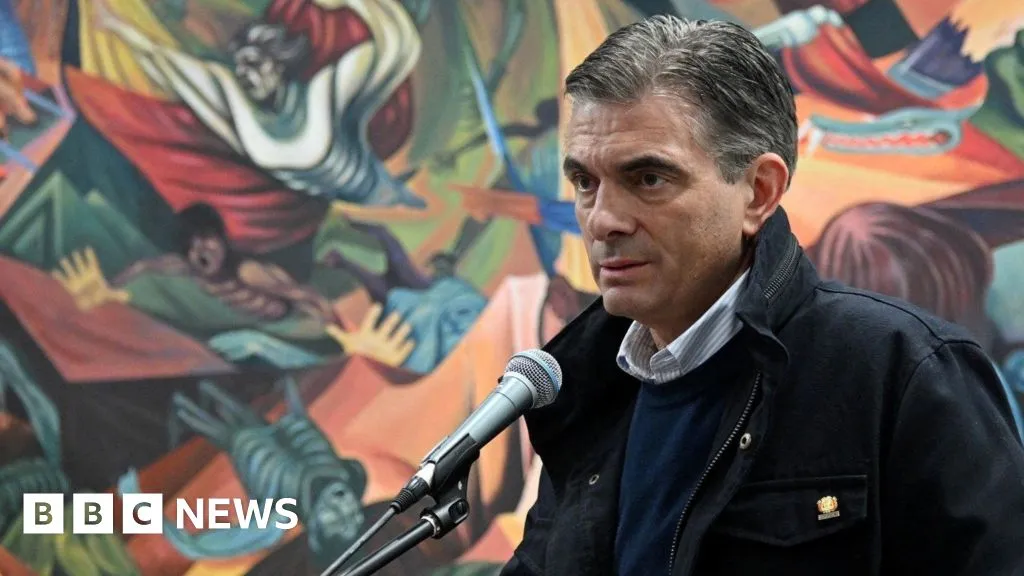
Bolivian president declares state of emergency
Bolivian President Luis Arce has declared a state of emergency following weeks of anti-government protests that have disrupted daily life and caused shortages of basic goods. The protests, which began in late April, were initially triggered by a proposed land reform that critics feared would benefit large landowners, a reform President Arce has since scrapped.
33 minutes agoShareSaveAdd as preferred on GoogleJoshua CheethamBBC News - WorldFiled 2026-06-20 · 15:27 GMTLean · CenterRead · 1 min
BBC News - WorldFIG 01
Reading time
1min
Word count
159words
Sources cited
1cited
Entities identified
10entities
Quality score
100%
§ 01
Briefing Summary
AI-generatedNEWSAR · AI
Bolivian President Luis Arce has declared a state of emergency following weeks of anti-government protests that have disrupted daily life and caused shortages of basic goods. The protests, which began in late April, were initially triggered by a proposed land reform that critics feared would benefit large landowners, a reform President Arce has since scrapped. However, other groups have joined the demonstrations, expressing grievances over measures such as cuts to fuel subsidies and proposed constitutional changes. The President stated that blockades were preventing citizens from working, studying, receiving medical care, and obtaining essential supplies. While a deal has reportedly been struck with the Bolivian Workers' Confederation, some Indigenous groups have indicated they will continue their protests, with roadblocks remaining in place.
Confidence 0.90Sources 1Claims 5Entities 10
§ 02
Article analysis
Model · rule-basedFraming
Political Strategy
Economic Impact
Tone
Measured
AI-assessed
CalmNeutralAlarmist
Factuality
0.70 / 1.00
Factual
LowHigh
Sources cited
1
Limited
FewMany
§ 03
Key claims
5 extracted01
A deal was struck with the Bolivian Workers' Confederation.
factualBolivian president
Confidence
1.00
02
Bolivian president declared a state of emergency due to blockades affecting daily life.
quoteBolivian president
Confidence
1.00
03
Protests were triggered by a land reform proposed by Paz, which has since been scrapped.
factualarticle
Confidence
0.90
04
Roadblocks have caused shortages of fuel and basic supplies.
factualarticle
Confidence
0.90
05
Some Indigenous groups will continue protests and roadblocks.
factualAFP
Confidence
0.90
§ 04
Full report
1 min read · 159 words§ 05
Entities
10 identifiedKey playerOppositionContextPositiveNeutralNegative
Organizations3
Locations1
§ 06
Keywords & salience
9 termsstate of emergency
1.00
blockades
0.90
protests
0.80
land reform
0.70
fuel subsidies
0.60
indigenous groups
0.50
bolivian workers' confederation
0.50
basic supplies
0.40
constitutional changes
0.40
§ 07
Topic connections
Interactive graph Network visualization showing 40 related topics
View Full Graph Person Organization Location Event|Click node to navigate|Edge numbers = shared articles