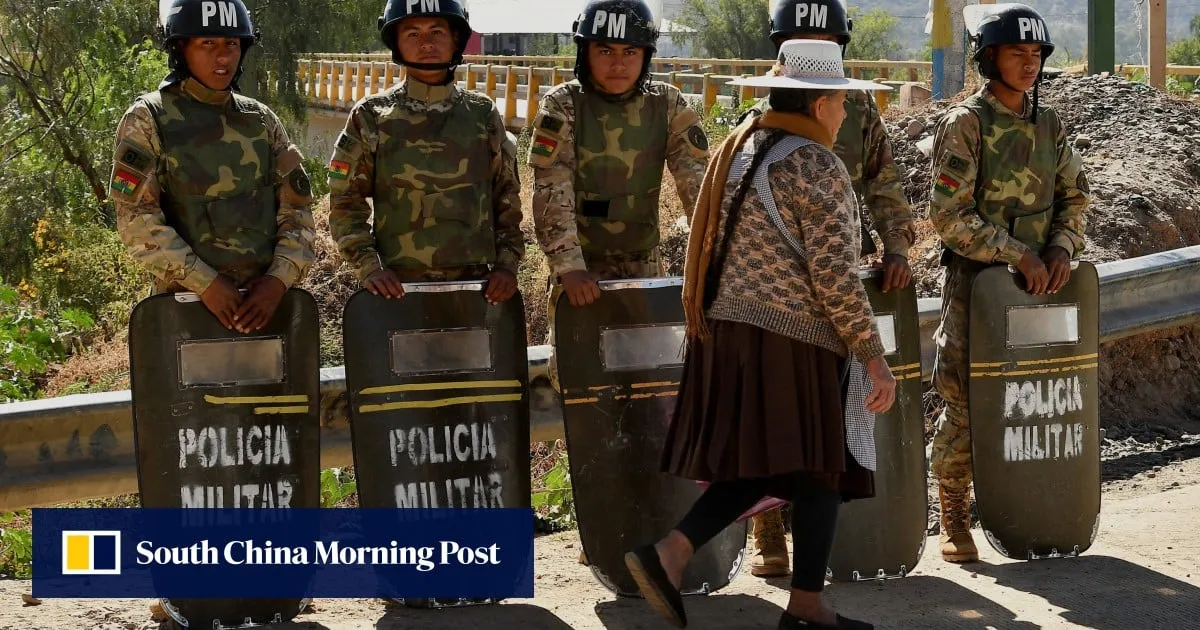
Bolivia began showing signs of returning to normalcy on Sunday, a day after President Rodrigo Paz declared a state of emergency to resolve a 50-day social crisis that had blocked the nation’s main highways. Early on Sunday, the Legislative Assembly overwhelmingly approved Paz’s decree, which aimed to restore transit and supply essential goods after protesting groups cut off key roads for weeks, stranding trucks and choking supplies of food, fuel and medicines to many areas.Sunday’s vote in congress coincided with several breakthroughs. In Santa Cruz, officials and protest leaders signed an agreement to lift a critical blockade in the town of San Julian. Meanwhile, a prominent campesino federation in La Paz announced a pause in its protests, although it said the group’s demands still stood.While police and military forces remain deployed, the national highway authority reported that there were no active blockades remaining related to protests. However, many roads require significant clean-up and repair from damage sustained during the protests.
SRCSouth China Morning Post
LANGEN
LEANCenter-Right
WORDS160
ENT12
SUN · 2026-06-21 · 14:04 GMTBRIEF NSR-2026-0621-86187
NSR-2026-0621-86187News Report·EN·Economic Impact
Bolivian lawmakers approve state of emergency as protests choke supply chain
Bolivian lawmakers overwhelmingly approved President Rodrigo Paz's state of emergency decree on Sunday, aimed at resolving a 50-day social crisis that had blocked major highways. The decree seeks to restore transit and supply essential goods, which had been severely impacted by weeks of road blockades by protesting groups.
ReutersSouth China Morning PostFiled 2026-06-21 · 14:04 GMTLean · Center-RightRead · 1 min
South China Morning PostFIG 01
Reading time
1min
Word count
160words
Sources cited
0cited
Entities identified
12entities
Quality score
100%
§ 01
Briefing Summary
AI-generatedNEWSAR · AI
Bolivian lawmakers overwhelmingly approved President Rodrigo Paz's state of emergency decree on Sunday, aimed at resolving a 50-day social crisis that had blocked major highways. The decree seeks to restore transit and supply essential goods, which had been severely impacted by weeks of road blockades by protesting groups. The approval coincided with agreements to lift blockades in Santa Cruz and a pause in protests by a prominent federation in La Paz, though their demands remain. While police and military are deployed, the national highway authority reported no active protest-related blockades, though roads require repair.
Confidence 0.90Claims 5Entities 12
§ 02
Article analysis
Model · rule-basedFraming
Economic Impact
Political Strategy
Tone
Measured
AI-assessed
CalmNeutralAlarmist
Factuality
0.80 / 1.00
Factual
LowHigh
Sources cited
0
No named sources
FewMany
§ 03
Key claims
5 extracted01
A prominent campesino federation in La Paz announced a pause in its protests.
factual
Confidence
1.00
02
Officials and protest leaders signed an agreement to lift a critical blockade in San Julian, Santa Cruz.
factual
Confidence
1.00
03
Protesting groups cut off key roads, stranding trucks and choking supplies of food, fuel, and medicines.
factual
Confidence
1.00
04
The Legislative Assembly overwhelmingly approved the state of emergency decree.
factual
Confidence
1.00
05
Bolivian President Rodrigo Paz declared a state of emergency to resolve a 50-day social crisis that blocked highways.
factual
Confidence
1.00
§ 04
Full report
1 min read · 160 words§ 05
Entities
12 identifiedKey playerOppositionContextPositiveNeutralNegative
Organizations5
Locations4
Events1
§ 06
Keywords & salience
9 termsprotests
1.00
state of emergency
1.00
supply chain
0.90
road blockades
0.80
bolivia
0.70
social crisis
0.60
legislative assembly
0.50
transit
0.40
essential goods
0.40
§ 07
Topic connections
Interactive graph Network visualization showing 40 related topics
View Full Graph Person Organization Location Event|Click node to navigate|Edge numbers = shared articles