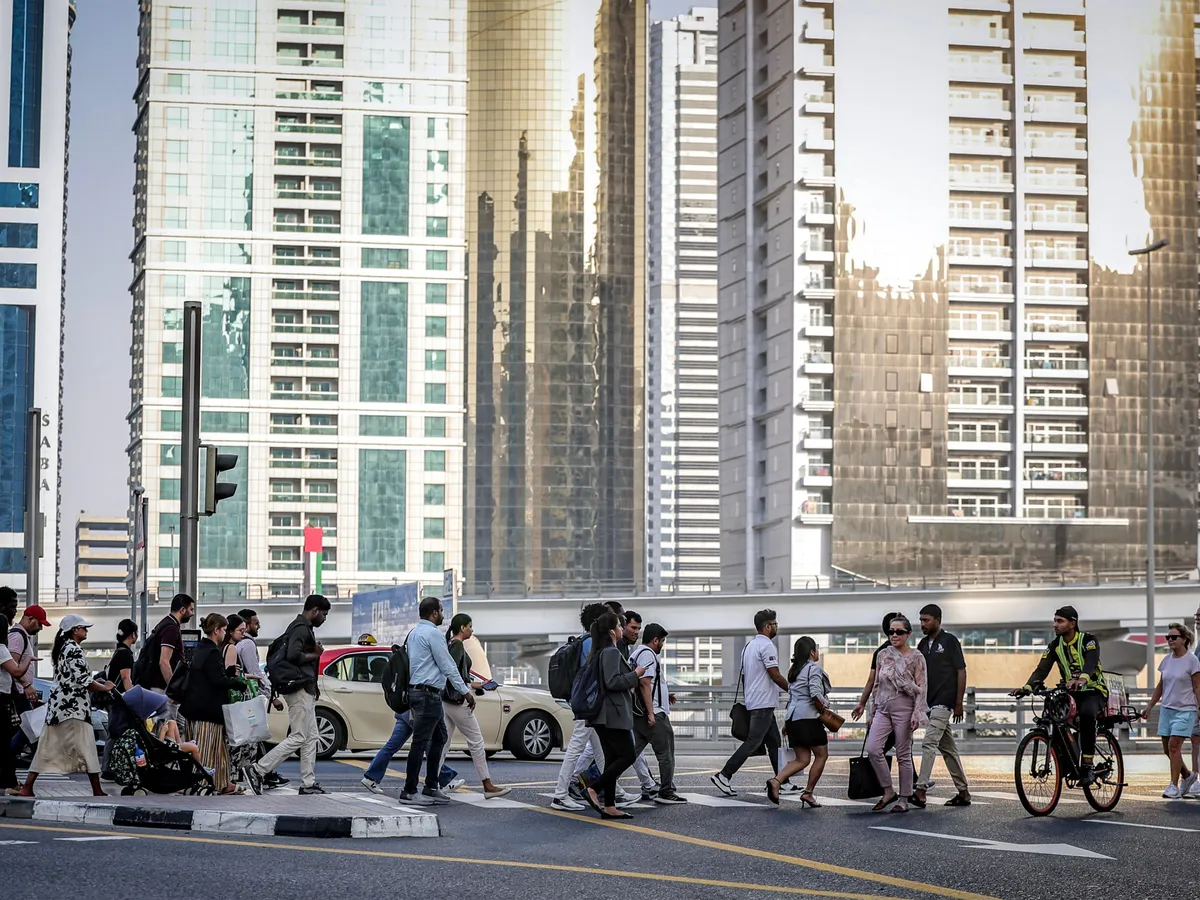
A war meant to isolate Iran instead deepened Gulf pragmatism and strengthened support for diplomacy.The Gulf's closeness to Iran is less a sign of reconciliation and more a reflection of hard-headed pragmatism [File: AFP]Published On 25 Jun 2026Doha, Qatar – Gulf states have welcomed a breakthrough agreement between the United States and Iran to end a war they never wanted.Six countries – Saudi Arabia, the United Arab Emirates (UAE), Qatar, Kuwait, Bahrain and Oman – form the Gulf Cooperation Council (GCC), which was created in 1981 following fears of the perceived expansionist ambitions of the new Iranian government.Recommended Stories list of 4 itemslist 1 of 4How does Trump’s MOU with Iran compare with Obama’s nuclear pact?list 2 of 4US partially lifts Iran oil sanctions amid ‘encouraging’ talkslist 3 of 4Marco Rubio heads to Middle East to address Iran MoU, Hormuzlist 4 of 4Rubio begins Gulf visit in the UAE to advance US-Iran peace dealend of listSince the 1979 Islamic revolution, Israel has attempted to isolate Iran and its wide network of regional proxy groups. But in a twist of irony, Israeli aggression in this pursuit has pushed some Gulf states closer to Tehran.When Israel and the US launched strikes on Iran on February 28 – and Tehran responded by attacking Gulf states – they were again forced to reassess their relationship with their neighbour.Gulf relations with Iran, at present, appear more shaped by realism than reconciliation, but this approach could help them navigate the uncertain road ahead.“The ongoing conflict … compelled the Gulf states to pursue a more pragmatic relationship with Tehran, one that will include enhanced dialogue to deter conflict,” Farah al-Qawasmi, a researcher at the Gulf Studies Center at Qatar-university" class="entity-link entity-organization" data-entity-id="39757" data-entity-type="organization">Qatar University, told Al Jazeera.Embracing de-escalation – not IranAll six GCC member states have welcomed a memorandum of understanding (MoU) signed by Iran and the US last week. But this is shaped more by the Gulf states wanting the war to end rather than a newfound trust of Iran.“An agreement between the two parties is being [highly] advocated by the Gulf states in [an] attempt to prevent and contain regional conflicts,” al-Qawasmi said.Shortly after the US and Iran agreed in 2015 to the Joint Comprehensive Plan of Action (JCPOA) – putting guardrails on Tehran’s nuclear programme – Gulf states remained sceptical about their neighbour.The current war has only heightened these suspicions, but it has also seen regional states seek diplomacy with Tehran rather than military confrontation, despite Iran directly attacking Gulf cities.“The Gulf states still feel like diplomacy is better than using force to get a deal … to change Iran’s behaviour and to insulate them from Iran’s destabilising actions,” Rob Geist Pinfold, a lecturer on security studies at King’s College London, told Al Jazeera.Pinfold points out that Iran closed the Strait of Hormuz via drones and missiles, not nuclear weapons, making dealing with that threat a priority for Gulf states rather than Tehran’s nuclear programme.Gulf states will want a more comprehensive agreement between Iran and the US, rather than the nuclear-focused JCPOA, said Pinfold.“If you talk to people in Gulf capitals, they will tell you that the nuclear programme is a tomorrow problem for them,” he said.“The today problem is Iran’s use of drones and proxies to destabilise and undermine the sovereignty of Gulf states, but also states throughout the region.”US Secretary of State Marco Rubio’s three-day tour of the Gulf, which ends Thursday, is seen as a way of allaying these fears and assuring the GCC that Tehran will not be strengthened by the agreement.US Vice President JD Vance, left, looks on as Pakistan’s Prime Minister Shehbaz Sharif, centre, speaks and gestures towards Qatar’s Prime Minister and Minister of Foreign Affairs Sheikh Mohammed bin Abdulrahman bin Jassim Al Thani, right, at the start of a quadrilateral meeting between the US, Iran, Pakistan and Qatar [File: Nathan Howard/Pool via Getty Images]Seat at the tableMehran Haghirian, the director of research and programmes at the Bourse & Bazaar Foundation, believes Gulf states are in a better position to guide the outcome of the current US-Iran talks than in 2015.“They are at the heart of the negotiations,” Haghirian said regarding the Gulf states’ role in the current talks.In its role as a co-mediator, Qatar is essentially representing the GCC and their interests during the talks, while articles five and six of the Iran-US MoU place Gulf states at the centre of the agreement.Among the biggest concerns for the GCC are the future of the Strait of Hormuz, with Tehran demanding tolls on shipping, and calls for the creation of a regional investment fund for Iran.“There really cannot be any new Hormuz authority by Iran that would not include other GCC countries,” Haghirian told Al Jazeera.US Vice President JD Vance claimed last week that the investment fund would be financed by the Gulf coalition, but Rubio said this week that regional allies would not be asked to contribute to any reconstruction fund for Iran.Qatar’s Prime Minister Sheikh Mohammed bin Abdulrahman bin Jassim Al Thani has described the reported $300bn figure as “aspirational” in an interview with the Financial Times, while no Gulf state has yet said if it will contribute to the fund.‘Maximum pressure era’The analysts stress that the GCC is not a monolith – with Gulf states having contrasting and changing approaches towards Iran.Oman, Qatar and Kuwait were broadly supportive of the JCPOA. Saudi Arabia, the UAE and Bahrain were more sceptical, but even these states publicly backed the agreement, said Haghirian.When Trump pulled the US out of the JCPOA in 2018, Saudi Arabia, the UAE and Bahrain believed they had “found a partner in DC”.That led to a “maximum pressure era” that brought a period of brinkmanship in the region, said Haghirian.Suspected Iran-linked attacks on Saudi Arabia’s Abqaiq-Khurais oil facilities and vessels off the coast of Fujairah in 2019 were “the initial reaction by the Iranians to that maximum pressure” campaign, he added, but paradoxically, this also triggered a recalibration of relations.The UAE and Iran restored ties in 2022, and a China-brokered Saudi-Iran agreement took place in 2023.“That was enough of a reason for Saudi Arabia [and] the UAE, particularly, to basically restructure their approach towards Iran,” Haghirian said.The war and accelerated pragmatic rapprochementWhile Israel has used war to attempt to increase its presence in the Gulf region – reportedly sending an Iron Dome battery to the UAE – other Gulf states view both Iran and Israel as unsettling forces in the region.“Israel started the war, which was a destabilising act, and then Iran escalated by targeting the Gulf states, which was in turn a destabilising act,” Pinfold said.Despite this, the Gulf states targeted by Iran still demonstrated patience and pragmatism in dealing with their neighbour.Qatar, for example, has played a leading role in mediating between the US and Iran, even after being on the receiving end of Iranian drone and missile attacks.“All six got attacked, and that’s really a level of foreign policy decision-making that is very difficult for any state to be able to really undertake, considering the fact that it was a military attack,” Haghirian said.“But again, this pragmatism came out within this context to engage Iran and to actually speak for themselves at these negotiations. This war has really initiated a complete rebalancing of the entire region.”
SRCAl Jazeera
LANGEN
LEANCenter
WORDS1 211
ENT12
THU · 2026-06-25 · 17:11 GMTBRIEF NSR-2026-0625-87405
NSR-2026-0625-87405Analysis·EN·Diplomatic
Pragmatic choice: Israel’s war backfires as Gulf backs US-Iran deal
Gulf states, including Saudi Arabia, UAE, Qatar, Kuwait, Bahrain, and Oman, have welcomed a US-Iran agreement to end a war they did not want. This conflict, initiated by Israeli and US strikes on Iran, ironically pushed some Gulf states towards pragmatic diplomacy with Tehran.
Urooba JamalAl JazeeraFiled 2026-06-25 · 17:11 GMTLean · CenterRead · 5 min
Al JazeeraFIG 01
Reading time
5min
Word count
1 211words
Sources cited
2cited
Entities identified
12entities
Quality score
100%
§ 01
Briefing Summary
AI-generatedNEWSAR · AI
Gulf states, including Saudi Arabia, UAE, Qatar, Kuwait, Bahrain, and Oman, have welcomed a US-Iran agreement to end a war they did not want. This conflict, initiated by Israeli and US strikes on Iran, ironically pushed some Gulf states towards pragmatic diplomacy with Tehran. The GCC's primary motivation for supporting the US-Iran memorandum of understanding is to de-escalate regional conflict and end the war, rather than a newfound trust in Iran. Gulf nations prioritize addressing Iran's use of drones and proxies over its nuclear program. The agreement places Gulf states at the center of negotiations, with concerns including the future of the Strait of Hormuz and a proposed regional investment fund for Iran.
Confidence 0.90Sources 2Claims 5Entities 12
§ 02
Article analysis
Model · rule-basedFraming
Diplomatic
Political Strategy
Tone
Measured
AI-assessed
CalmNeutralAlarmist
Factuality
0.40 / 1.00
Mixed
LowHigh
Sources cited
2
Limited
FewMany
§ 03
Key claims
5 extracted01
Iran closed the Strait of Hormuz via drones and missiles, not nuclear weapons.
quoteRob Geist Pinfold
Confidence
0.95
02
The Gulf states still feel like diplomacy is better than using force to get a deal to change Iran’s behaviour and to insulate them from Iran’s destabilising actions.
quoteRob Geist Pinfold
Confidence
0.95
03
The ongoing conflict compelled the Gulf states to pursue a more pragmatic relationship with Tehran, one that will include enhanced dialogue to deter conflict.
quoteFarah al-Qawasmi
Confidence
0.95
04
Gulf states have welcomed a breakthrough agreement between the United States and Iran to end a war they never wanted.
factual
Confidence
0.90
05
Israeli aggression in pursuit of isolating Iran has pushed some Gulf states closer to Tehran.
factual
Confidence
0.80
§ 04
Full report
5 min read · 1 211 words§ 05
Entities
12 identifiedKey playerOppositionContextPositiveNeutralNegative
Organizations2
§ 06
Keywords & salience
8 termsus-iran deal
1.00
gulf pragmatism
0.90
iran war
0.80
diplomacy
0.70
gcc
0.60
de-escalation
0.50
regional conflicts
0.50
jcpoa
0.40
§ 07
Topic connections
Interactive graph Network visualization showing 51 related topics
View Full Graph Person Organization Location Event|Click node to navigate|Edge numbers = shared articles