Japan has said it recognised the need to counter foreign intelligence better after the New York Times reported that Russia had turned the country into a “den of spies” and key source of weapons components.The newspaper, in an investigation published on Sunday, reported that thanks to “weak espionage laws”, Moscow was using Japan as a key hub for intelligence gathering and procurement of dual-use technology needed for its war in Ukraine.Chief government spokesperson Minoru Kihara said on Monday: “We recognise that in a rapidly changing security environment there is a growing need to counter foreign intelligence activities – such as the acquisition of critical information – that threaten Japan’s national security.”Declining to comment directly on the NYT’s report, Kihara told reporters that Tokyo “must address this issue with even greater rigour”.Kihara added that Japan’s parliament this year approved legislation paving the way for the creation of a new national body to coordinate its fragmented intelligence activities.The report cited Ukrainian government estimates that 90% of Russian missiles and drones contain Japanese components.It alleged that Russia’s operations in Japan were being run by a Russian intelligence operative working under cover at the Tokyo office of majority state-owned Russian airline Aeroflot.Because direct exports to Russia are restricted, procurement networks use intermediary companies and third countries like Vietnam, Uzbekistan and Sri Lanka to move components into Russia, the NYT added.The report noted how hundreds of Russian spies were expelled by western countries when the full-scale invasion of Ukraine began in 2022, and reported that many ended up in Japan to take advantage of its flourishing tech industry and weak espionage laws, partly the result of constraints put in place after the second world war.“We have a sense of crisis about this situation,” Akihisa Shiozaki, a lawmaker in the governing Liberal Democratic Party and a former lawyer who prosecuted industrial espionage cases, told the NYT.
SRCThe Guardian - World News
LANGEN
LEANCenter-Left
WORDS310
ENT12
TUE · 2026-07-14 · 01:10 GMTBRIEF NSR-2026-0714-92799
NSR-2026-0714-92799News Report·EN·National Security
Japan admits growing need to counter espionage after Russian ‘den of spies’ report
Japan has acknowledged an increasing need to counter foreign intelligence activities after a New York Times report alleged Russia is using the country as a "den of spies" and a source for weapons components. Chief government spokesperson Minoru Kihara stated that Japan must address this issue with "even greater rigour" due to the rapidly changing security environment.
Agence France-PresseThe Guardian - World NewsFiled 2026-07-14 · 01:10 GMTLean · Center-LeftRead · 2 min
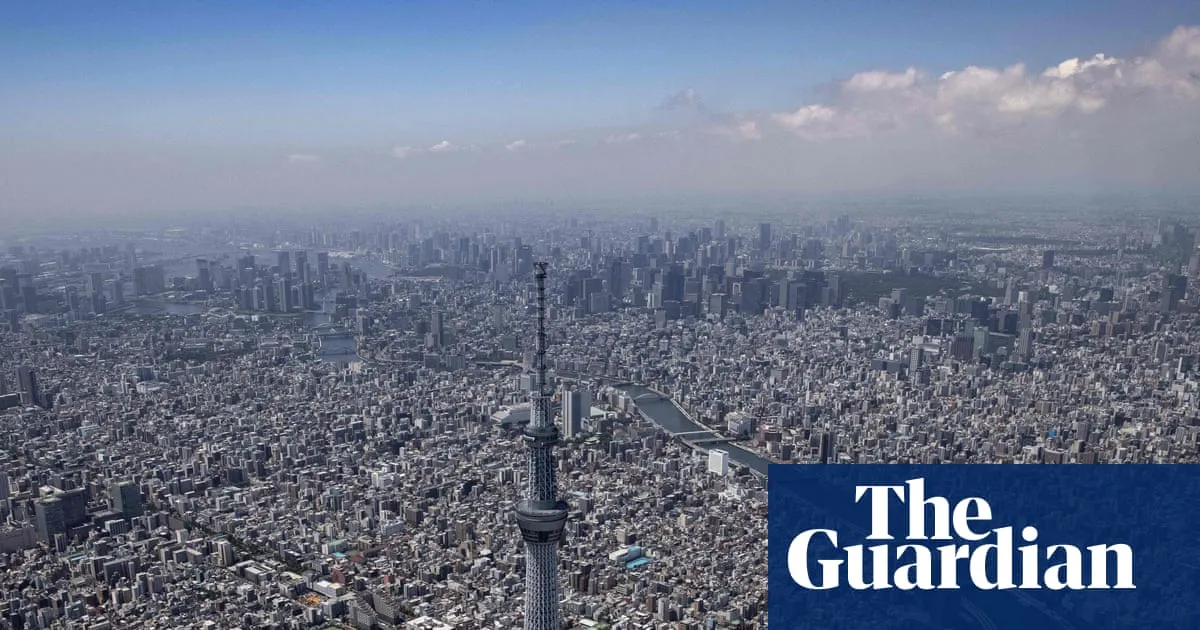
The Guardian - World NewsFIG 01
Reading time
2min
Word count
310words
Sources cited
3cited
Entities identified
12entities
Quality score
100%
§ 01
Briefing Summary
AI-generatedNEWSAR · AI
Japan has acknowledged an increasing need to counter foreign intelligence activities after a New York Times report alleged Russia is using the country as a "den of spies" and a source for weapons components. Chief government spokesperson Minoru Kihara stated that Japan must address this issue with "even greater rigour" due to the rapidly changing security environment. The report claims Russia exploits Japan's "weak espionage laws" to gather intelligence and procure dual-use technology for its war in Ukraine, with Ukrainian estimates suggesting 90% of Russian missiles and drones contain Japanese components. This situation has prompted Japan to approve legislation for a new national body to coordinate its intelligence activities.
Confidence 0.90Sources 3Claims 5Entities 12
§ 02
Article analysis
Model · rule-basedFraming
National Security
Diplomatic
Tone
Mixed Tone
AI-assessed
CalmNeutralAlarmist
Factuality
0.70 / 1.00
Factual
LowHigh
Sources cited
3
Well sourced
FewMany
§ 03
Key claims
5 extracted01
Japan's parliament approved legislation for a new national body to coordinate intelligence activities.
factualMinoru Kihara
Confidence
0.90
02
Japan recognizes the growing need to counter foreign intelligence activities that threaten national security.
quoteMinoru Kihara
Confidence
0.90
03
Hundreds of Russian spies expelled from Western countries allegedly ended up in Japan due to weak espionage laws and its tech industry.
factualNew York Times report
Confidence
0.70
04
Russia is allegedly using Japan as a hub for intelligence gathering and procurement of dual-use technology for the war in Ukraine.
factualNew York Times report
Confidence
0.70
05
Ukrainian government estimates suggest 90% of Russian missiles and drones contain Japanese components.
statisticNew York Times report (citing Ukrainian government estimates)
Confidence
0.60
§ 04
Full report
2 min read · 310 words§ 05
Entities
12 identifiedKey playerOppositionContextPositiveNeutralNegative
Organizations3
Locations6
§ 06
Keywords & salience
10 termsespionage
1.00
national security
0.90
foreign intelligence
0.90
ukraine war
0.80
dual-use technology
0.70
intelligence gathering
0.70
russia
0.60
japan
0.60
espionage laws
0.50
procurement networks
0.40
§ 07
Topic connections
Interactive graph Network visualization showing 51 related topics
View Full Graph Person Organization Location Event|Click node to navigate|Edge numbers = shared articles