Southeast Asian countries are highly affected by oil supply shortages caused by the Iran-war" class="entity-link entity-event" data-entity-id="38748" data-entity-type="event">Iran war and the Strait of Hormuz closure.Southeast Asian nations are “deeply concerned” about the impact of blockades of key maritime trade routes in the Middle East, their top diplomats have said.Foreign ministers from the Association of Southeast Asian Nations (ASEAN) and their key partners met in the Philippines on Tuesday against a backdrop of instability due to the global impact on trade and energy supplies caused by the US-Israel war on Iran and the closure of the Strait of Hormuz, as well as territorial disputes with Beijing in the China-sea" class="entity-link entity-location" data-entity-id="8346" data-entity-type="location">South China Sea.Recommended Stories list of 4 itemslist 1 of 4Trump to visit Xi Jinping in China on May 14 and 15 after Iran-war" class="entity-link entity-event" data-entity-id="38748" data-entity-type="event">Iran war delaylist 2 of 4Southeast Asia’s leaders confront fallout from Iran-war" class="entity-link entity-event" data-entity-id="38748" data-entity-type="event">Iran war at ASEAN summitlist 3 of 4Global energy crisis highlights meagre oil buffers in developing worldlist 4 of 4World reacts to US-Iran deal to extend ceasefire, reopen Strait of Hormuzend of listSoutheast Asian countries have a combined gross domestic product (GDP) of $3.8 trillion but are highly exposed to supply limitations caused by the blockade of the Strait of Hormuz, as they are heavily dependent on Gulf countries for their oil imports.At the ongoing ASEAN summit in Manila, heads of state and top diplomats from the region are seeking to agree on an oil-sharing mechanism to mitigate the impact of the war on Iran.Yemen’s Iran-aligned Houthis announced a naval blockade on Saudi Arabia on Monday, opening a potential new front in the war and risking aggravating the threat to global energy supplies and trade beyond the Gulf.“We are deeply concerned that these developments severely undermine the ongoing efforts of key mediators and diminish the prospects for a peaceful resolution through dialogue and diplomacy,” ASEAN ministers said in a statement.Top diplomats from the United States, Russia and China are also attending the ASEAN summit, another reminder of how the war on Iran is reshaping international diplomacy and the global energy supply.
SRCAl Jazeera
LANGEN
LEANCenter
WORDS338
ENT12
TUE · 2026-07-21 · 13:43 GMTBRIEF NSR-2026-0721-94699
NSR-2026-0721-94699News Report·EN·Economic Impact
ASEAN diplomats voice ‘serious concern’ over Iran war and energy crisis
ASEAN diplomats have expressed "deep concern" over the impact of the Iran war and the closure of the Strait of Hormuz on global trade and energy supplies. Southeast Asian nations, heavily reliant on Gulf countries for oil imports, are particularly vulnerable to these supply shortages.
Al Jazeera StaffAl JazeeraFiled 2026-07-21 · 13:43 GMTLean · CenterRead · 2 min
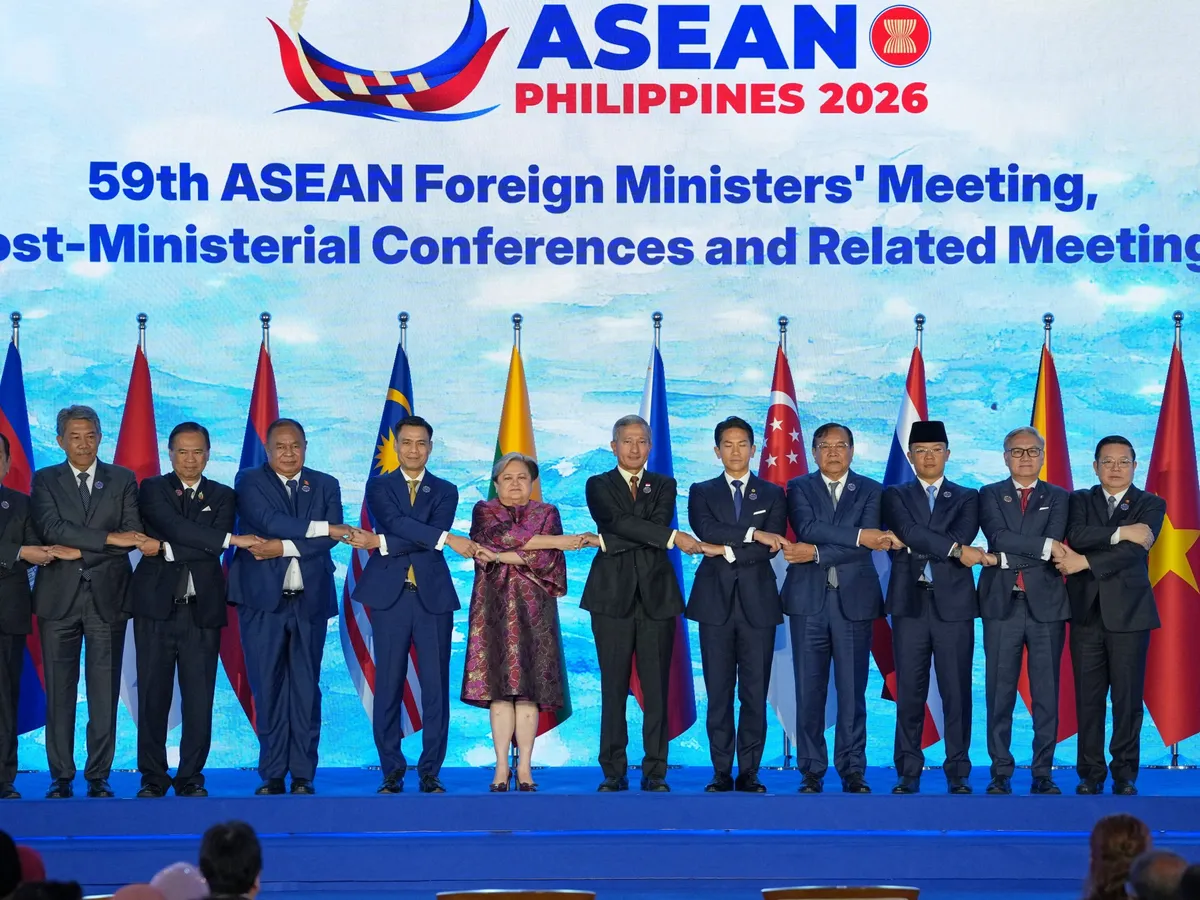
Al JazeeraFIG 01
Reading time
2min
Word count
338words
Sources cited
2cited
Entities identified
12entities
Quality score
100%
§ 01
Briefing Summary
AI-generatedNEWSAR · AI
ASEAN diplomats have expressed "deep concern" over the impact of the Iran war and the closure of the Strait of Hormuz on global trade and energy supplies. Southeast Asian nations, heavily reliant on Gulf countries for oil imports, are particularly vulnerable to these supply shortages. At the ASEAN summit in Manila, regional leaders are discussing an oil-sharing mechanism to address the crisis. The conflict's escalation, including a Houthi naval blockade on Saudi Arabia, further threatens global energy security and trade. ASEAN ministers stated these developments undermine peace efforts and diplomatic resolutions. Top diplomats from the US, Russia, and China are also attending the summit, highlighting the war's influence on international diplomacy and energy markets.
Confidence 0.90Sources 2Claims 5Entities 12
§ 02
Article analysis
Model · rule-basedFraming
Economic Impact
Diplomatic
Tone
Mixed Tone
AI-assessed
CalmNeutralAlarmist
Factuality
0.70 / 1.00
Factual
LowHigh
Sources cited
2
Limited
FewMany
§ 03
Key claims
5 extracted01
ASEAN ministers expressed deep concern that developments severely undermine peace efforts and diminish prospects for resolution through dialogue.
quoteASEAN ministers
Confidence
0.95
02
ASEAN foreign ministers and partners met in the Philippines against a backdrop of instability due to global impacts on trade and energy supplies.
factual
Confidence
0.95
03
Southeast Asian countries are heavily dependent on Gulf countries for their oil imports.
factual
Confidence
0.90
04
Southeast Asian countries are highly affected by oil supply shortages caused by the Iran war and the Strait of Hormuz closure.
factual
Confidence
0.90
05
Yemen’s Iran-aligned Houthis announced a naval blockade on Saudi Arabia.
factualYemen’s Iran-aligned Houthis
Confidence
0.85
§ 04
Full report
2 min read · 338 words§ 05
Entities
12 identifiedKey playerOppositionContextPositiveNeutralNegative
Organizations2
Locations8
§ 06
Keywords & salience
10 termsenergy crisis
1.00
iran war
1.00
asean
0.90
strait of hormuz
0.90
oil supply shortages
0.80
maritime trade routes
0.70
global energy supply
0.60
diplomacy
0.50
oil-sharing mechanism
0.50
south china sea
0.40
§ 07
Topic connections
Interactive graph Network visualization showing 24 related topics
View Full Graph Person Organization Location Event|Click node to navigate|Edge numbers = shared articles