EXPLAINERCan mediators broker a truce between the US and Iran?With every new round of attacks raising the political cost of compromise, analysts warn the window for peace may be closing.Published On 21 Jul 2026Mediators are racing to secure a truce between the United States and Iran, hoping to interrupt a cycle of retaliation that is becoming deadlier and increasingly likely to spill into a wider regional conflict, according to experts.Iranian Ministry of Foreign Affairs spokesperson Esmaeil Baghaei on Monday confirmed that mediators were actively trying to prevent further escalation, although he declined to divulge any details.His comments came as Axios reported that Qatar, Egypt, Pakistan and other regional mediators had presented both the US and Iran with a proposal that would halt the fighting for 10 days and create space to revive an interim memorandum of understanding (MoU) agreed last month. The plan would also seek to reopen commercial shipping through the Strait of Hormuz, where competing military measures have become one of the biggest obstacles to negotiations.But the diplomatic push comes as the US and Iran appear to be moving in the opposite direction. In recent days, the conflict has expanded beyond military targets, with strikes increasingly hitting civilian infrastructure while both sides continue to harden their public positions.The US has widened its bombing campaign deeper into Iran, with President Donald Trump also promising Iran will “pay” after the killing of several US troops. Iran, on the other hand, has stepped up attacks on shipping and targets across the region.The latest escalation follows a month of deteriorating relations after Washington and Tehran signed an MoU extending an April ceasefire and setting out a framework for negotiations aimed at ending the war, which began on February 28 with Israeli and US strikes on Iran. Since then, both governments have repeatedly accused each other of violating the agreement.The question now is whether mediators can persuade either side to step back before military events overtake diplomacy. Here’s what you should know.What is being proposed?Speaking to reporters on Monday, Baghaei, the spokesperson of the Iranian Foreign Ministry, said Tehran had received “proposals conveyed through the mediators”.“At this stage, I prefer not to discuss their details,” added Baghaei, making it clear that any diplomatic effort would continue alongside Iran’s military response.The latest proposal reportedly builds on talks that were held in Muscat on July 11 between Oman, Iran and Qatar but ultimately broke down.At the heart of it is the Strait of Hormuz, a vital waterway through which one-fifth of the world’s oil and gas passes in peacetime.The reported plan would see the full reopening of the strait’s shipping lanes – an Iran-approved northern route that is currently under a US naval blockade, and a US-backed southern one, where vessels have come under Iranian attacks. Under the proposal, military operations would also be paused for 10 days to give negotiators time to rescue the MoU.Regional officials are also discussing mechanisms for managing future transit fees, including a jointly administered fund involving the International Maritime Organization or allowing Iran to collect what one source described as “reasonable service fees” linked to maritime security and environmental protection, Axios reported.Can it actually work?Simon Mabon, professor of international relations at Lancaster University, said the MoU initially succeeded in reducing the fighting because it was deliberately vague, giving the US and Iran enough room to interpret it in ways they could accept.But that flexibility also proved to be its weakness, he noted. “Differing interpretations” of the “clearly moribund” agreement allowed both sides to claim they were acting within its terms while accusing the other of violating it, ultimately contributing to its collapse, Mabon told Al Jazeera.“Any new agreement would therefore need clearer commitments to prevent the same disputes from re-emerging,” he said.Recent military escalations have only complicated the situation.Mabon said Iran still sees control of the Strait of Hormuz as one of its main sources of leverage, while the deaths of three US service personnel over the past week increased pressure on Trump to respond forcefully. According to Mabon, this risks trapping both governments in a cycle of retaliation where they are “caught in an escalation trap”.However, there are still signs the US is trying to avoid a wider war despite broadening its air campaign, according to some analysts.Alex Almeida, security director at Horizon Engage, told Al Jazeera that while US attacks have expanded deeper into Iran, the “bulk” of the strikes “are still focused on Hormuz”, suggesting the White House is still trying to contain the conflict.“We expect at least another week of US-Iran exchanges in the Gulf and around Hormuz before any new negotiations,” he said.But Trita Parsi, the executive vice president of the Quincy Institute for Responsible Statecraft, said Iran has little incentive to return to negotiations while military operations continue.“They see the United States failing to achieve what it wants to achieve at the negotiating table and then shifting back to military action in order to be able to improve its situation,” he told Al Jazeera.“Until we have a full commitment for diplomacy and truly set aside military action or other efforts to try and shape the landscape, we are not going to see diplomacy succeed,” said Parsi.Is the window for peace closing?With each new exchange of strikes, the conflict risks boiling over into a deadlier war that will be harder to contain politically, experts warn, citing the expansion of targets.Iranian officials say recent US attacks have hit a railway station and residential neighbourhoods, while bridges, water facilities, food silos and other civilian infrastructure have also reportedly come under attack.Meanwhile, the US has widened its campaign beyond Iran’s southern coastline, striking targets deeper inside the country and prompting Iranian retaliation across the region.Following a 10th consecutive night of US bombing, Iranian strikes reportedly damaged a desalination plant and power stations in Kuwait while also targeting sites in Bahrain and Jordan, underscoring how regional states are becoming increasingly exposed to the fighting.Analysts also warn the conflict could expand beyond the Gulf altogether. The Iran-aligned Houthis in Yemen have declared a maritime blockade on Saudi ports, threatening to open another front against regional energy infrastructure and some of the world’s busiest shipping lanes.Mabon said the greatest danger may be the conflict spreading into other strategic waterways, including Bab al-Mandeb, the southern gateway to the Red Sea.He said a full closure of the shipping route would be “a serious step with repercussions for the strait” that will “further disrupt oil prices and global supply chains”.Mabon also warned that Israel could emerge as a “possible spoiler” to any diplomatic breakthrough, citing its upcoming election in October and the limited domestic support for a ceasefire.And with the conflict showing no signs of abating, many fear the space for diplomacy is shrinking.“Despite how hard mediators are working … I don’t think it’ll be enough without some serious climbdowns from both Iran and the US,” said Mabon.
SRCAl Jazeera
LANGEN
LEANCenter
WORDS1 145
ENT12
TUE · 2026-07-21 · 19:27 GMTBRIEF NSR-2026-0721-94804
NSR-2026-0721-94804News Report·EN·Diplomatic
Can mediators broker a truce between the US and Iran?
Mediators are working to broker a truce between the US and Iran amidst escalating attacks that threaten a wider regional conflict. Qatar, Egypt, and Pakistan are reportedly involved in presenting a proposal to halt fighting for 10 days and revive a previous memorandum of understanding.
Caolán MageeAl JazeeraFiled 2026-07-21 · 19:27 GMTLean · CenterRead · 5 min
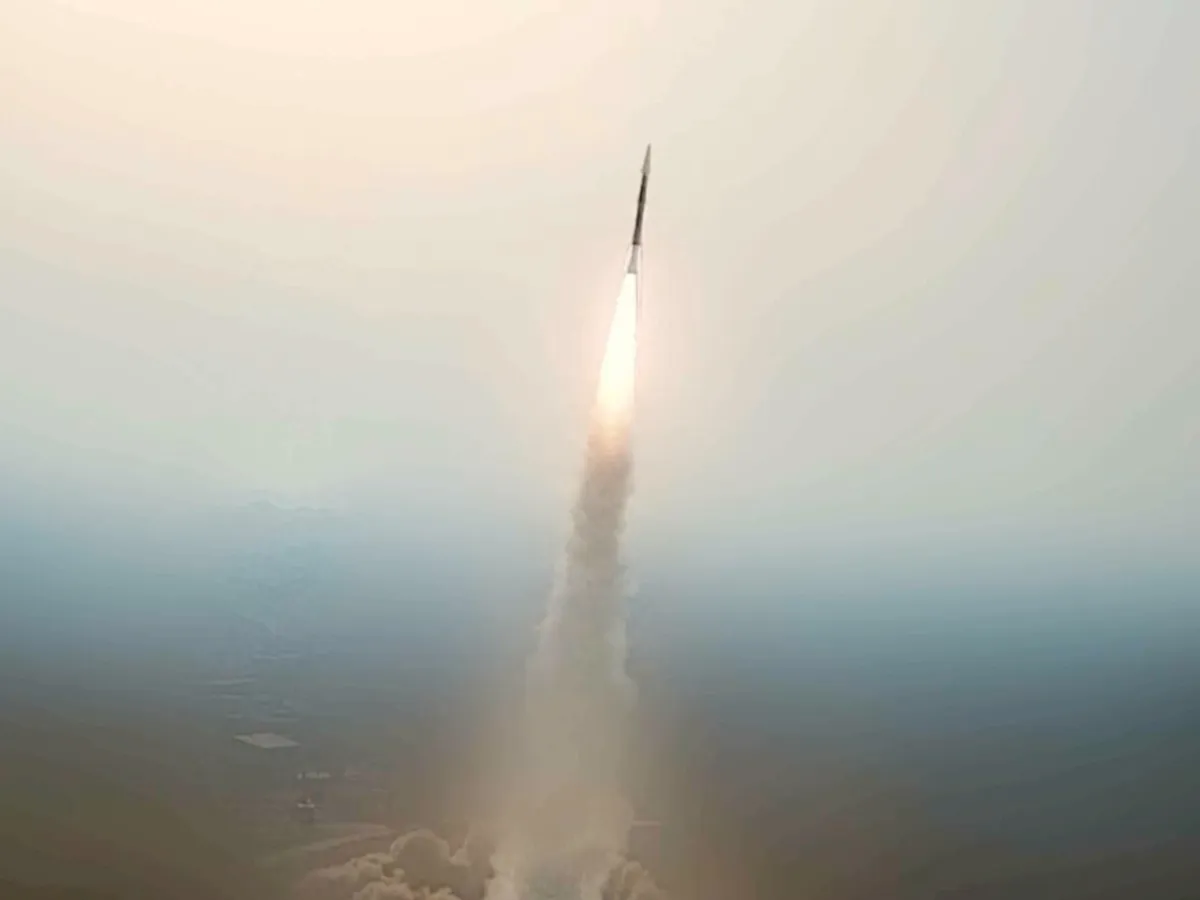
Al JazeeraFIG 01
Reading time
5min
Word count
1 145words
Sources cited
2cited
Entities identified
12entities
Quality score
100%
§ 01
Briefing Summary
AI-generatedNEWSAR · AI
Mediators are working to broker a truce between the US and Iran amidst escalating attacks that threaten a wider regional conflict. Qatar, Egypt, and Pakistan are reportedly involved in presenting a proposal to halt fighting for 10 days and revive a previous memorandum of understanding. This plan aims to reopen commercial shipping through the Strait of Hormuz, a key point of contention. However, recent escalations have seen strikes on civilian infrastructure and hardening public positions from both sides. Analysts warn that the window for diplomatic solutions may be closing as military events increasingly outpace negotiations, with both nations accusing each other of violating prior agreements.
Confidence 0.90Sources 2Claims 5Entities 12
§ 02
Article analysis
Model · rule-basedFraming
Diplomatic
Conflict
Tone
Mixed Tone
AI-assessed
CalmNeutralAlarmist
Factuality
0.60 / 1.00
Mixed
LowHigh
Sources cited
2
Limited
FewMany
§ 03
Key claims
5 extracted01
Tehran has received proposals conveyed through mediators, but the spokesperson declined to discuss details.
quoteEsmaeil Baghaei
Confidence
0.90
02
The US has widened its bombing campaign deeper into Iran, with President Donald Trump promising Iran will 'pay' after the killing of several US troops.
factualarticle
Confidence
0.90
03
Iran has stepped up attacks on shipping and targets across the region.
factualarticle
Confidence
0.80
04
Mediators are racing to secure a truce between the United States and Iran to interrupt a cycle of retaliation.
factualexperts
Confidence
0.80
05
Qatar, Egypt, Pakistan and other regional mediators presented a proposal to halt fighting for 10 days and revive an interim MoU.
factualAxios
Confidence
0.70
§ 04
Full report
5 min read · 1 145 words§ 05
Entities
12 identifiedKey playerOppositionContextPositiveNeutralNegative
Organizations1
Locations7
§ 06
Keywords & salience
10 termsus-iran relations
1.00
mediation
0.90
truce
0.80
regional conflict
0.70
strait of hormuz
0.60
diplomatic push
0.60
memorandum of understanding
0.50
escalation
0.50
civilian infrastructure
0.40
negotiations
0.40
§ 07
Topic connections
Interactive graph Network visualization showing 51 related topics
View Full Graph Person Organization Location Event|Click node to navigate|Edge numbers = shared articles