In lawsuit on Friday, two small businesses said latest round of tariffs on 60 countries needs to be legally justified.Two United States small businesses have challenged US President Donald Trump’s latest round of tariffs on goods from 60 trading partners, saying that the new policy, like most of Trump’s previous tariffs, went beyond the president’s authority to tax imports.The lawsuit, filed on Friday in the US trade court in New York, argues that the new tariffs require more detailed country-specific findings about “forced labor” to be legally justified.Recommended Stories list of 3 itemslist 1 of 3As oil soars, experts watch Red Sea tankers for clarity on Houthi blockadelist 2 of 3Indian student protests: What’s next after Modi’s promise on exam leaks?list 3 of 3Canada marks Gordie Howe bridge opening without US after trade war deepensend of listThe two small businesses, backed by a nonprofit legal group that successfully sued over previous rounds of tariffs, argued that the president is trying to re-impose tariffs that were already ruled illegal by the US Supreme Court.The Trump administration on Friday imposed new tariffs of 10 percent and 12.5 percent on 60 trading partners, including the European Union, over allegations that they were not doing enough to stop the export of goods produced with forced labour. The new tariffs took effect just as a temporary 10 perccent global tariff expired.Trump has made tariffs a central pillar of his foreign policy, using them as leverage to negotiate trade deals around the globe. But the US Supreme Court ruled against most of Trump’s widest-ranging tariffs on February 20, finding that the International Emergency Economic Powers Act (IEEPA) does not authorise the president to unilaterally impose tariffs on trading partners.Trump responded to that ruling by criticising the court and imposing a new and temporary 10 percent global tariff under different legal authority. Those tariffs, like IEEPA tariffs, were also imposed under a section of the law that no previous president had used to impose tariffs, and they were also ruled illegal by the US trade court. The Trump administration is appealing that ruling.
SRCAl Jazeera
LANGEN
LEANCenter
WORDS346
ENT10
FRI · 2026-07-24 · 20:49 GMTBRIEF NSR-2026-0724-95817
NSR-2026-0724-95817News Report·EN·Legal & Judicial
US small businesses challenge Trump’s new ‘forced labor’ tariffs
Two small U.S. businesses have filed a lawsuit challenging President Trump's latest tariffs on goods from 60 countries.
By ReutersAl JazeeraFiled 2026-07-24 · 20:49 GMTLean · CenterRead · 2 min
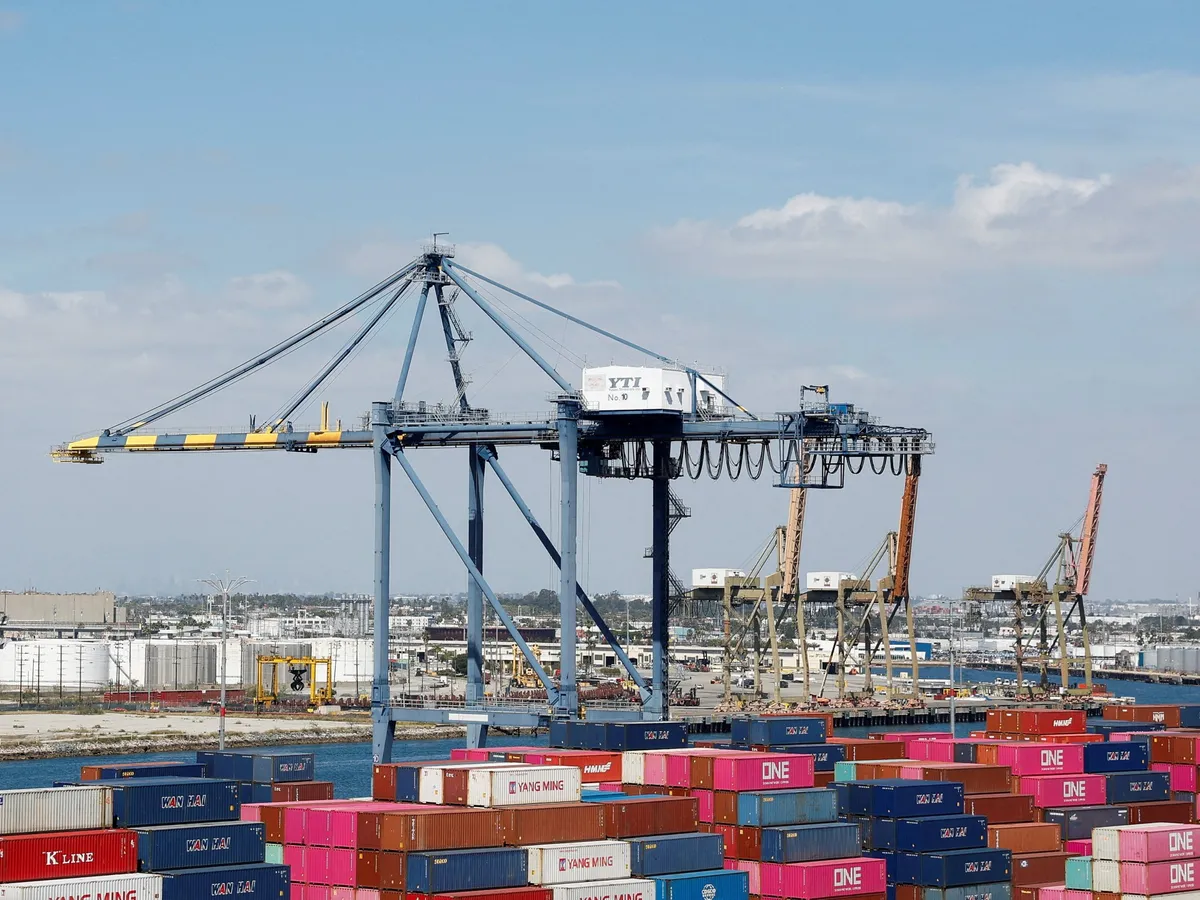
Al JazeeraFIG 01
Reading time
2min
Word count
346words
Sources cited
0cited
Entities identified
10entities
Quality score
100%
§ 01
Briefing Summary
AI-generatedNEWSAR · AI
Two small U.S. businesses have filed a lawsuit challenging President Trump's latest tariffs on goods from 60 countries. The lawsuit, filed in New York's U.S. trade court, argues that these new tariffs, imposed due to allegations of insufficient action against forced labor exports, require more specific country-based justifications to be legal. The businesses, supported by a legal nonprofit, contend that the administration is attempting to re-implement tariffs previously deemed illegal by the U.S. Supreme Court. The article states the Supreme Court ruled that the International Emergency Economic Powers Act does not grant the president unilateral authority to impose tariffs, a legal basis Trump has previously used. The administration is appealing a trade court ruling against a prior temporary global tariff imposed under different legal authority.
Confidence 0.90Claims 5Entities 10
§ 02
Article analysis
Model · rule-basedFraming
Legal & Judicial
Political Strategy
Tone
Measured
AI-assessed
CalmNeutralAlarmist
Factuality
0.80 / 1.00
Factual
LowHigh
Sources cited
0
No named sources
FewMany
§ 03
Key claims
5 extracted01
Trump responded to the Supreme Court ruling by criticizing the court and imposing a new, temporary global tariff under different legal authority.
factual
Confidence
1.00
02
The US Supreme Court ruled against most of Trump’s tariffs on February 20, finding the IEEPA does not authorize unilateral tariff imposition.
factual
Confidence
1.00
03
The Trump administration imposed new tariffs of 10% and 12.5% on 60 trading partners over allegations of not stopping exports produced with forced labor.
factual
Confidence
1.00
04
The lawsuit argues that the new tariffs require more detailed country-specific findings about 'forced labor' to be legally justified.
factual
Confidence
1.00
05
Two small businesses have challenged Trump’s new tariffs on goods from 60 countries, arguing they exceed presidential authority.
factual
Confidence
1.00
§ 04
Full report
2 min read · 346 words§ 05
Entities
10 identifiedKey playerOppositionContextPositiveNeutralNegative
Organizations4
§ 06
Keywords & salience
8 termsforced labor tariffs
1.00
trump administration
0.90
small businesses
0.80
legal challenge
0.70
presidential authority
0.60
trade policy
0.50
us supreme court
0.40
ieepa
0.40
§ 07
Topic connections
Interactive graph Network visualization showing 51 related topics
View Full Graph Person Organization Location Event|Click node to navigate|Edge numbers = shared articles