.jpg?width=300)
United States Constitution
Organization GovernmentThe US Constitution defines the structure and powers of the US government; its interpretation is frequently debated.
Mentions:8
7 Days:0
About
The United States Constitution is the foundational document of the US government, outlining its structure, powers, and the rights of citizens. It establishes a system of checks and balances between the legislative, executive, and judicial branches. The Constitution's interpretation and application are frequently debated, leading to legal challenges and political controversies. Recent news highlights concerns about potential overreach of executive power, particularly regarding elections and war powers. President Trump's executive orders related to mail-in voting and potential military action against Iran have sparked debate about their constitutionality and the balance of power between the branches of government. The Senate's rejection of war powers resolutions and ongoing legal battles over voter ID laws underscore the Constitution's continued relevance in shaping contemporary political discourse and legal challenges. The debate over nationalizing elections also raises questions about the balance of power between the federal government and individual states, as defined by the Constitution.
Last updated: July 28, 2026
Recent Coverage

Texas law banning drag shows where children may be present struck down again
A Kansas town will pay $850K to end a reporter’s lawsuit over a 2023 raid on her paper’s offices

Appointment of Muslim judge in tiny Mississippi town brings social media attacks

US federal judge blocks New York’s ban on ICE officers wearing masks
Judge rules New York can’t ban federal agents from wearing face coverings
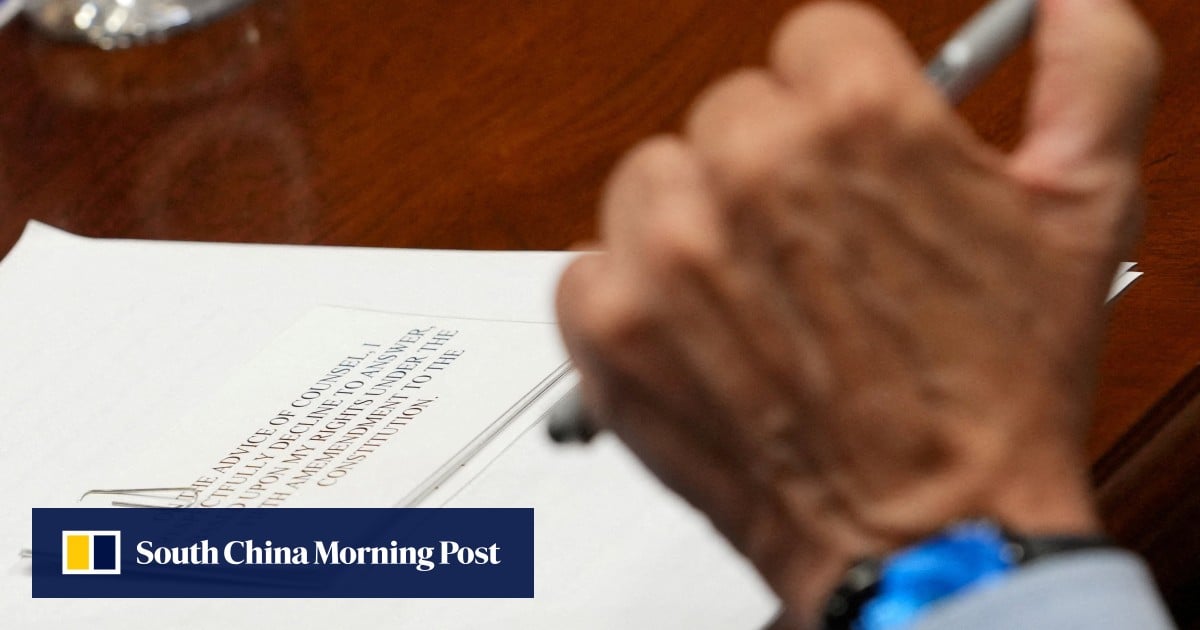
Fauci’s refusals put spotlight on ‘pleading the Fifth’ right in US
New York Times accuses agency of political retaliation in countersuit over discrimination case

US Supreme Court clears path for Texas to enforce app age verification law
