Meanwhile, Saudi Arabia, the UAE, Qatar and other oil and gas exporting countries in the region could gradually resume normal exports while Iran remained economically isolated.A limited conflict could change this landscape for Iran. Although Iran is paying a heavy military and economic price, disruption in the Strait of Hormuz and, through the Houthis, pressure around Bab al-Mandab continue to affect global shipping, insurance costs and energy markets. Even limited uncertainty forces governments, shipowners and importers to pay attention to Iran's demands.In effect, Tehran may believe it still possesses leverage.Iran also appears to be trying to reshape the diplomatic discussion. Rather than accepting unrestricted freedom of navigation, it has repeatedly signalled that shipping should operate under rules agreed with or administered by Iran. If that interpretation is correct, Tehran's objective may be that any future reopening of the Strait of Hormuz reflects Iranian influence rather than a return to the pre-war status quo. An ongoing, limited conflict would allow Iran to keep the pressure on to achieve this goal.From Tehran's perspective, keeping the crisis alive below the threshold of total war may therefore be preferable to accepting a ceasefire that leaves sanctions, the blockade and economic isolation largely unchanged.There may also be domestic calculations. Iran continues to face high very inflation rates, unemployment, economic hardship and public dissatisfaction. During periods of external conflict, governments often find it easier to suppress internal opposition, justify tighter security measures and rally support around national defence. That does not remove Iran's economic problems, but it may reduce the immediate political pressure created by them.Getty ImagesThe conflict with the US does not remove domestic pressures the country faces, but may reduce the immediate political pressure created by them.None of this means the strategy is without significant costs. Iran continues to absorb repeated military strikes, economic uncertainty, and there is no guarantee that the current balance can be sustained.
SRCBBC News - World
LANGEN
LEANCenter
WORDS313
ENT12
THU · 2026-07-30 · 17:26 GMTBRIEF NSR-2026-0730-97594
NSR-2026-0730-97594Analysis·EN·Political Strategy
Why limited war with the US may suit Iran better than peace
Iran may be pursuing a strategy of limited conflict with the US, believing it can maintain pressure and influence without escalating to all-out war. By disrupting shipping in the Strait of Hormuz and through Houthi actions, Iran aims to impact global energy markets and force attention to its demands.
50 minutes agoShareSaveAdd as preferred on GoogleAmir AzimiBBC Persian ServiceBBC News - WorldFiled 2026-07-30 · 17:26 GMTLean · CenterRead · 2 min
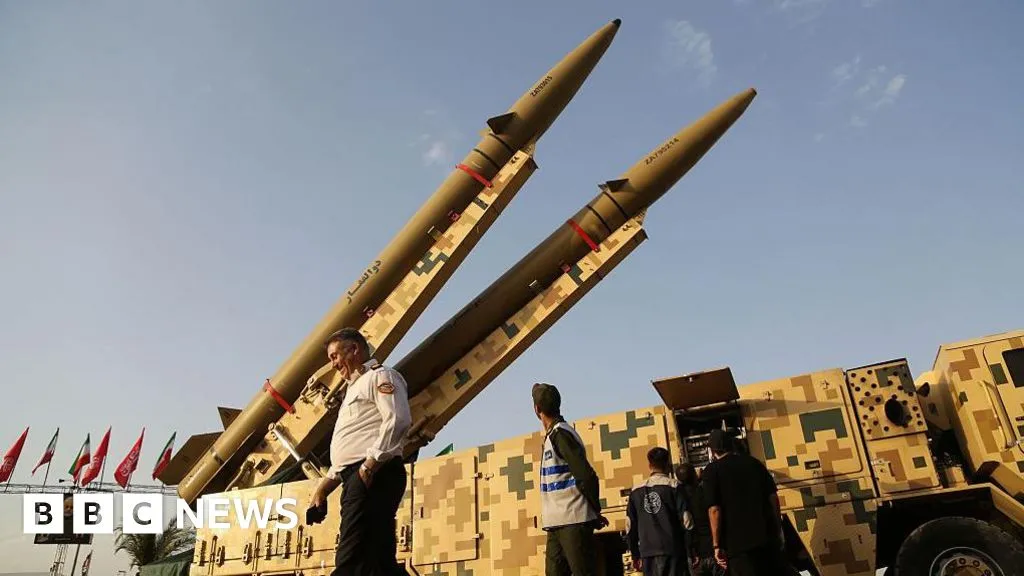
BBC News - WorldFIG 01
Reading time
2min
Word count
313words
Sources cited
0cited
Entities identified
12entities
Quality score
100%
§ 01
Briefing Summary
AI-generatedNEWSAR · AI
Iran may be pursuing a strategy of limited conflict with the US, believing it can maintain pressure and influence without escalating to all-out war. By disrupting shipping in the Strait of Hormuz and through Houthi actions, Iran aims to impact global energy markets and force attention to its demands. Tehran may also be seeking to reshape diplomatic discussions on freedom of navigation, aiming for future reopening of the Strait to reflect Iranian influence. This ongoing crisis, kept below the threshold of total war, could be seen as preferable to a ceasefire that leaves sanctions and economic isolation unchanged. Domestically, such external conflict might help the Iranian government suppress internal opposition and rally support around national defense, potentially reducing immediate political pressure from economic hardship. However, this strategy incurs significant costs for Iran, including military strikes and economic uncertainty.
Confidence 0.90Claims 5Entities 12
§ 02
Article analysis
Model · rule-basedFraming
Political Strategy
Economic Impact
Tone
Measured
AI-assessed
CalmNeutralAlarmist
Factuality
0.40 / 1.00
Mixed
LowHigh
Sources cited
0
No named sources
FewMany
§ 03
Key claims
5 extracted01
Disruptions in the Strait of Hormuz and around Bab al-Mandab by Iran and the Houthis affect global shipping, insurance costs, and energy markets, forcing attention to Iran's demands.
factual
Confidence
0.80
02
Keeping the crisis alive below the threshold of total war may be preferable for Iran to accepting a ceasefire that leaves sanctions and economic isolation largely unchanged.
factual
Confidence
0.70
03
Iran may be attempting to reshape diplomatic discussions by proposing that shipping operate under rules agreed with or administered by Iran, rather than unrestricted freedom of navigation.
factual
Confidence
0.70
04
A limited conflict could benefit Iran by altering the economic landscape, potentially allowing it to resume normal exports while other regional exporters remain isolated.
factual
Confidence
0.70
05
During periods of external conflict, governments may find it easier to suppress internal opposition and justify tighter security measures.
factual
Confidence
0.60
§ 04
Full report
2 min read · 313 words§ 05
Entities
12 identifiedKey playerOppositionContextPositiveNeutralNegative
Organizations1
Locations7
§ 06
Keywords & salience
10 termslimited war
1.00
economic isolation
0.90
strait of hormuz
0.80
energy markets
0.70
global shipping
0.70
freedom of navigation
0.60
diplomatic discussion
0.60
public dissatisfaction
0.50
domestic pressures
0.50
national defence
0.40
§ 07
Topic connections
Interactive graph Network visualization showing 51 related topics
View Full Graph Person Organization Location Event|Click node to navigate|Edge numbers = shared articles