Despite representing nearly half the world’s population, accounting for about a quarter of the world’s gross domestic product and covering more than 60 per cent of the Eurasian land mass, the role of the Shanghai Cooperation Organisation in the international arena remains relatively limited.While the SCO has long been a priority in China’s neighbourhood diplomacy, the grouping also serves as a platform through which all member states pursue their own foreign policy goals. What would it take for the SCO to become a more influential actor in global affairs?In preparation for the upcoming SCO leaders’ summit, scheduled for August 31-September 1 in Kyrgyzstan’s capital Bishkek, the foreign ministers of the organisation’s 10 members – China, Russia, Kazakhstan, Kyrgyzstan, Tajikistan, Uzbekistan, India, Pakistan, Iran and Belarus – met in the Kyrgyz resort city of Cholpon-Ata on July 24 and adopted a joint statement outlining shared positions on a range of regional and international issues. However, that does not necessarily mean the member nations hold identical views on the key geopolitical questions.
SRCSouth China Morning Post
LANGEN
LEANCenter-Right
WORDS170
ENT12
TUE · 2026-08-11 · 01:30 GMTBRIEF NSR-2026-0811-101049
NSR-2026-0811-101049Analysis·EN·Political Strategy
Can the SCO become a more influential force globally?
The Shanghai Cooperation Organisation (SCO), despite its significant global representation in population, GDP, and landmass, currently holds a limited international role. The organization serves as a platform for its ten member states – China, Russia, Kazakhstan, Kyrgyzstan, Tajikistan, Uzbekistan, India, Pakistan, Iran, and Belarus – to pursue individual foreign policy objectives, with China prioritizing it in its neighborhood diplomacy.
Nikola MikovicSouth China Morning PostFiled 2026-08-11 · 01:30 GMTLean · Center-RightRead · 1 min
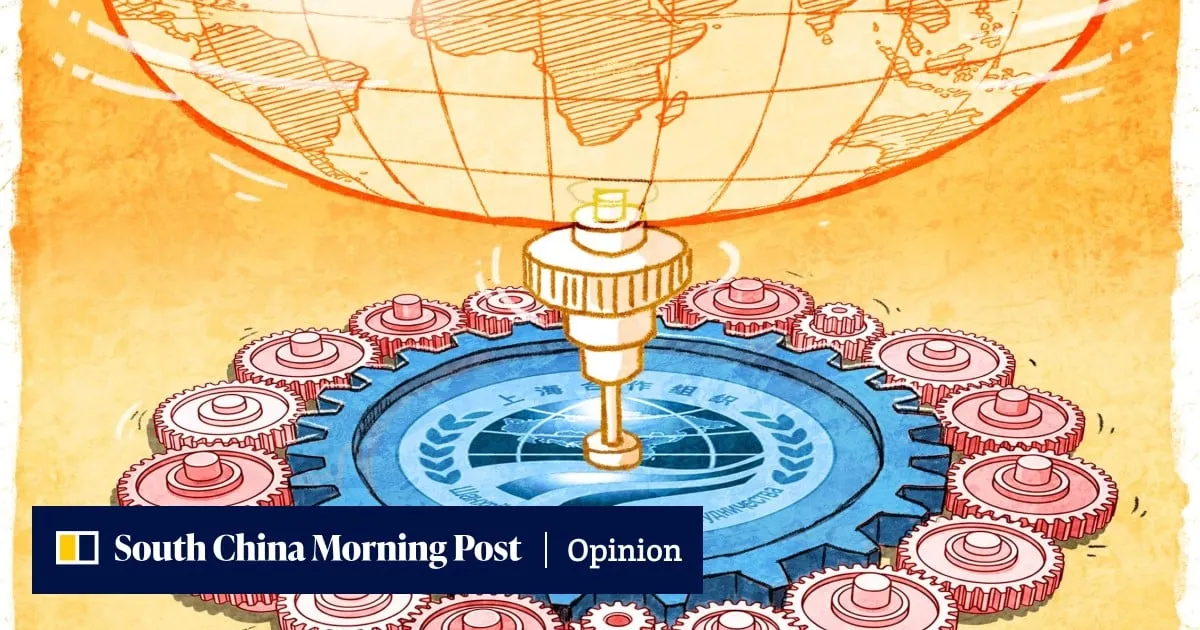
South China Morning PostFIG 01
Reading time
1min
Word count
170words
Sources cited
0cited
Entities identified
12entities
Quality score
100%
§ 01
Briefing Summary
AI-generatedNEWSAR · AI
The Shanghai Cooperation Organisation (SCO), despite its significant global representation in population, GDP, and landmass, currently holds a limited international role. The organization serves as a platform for its ten member states – China, Russia, Kazakhstan, Kyrgyzstan, Tajikistan, Uzbekistan, India, Pakistan, Iran, and Belarus – to pursue individual foreign policy objectives, with China prioritizing it in its neighborhood diplomacy. Ahead of the upcoming SCO leaders' summit in Bishkek, foreign ministers met in Cholpon-Ata on July 24, adopting a joint statement on shared regional and international positions. However, this does not indicate identical geopolitical views among member nations, raising questions about what is needed for the SCO to become a more influential global actor.
Confidence 0.90Claims 5Entities 12
§ 02
Article analysis
Model · rule-basedFraming
Political Strategy
Diplomatic
Tone
Measured
AI-assessed
CalmNeutralAlarmist
Factuality
0.70 / 1.00
Factual
LowHigh
Sources cited
0
No named sources
FewMany
§ 03
Key claims
5 extracted01
SCO foreign ministers met in Cholpon-Ata on July 24 and adopted a joint statement outlining shared positions.
factual
Confidence
1.00
02
The SCO represents nearly half the world's population, accounts for about a quarter of the world's GDP, and covers over 60% of the Eurasian landmass.
statistic
Confidence
1.00
03
The SCO serves as a platform for member states to pursue their own foreign policy goals.
factual
Confidence
0.95
04
Member nations do not necessarily hold identical views on key geopolitical questions.
factual
Confidence
0.90
05
The role of the Shanghai Cooperation Organisation in the international arena remains relatively limited.
factual
Confidence
0.90
§ 04
Full report
1 min read · 170 words§ 05
Entities
12 identifiedKey playerOppositionContextPositiveNeutralNegative
§ 06
Keywords & salience
8 termsshanghai cooperation organisation
1.00
global influence
0.90
geopolitical questions
0.70
foreign policy goals
0.60
leaders' summit
0.50
neighbourhood diplomacy
0.50
eurasian land mass
0.40
joint statement
0.40
§ 07
Topic connections
Interactive graph Network visualization showing 5 related topics
View Full Graph Person Organization Location Event|Click node to navigate|Edge numbers = shared articles