7 hours agoHugo BachegaMiddle East correspondent, BeirutAFP via Getty ImagesAn Israeli artillery gun fires towards southern Lebanon, from northern Israel, on 20 MarchThe Israeli military says plans for the expansion of ground and air attacks against the Lebanese armed group Hezbollah have been approved, amid fears in Lebanon that Israel is preparing a large-scale ground invasion of the country.Israel has intensified its campaign against Hezbollah, an Iranian-backed militia and political party, after the group fired rockets into Israel earlier this month amid the war between the US and Israel against Iran.Since then, more than 1,000 people have been killed in Lebanon, according to the Lebanese health ministry, including at least 118 children and 40 health workers. More than a million people have been displaced, which could lead to a major humanitarian crisis.Israeli officials say the aim is to protect communities in northern Israel from Hezbollah attacks. On Sunday, the Israeli military said the chief of the general staff, Lt Gen Eyal Zamir, had approved plans "to advance the targeted ground operations and strikes" against Hezbollah, and that this would be a "prolonged operation".This followed a statement by the defence minister, Israel-katz" class="entity-link entity-person" data-entity-id="4249" data-entity-type="person">Israel Katz, who said Israeli forces had been instructed to destroy the crossings over the Litani River that were being used by Hezbollah to send reinforcements. An Israeli air strike then damaged the Qasmiye bridge on one of the main routes linking the south to central Lebanon, near the coastal city of Tyre.The river is about 30km (19 miles) from the Lebanon-Israel border, and the bridges are also used by civilians. In Lebanon, many worry that Israel is planning to isolate the south – the heartland of the Shia community and of Hezbollah – from the rest of the country ahead of an operation to occupy some areas and create a so-called buffer zone.Lebanon's President Joseph Aoun said the Israeli strikes were a "prelude to a ground invasion" amounting to a "policy of collective punishment against civilians", and that they could be part of "suspicious schemes" to pursue an expansion of Israel's presence in Lebanese territory.BBC's Middle East correspondent Hugo Bachega looks into Israel's targeting bridges in LebanonKatz also said Israeli forces had been ordered to demolish homes in Lebanese villages along the border to neutralise threats to Israeli communities. He said the method would follow the one used in the war against Hamas in Gaza, where the Israeli military destroyed buildings and forced the evacuation of areas to create security zones inside the territory.The war in Gaza was triggered by the Hamas-led attack on southern Israel on 7 October 2023, in which about 1,200 people were killed and 251 others taken hostage. Israel's military campaign in response killed more than 71,000 people, according to Gaza's health ministry. And the Israeli military has continued to carry out attacks there despite a ceasefire that came into force five months ago.The latest escalation in the decades-long conflict between Hezbollah and Israel started when the group fired rockets into Israel in retaliation for the killing of the Iranian supreme leader, Ayatollah Ali Khamenei, and in response to near-daily Israeli attacks on Lebanon despite a ceasefire that had been agreed on November 2024.Lebanon's government has vowed to disarm Hezbollah, which was created in the 1980s in response to Israel's occupation of Lebanon during the 15-year Lebanese civil war. But, so far, the group has refused to discuss the future of its weapons. President Aoun, a former army chief, had ruled out using force, warning that this could exacerbate sectarian divisions and lead to violence.More on Lebanon
SRCBBC News - World
LANGEN
LEANCenter
WORDS592
ENT10
SUN · 2026-03-22 · 20:23 GMTBRIEF NSR-2026-0322-29595
NSR-2026-0322-29595News Report·EN·Conflict
Israel to expand ground and air attacks against Hezbollah in Lebanon
Israel has approved plans to expand ground and air attacks against Hezbollah in Lebanon, citing the need to protect northern Israeli communities from Hezbollah attacks. This escalation follows intensified Israeli campaigns against the Iranian-backed group after rockets were fired into Israel earlier this month.
BBC News - WorldFiled 2026-03-22 · 20:23 GMTLean · CenterRead · 3 min
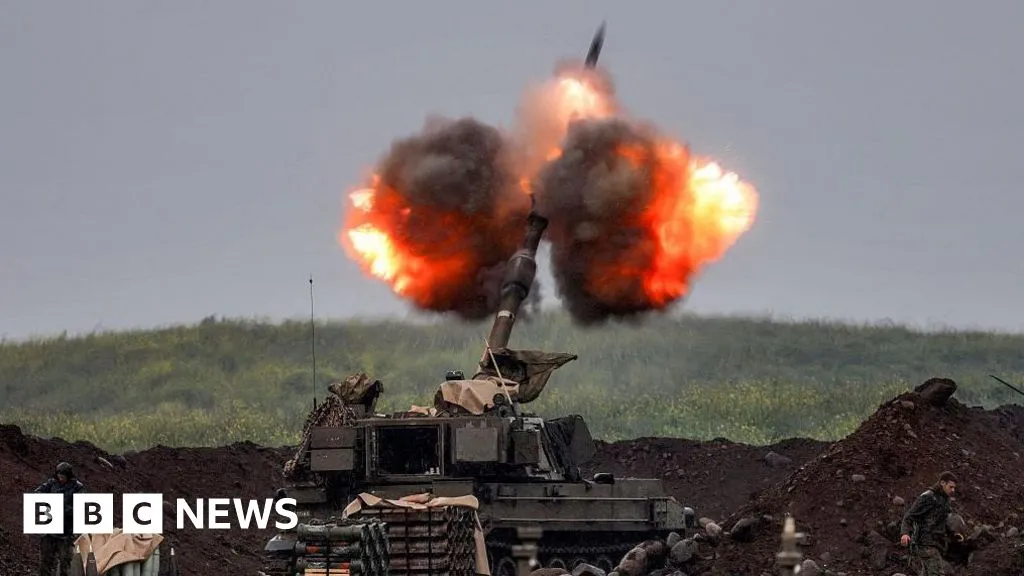
BBC News - WorldFIG 01
Reading time
3min
Word count
592words
Sources cited
6cited
Entities identified
10entities
Quality score
100%
§ 01
Briefing Summary
AI-generatedNEWSAR · AI
Israel has approved plans to expand ground and air attacks against Hezbollah in Lebanon, citing the need to protect northern Israeli communities from Hezbollah attacks. This escalation follows intensified Israeli campaigns against the Iranian-backed group after rockets were fired into Israel earlier this month. The Israeli military says the chief of the general staff has approved plans to advance targeted ground operations and strikes against Hezbollah. Israeli forces have also been instructed to destroy crossings over the Litani River used by Hezbollah, including the Qasmiye bridge, raising concerns in Lebanon about a potential large-scale ground invasion and the creation of a buffer zone. The conflict has already resulted in over 1,000 deaths in Lebanon and displaced over a million people, leading to fears of a humanitarian crisis.
Confidence 0.90Sources 6Claims 5Entities 10
§ 02
Article analysis
Model · rule-basedFraming
Conflict
National Security
Tone
Mixed Tone
AI-assessed
CalmNeutralAlarmist
Factuality
0.80 / 1.00
Factual
LowHigh
Sources cited
6
Well sourced
FewMany
§ 03
Key claims
5 extracted01
The Israeli strikes were a "prelude to a ground invasion" amounting to a "policy of collective punishment against civilians".
quoteLebanon's President Joseph Aoun
Confidence
1.00
02
Israeli forces had been instructed to destroy the crossings over the Litani river.
factualIsrael Katz, defence minister
Confidence
1.00
03
Israeli military says plans for expanded ground and air attacks against Hezbollah have been approved.
factualIsraeli military
Confidence
1.00
04
More than a million people have been displaced in Lebanon.
statisticnull
Confidence
0.90
05
More than 1,000 people have been killed in Lebanon, including at least 118 children and 40 health workers.
statisticLebanese health ministry
Confidence
0.90
§ 04
Full report
3 min read · 592 words§ 05
Entities
10 identifiedKey playerOppositionContextPositiveNeutralNegative
§ 06
Keywords & salience
9 termshezbollah
1.00
israel
1.00
lebanon
0.90
ground invasion
0.80
air attacks
0.70
military operation
0.60
humanitarian crisis
0.50
litani river
0.50
buffer zone
0.40
§ 07
Topic connections
Interactive graph Network visualization showing 51 related topics
View Full Graph Person Organization Location Event|Click node to navigate|Edge numbers = shared articles